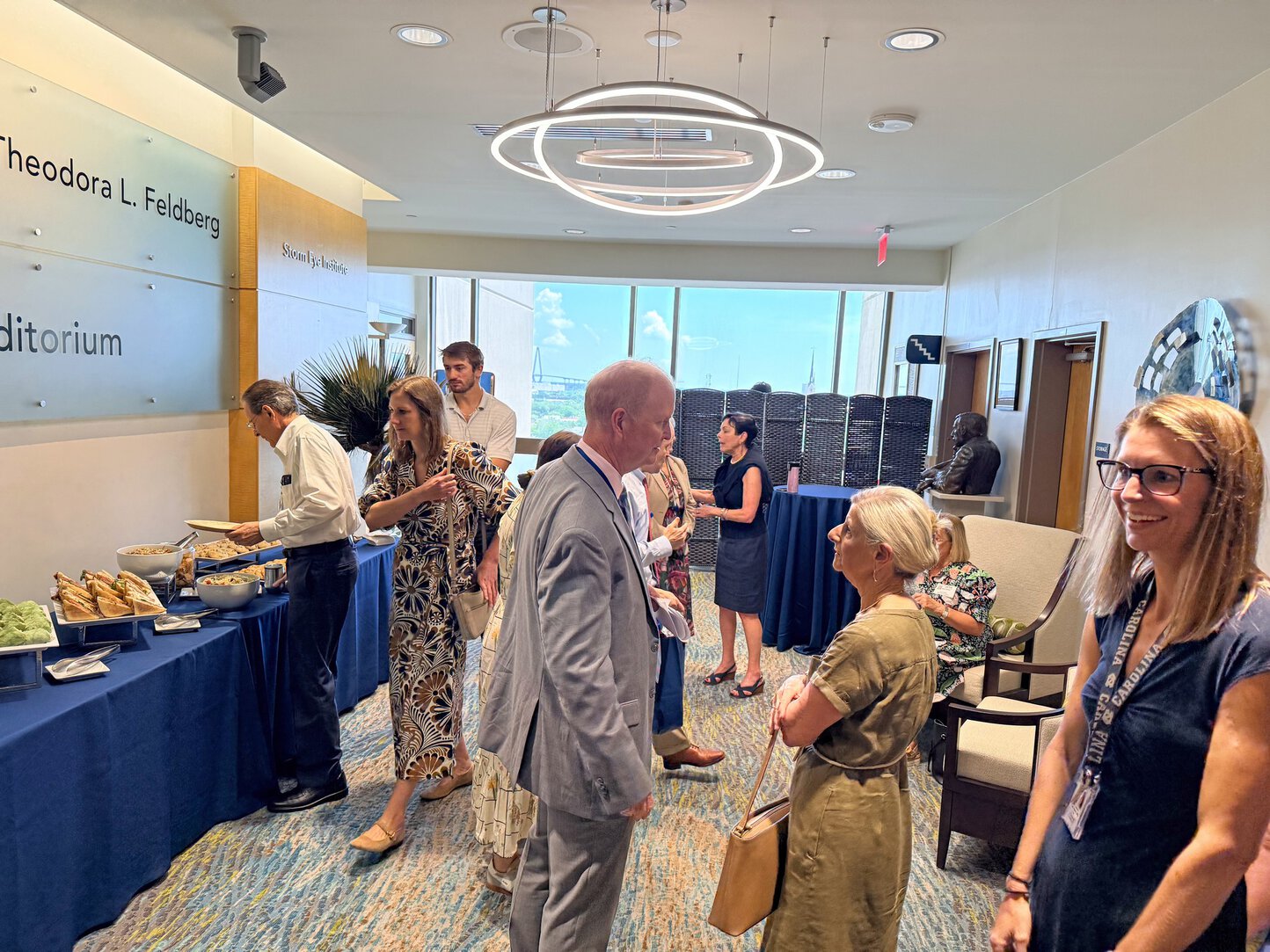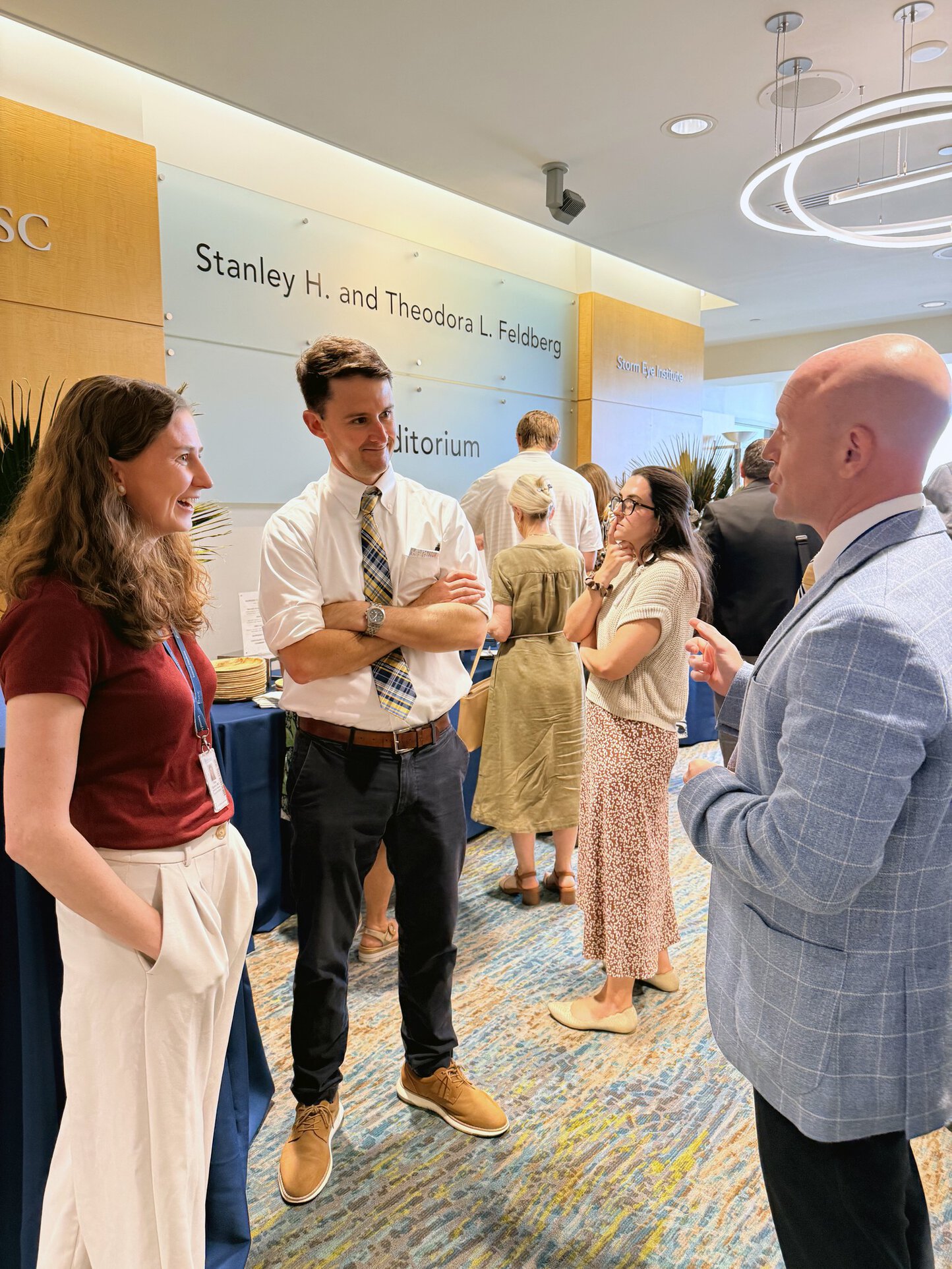

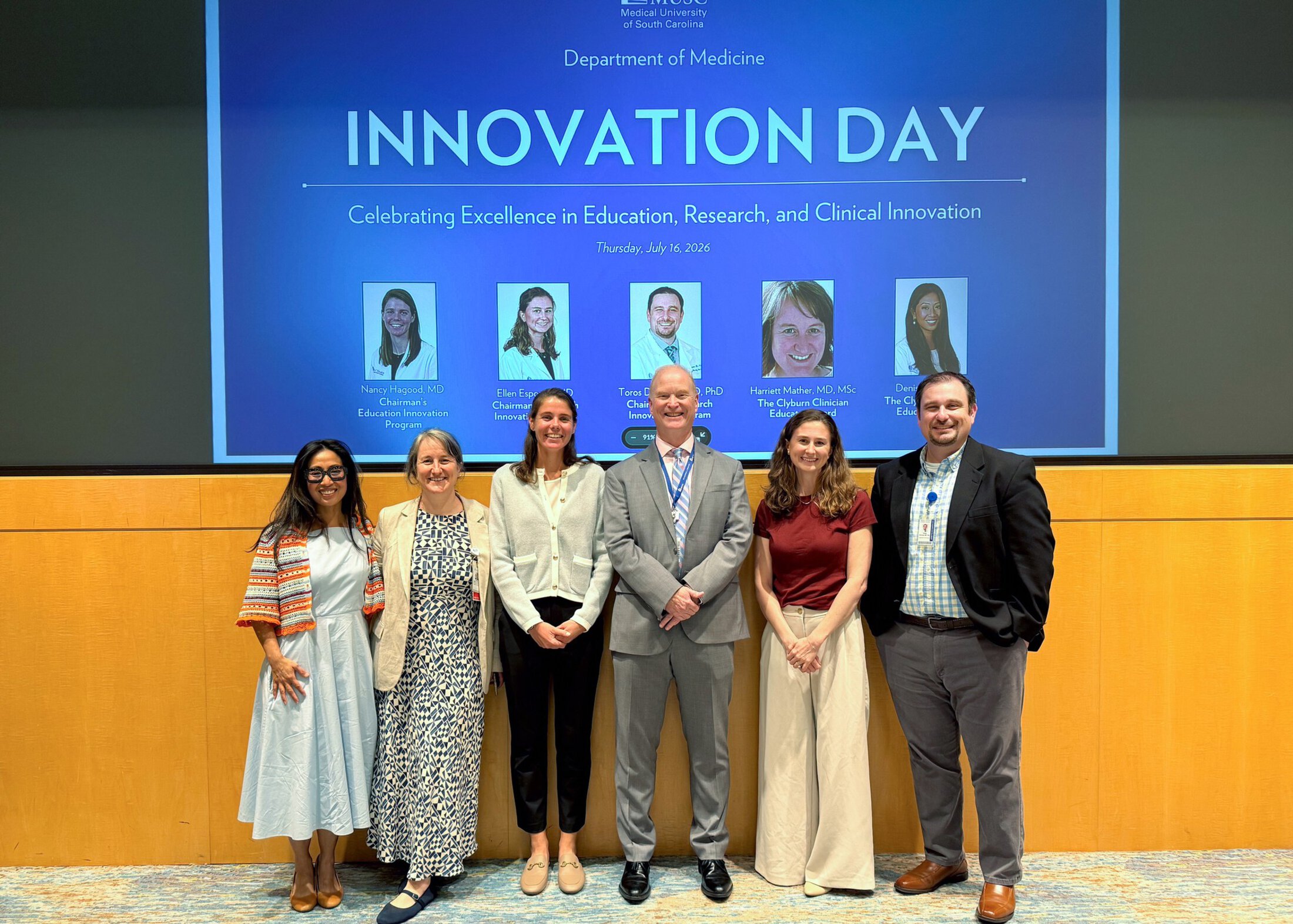
On Thursday, July 16, the MUSC Department of Medicine celebrated its inaugural Innovation Day, showcasing innovative projects that are advancing medical education, accelerating research and improving patient care. Launched in 2025 under the leadership of Ben Clyburn, M.D., Chair of the Department of Medicine, this department-wide initiative was created to invest in the people and ideas driving the future of academic medicine. Supported through departmental resources and philanthropic contributions, these programs provide faculty with opportunities to pursue innovative research, transform medical education and strengthen clinical teaching.
"One of our greatest responsibilities as an academic medical center is to create an environment where great ideas can flourish," said Clyburn. "By investing in our faculty, we're not only supporting innovative research and education today—we're building the foundation for the discoveries, physicians and models of care that will shape the future of medicine."
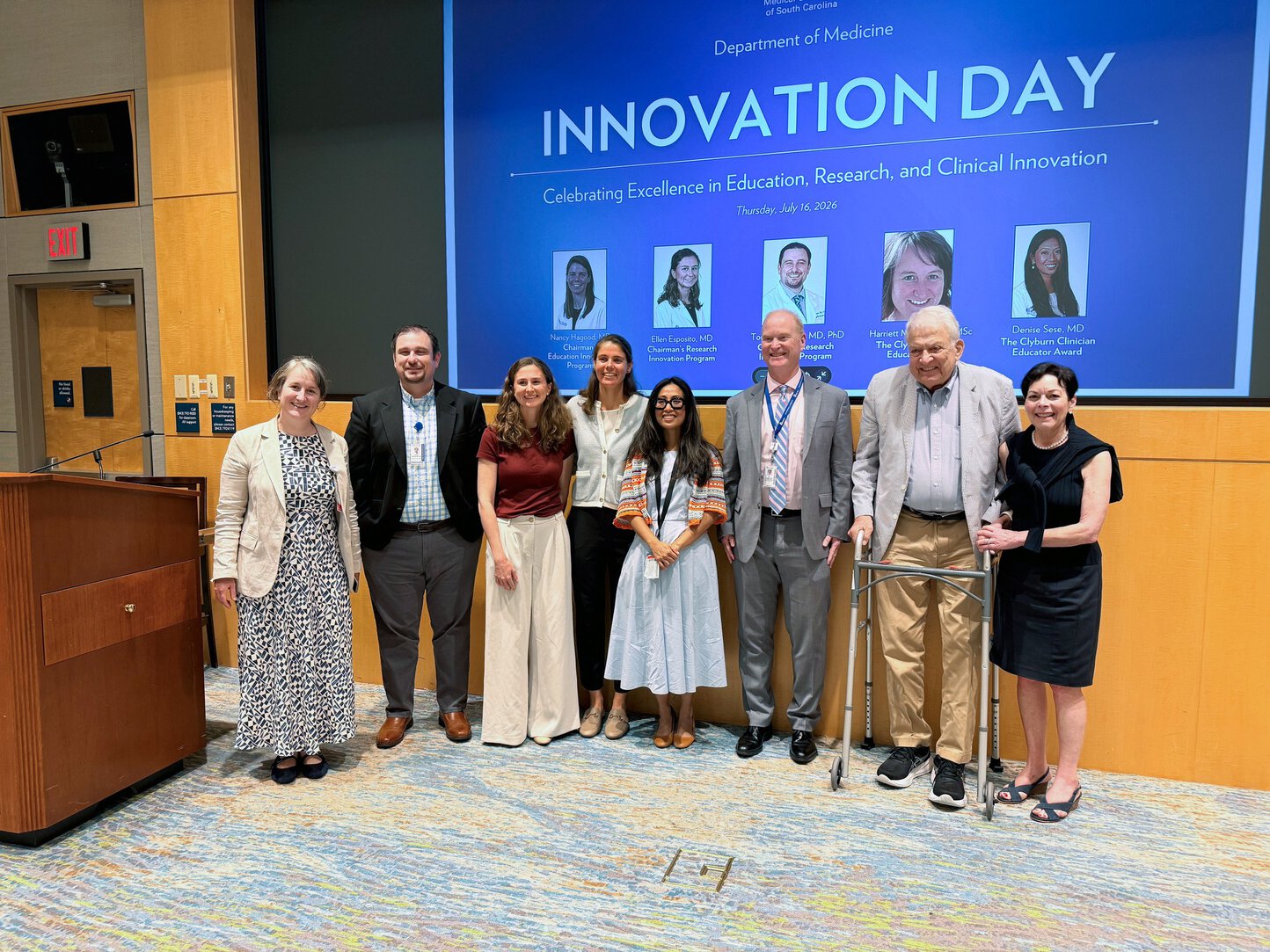
Innovation Day gave award recipients the opportunity to share how this support is helping turn innovative ideas into meaningful advances across education, research and patient care. The event recognized recipients of the Chairman's Education Innovation Program, Chairman's Research Innovation Program and the Ben Clyburn, M.D., Clinician Educator Award.
The Chairman's Education Innovation Program supports educational projects that introduce new curricula, innovative teaching and mentoring approaches, and meaningful evaluation of educational outcomes.
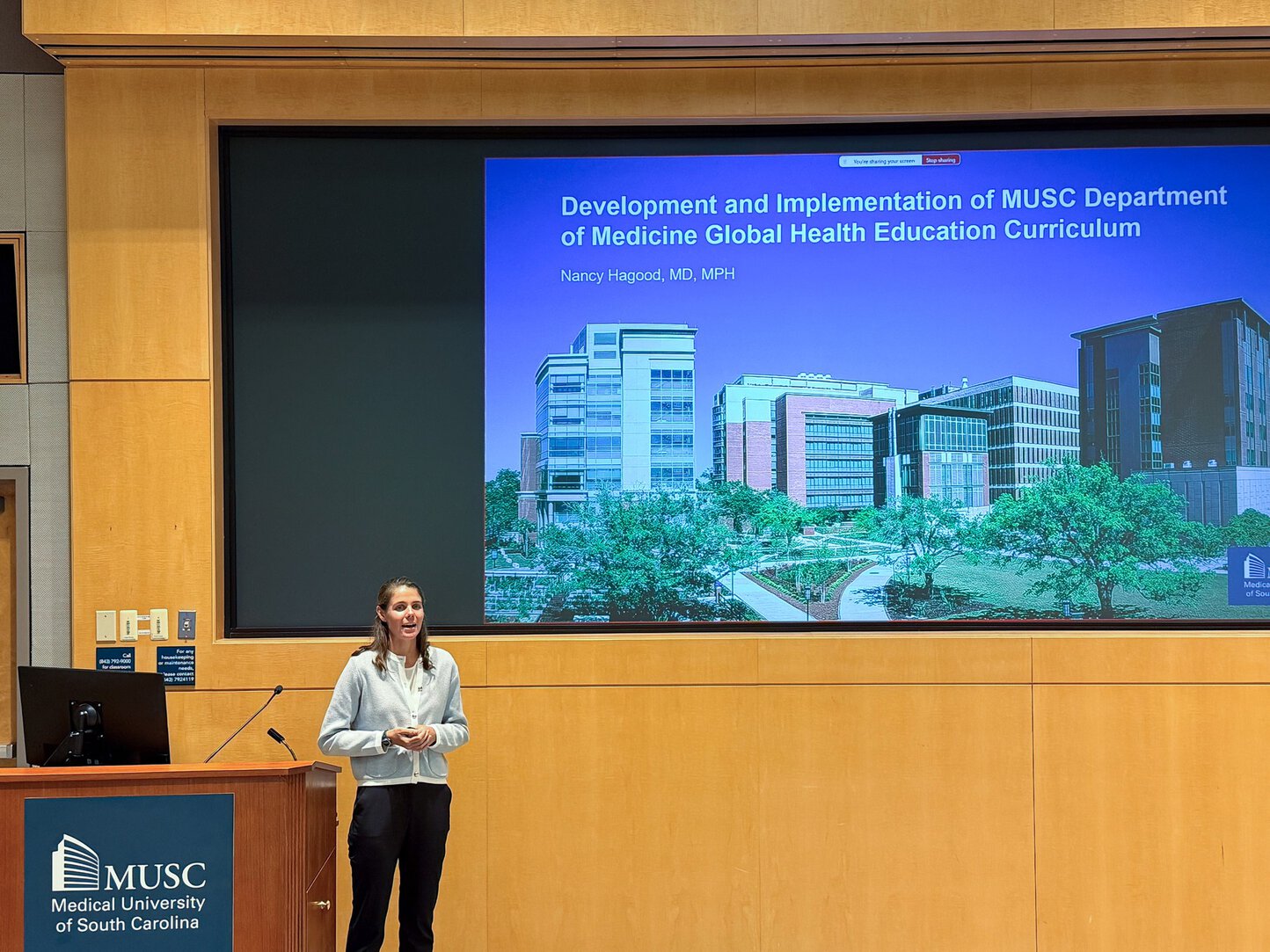
Nancy Hagood, M.D., MPH, assistant professor in the Division of Hospital Medicine and director of Global Health Education in the College of Medicine, received the award for developing a longitudinal global health education curriculum for Department of Medicine trainees. Through a partnership with Muhimbili National Hospital in Tanzania, the program provides residents with immersive global health experiences while strengthening international educational collaborations. Early participants reported improvements in clinical reasoning, cultural awareness and preparedness to care for patients in resource-limited settings. The program is expected to strengthen recruitment and expand opportunities across additional subspecialty training programs.
The Chairman's Research Innovation Program provides seed funding for research projects with the potential to generate preliminary data, accelerate scientific discovery and position investigators for future external funding.
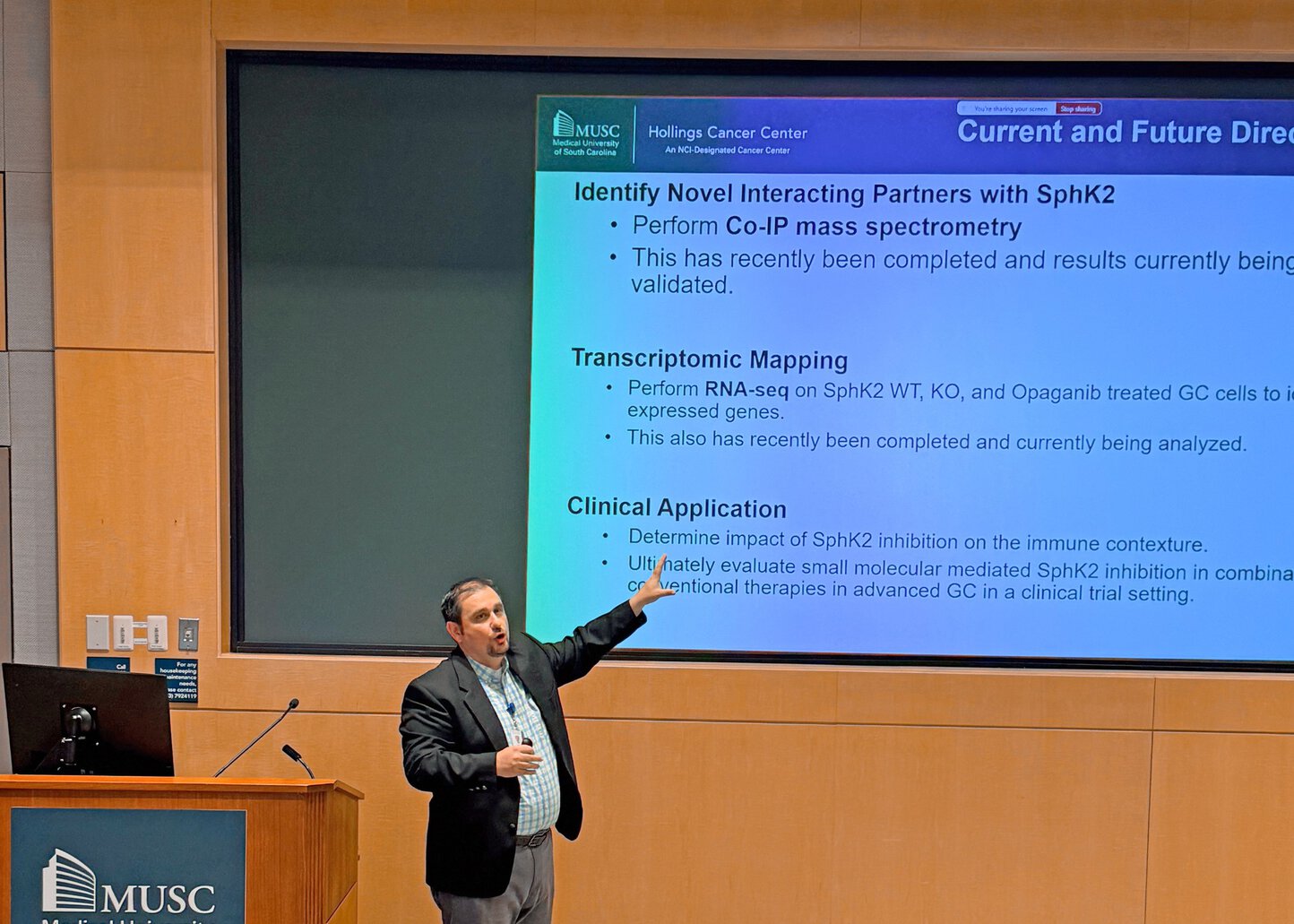
Toros Dincman, M.D., Ph.D., assistant professor in the Division of Hematology & Oncology, highlighted research investigating sphingosine kinase 2 (SphK2) as a potential therapeutic target in gastric cancer. Early findings are laying the groundwork for future preclinical studies and, ultimately, clinical trials that could expand treatment options for patients.
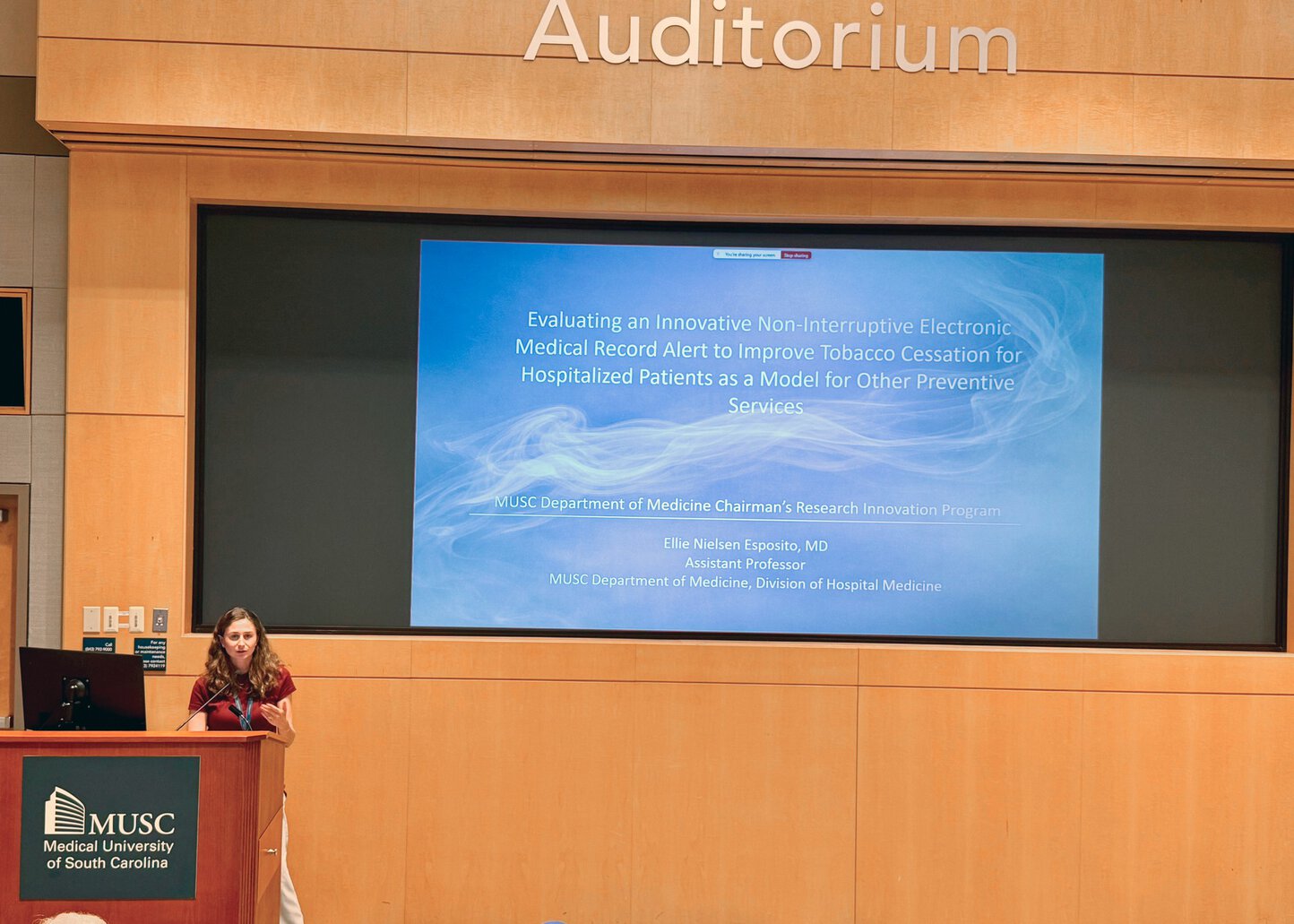
Ellen Esposito, M.D., assistant professor in the Division of Hospital Medicine, presented an innovative electronic medical record alert designed to improve tobacco cessation treatment for hospitalized patients. By integrating a non-interruptive workflow into the medical record, the initiative helps clinicians identify patients with tobacco use disorder and connect them with evidence-based treatment without contributing to alert fatigue.
The Ben Clyburn, M.D., Clinician Educator Award recognizes faculty who are advancing excellence in clinical education through innovative teaching initiatives.
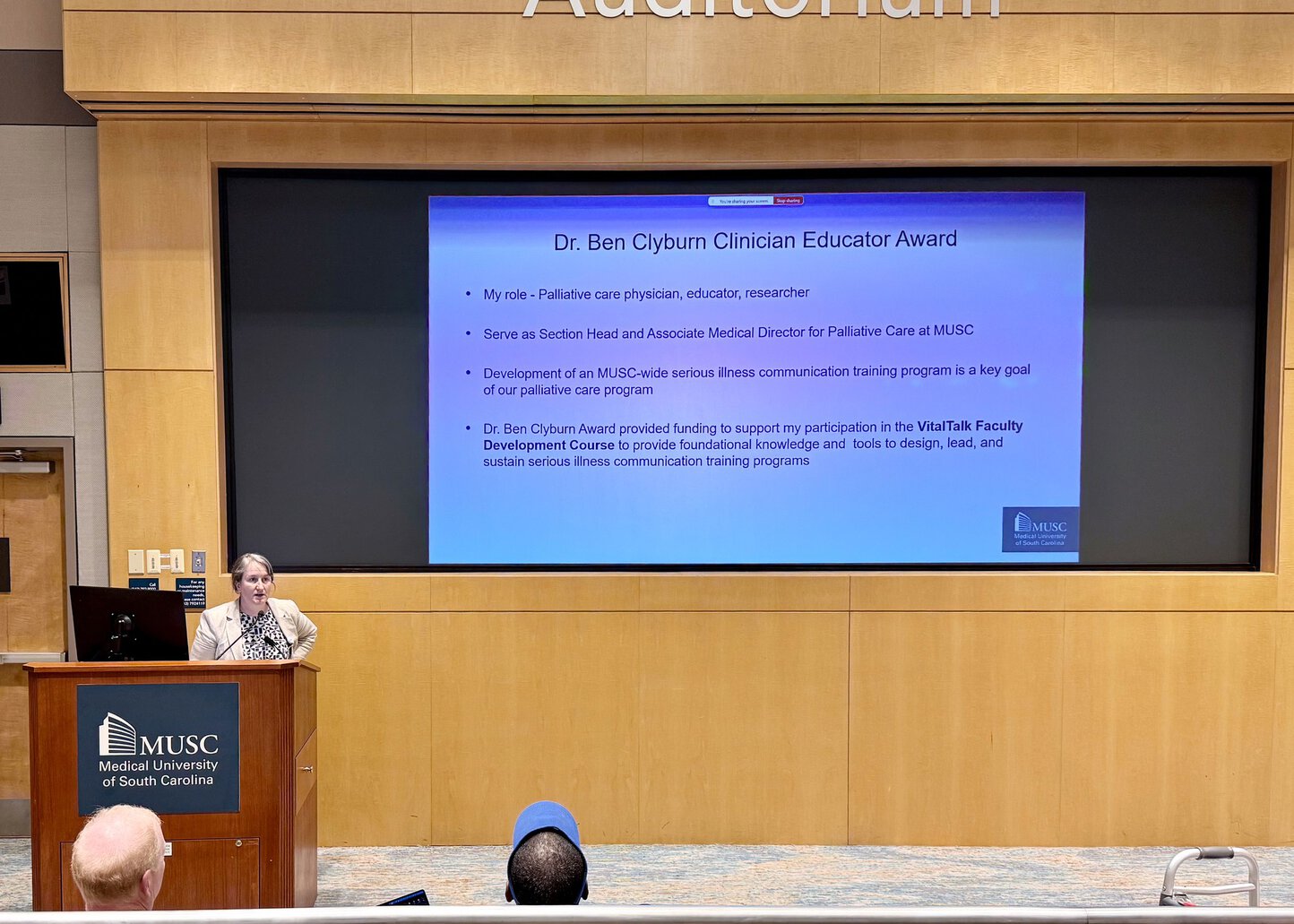
Harriet Mather, M.D., MSc, associate professor in the Division of General Internal Medicine, Geriatrics, and Palliative Care and section head of Palliative Care, described a serious illness communication training program for physicians across MUSC. Supported by the award, she completed advanced faculty training through the nationally recognized VitalTalk program and is developing a curriculum to help clinicians navigate difficult conversations with patients and families facing serious illnesses.
Denise Sese, M.D., assistant professor in the Division of Pulmonary, Critical Care, Allergy & Sleep Medicine, presented a communication training program for pulmonary and critical care fellows caring for patients with pulmonary arterial hypertension. The curriculum equips physicians with practical skills for discussing goals of care and responding compassionately to patients' emotional needs, with plans to expand the training to additional faculty and advanced practice providers.
With support from the award, Sese also completed advanced she completed advanced faculty training through the nationally recognized VitalTalk program to develop a serious illness conversations curriculum for patients with advanced lung disease - with special attention to patients with pulmonary hypertension. This is in conjunction with a larger project that involves specialist palliative care and primary palliative care delivered by pulmonologists or pallipulm which aims to address current barriers to palliative care.
Together, the presentations reflected the breadth of innovation taking place across the Department of Medicine—from global health education and cancer research to tobacco cessation and serious illness communication. While each project addressed a different challenge, they all demonstrated how investing in faculty innovation can lead to meaningful advances in education, research and patient care.
The event also underscored the collaborative spirit that defines the department, as many recipients recognized the colleagues, trainees, research staff and clinical teams whose partnership helped bring these ideas to life.
Innovation Day celebrated not only the accomplishments of this year's award recipients but also the Department of Medicine's ongoing commitment to fostering innovation. Through continued investment in faculty—and with the support of departmental resources and philanthropic partners—the department is creating opportunities for bold ideas to become meaningful advances that will benefit learners, patients and communities for years to come.
2026 Innovation Day