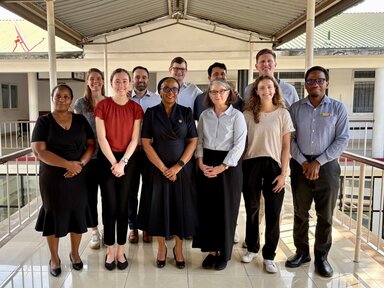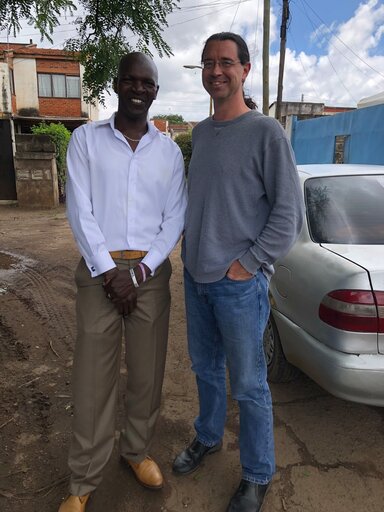

Adrianna Soucy, a MUSC Emergency Medicine Department resident, was awarded a Center for Global Health Student & Trainee Travel Grant to pursue a global health project in St. Croix. Continue reading to learn more about the experience abroad. Click here to view more photos on Flickr.
My month-long rotation in the Emergency Department at Juan F. Luis Hospital in St. Croix was a transformative experience that significantly expanded both my clinical perspective and my understanding of healthcare delivery in resource-limited settings. Returning to my training at the Medical University of South Carolina, I found myself reflecting not only on the differences between these environments but also on the profound impact this experience has had on my future goals as a physician. Most importantly, it strengthened my commitment to pursuing global health and caring for underserved populations both domestically and internationally.
Working in St. Croix provided a unique opportunity to compare clinical practice in a resource-constrained hospital with that of a large academic medical center. At MUSC, access to specialists, advanced diagnostics, and extensive support services is often readily available. Consultants can be reached quickly, and a broad range of laboratory and imaging studies can be obtained with minimal delay to guide clinical decision-making. In contrast, Juan F. Luis Hospital operates within significant resource limitations that require providers to adapt their approach to patient care daily.
As the only hospital serving the island, Juan F. Luis Hospital faces unique challenges, including limited specialty coverage, periodic shortages of laboratory tests and medications, and geographic barriers that complicate transfers to escalate to a higher level of care. These constraints required clinicians to rely heavily on careful history-taking, thorough physical examinations, and thoughtful clinical reasoning. Observing and participating in this model of care strengthened my diagnostic skills while reinforcing the importance of resource stewardship, adaptability, and clinical judgment.
Photos from Dr. Soucy's trip to St. Croix

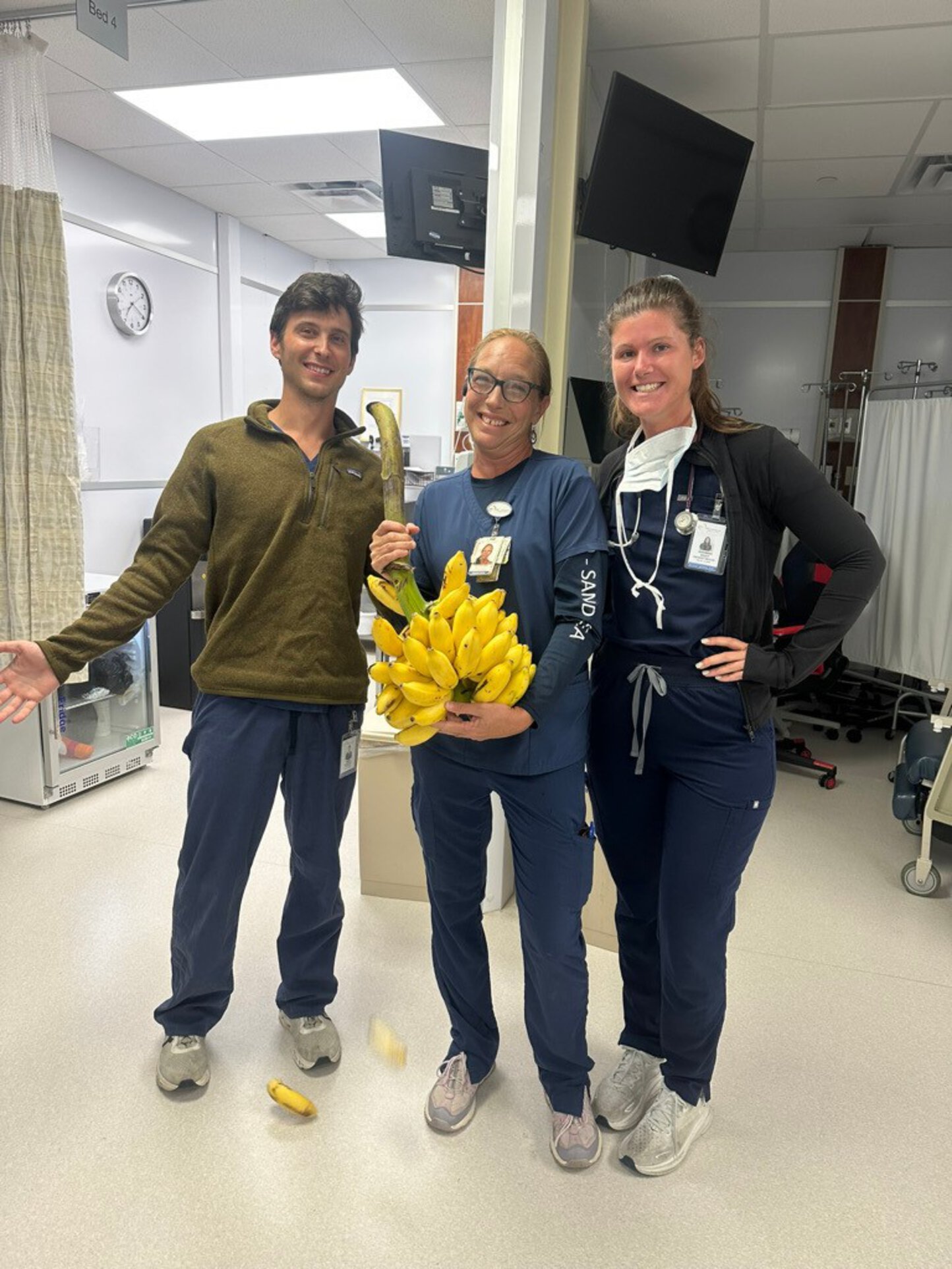
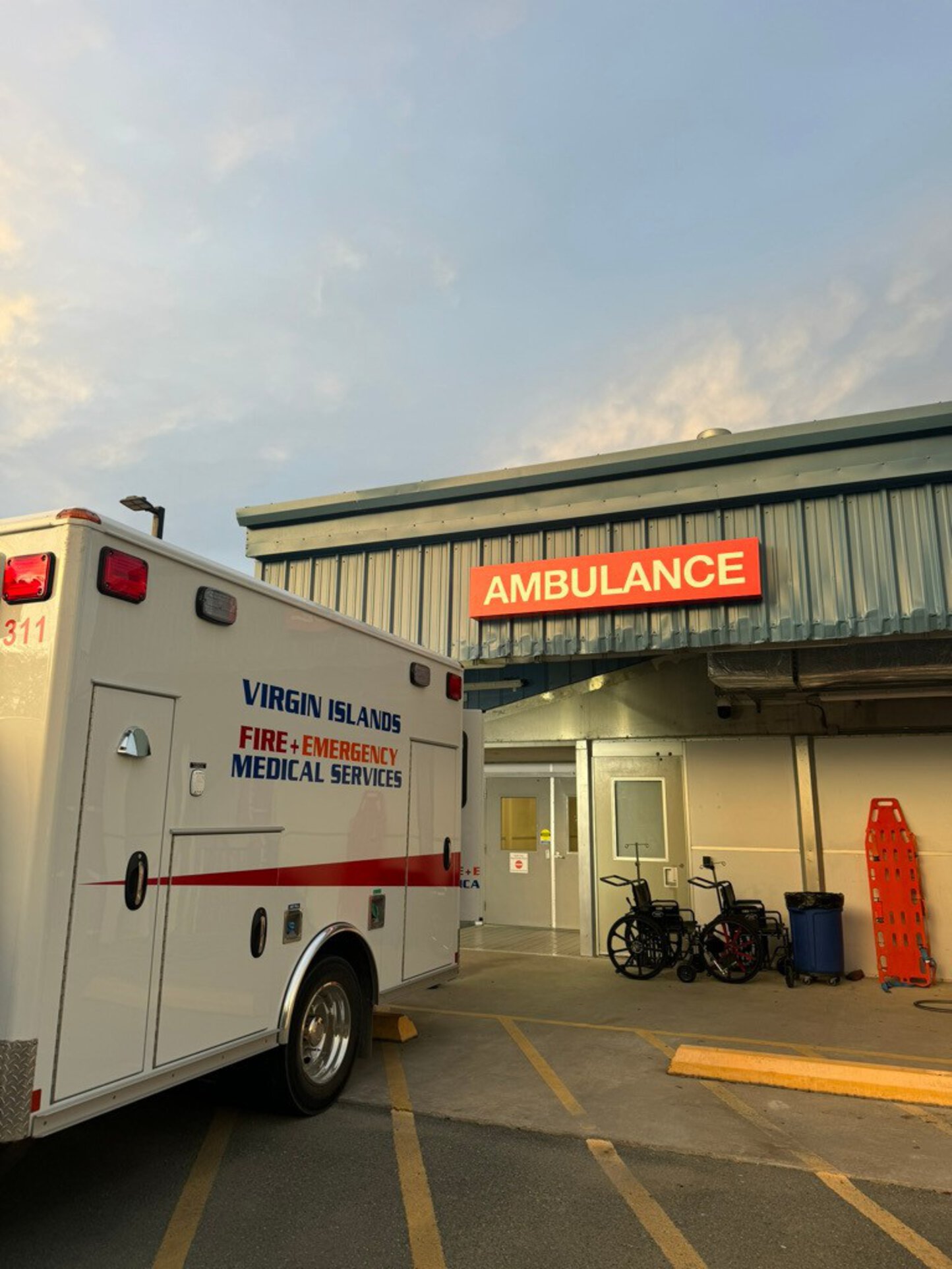
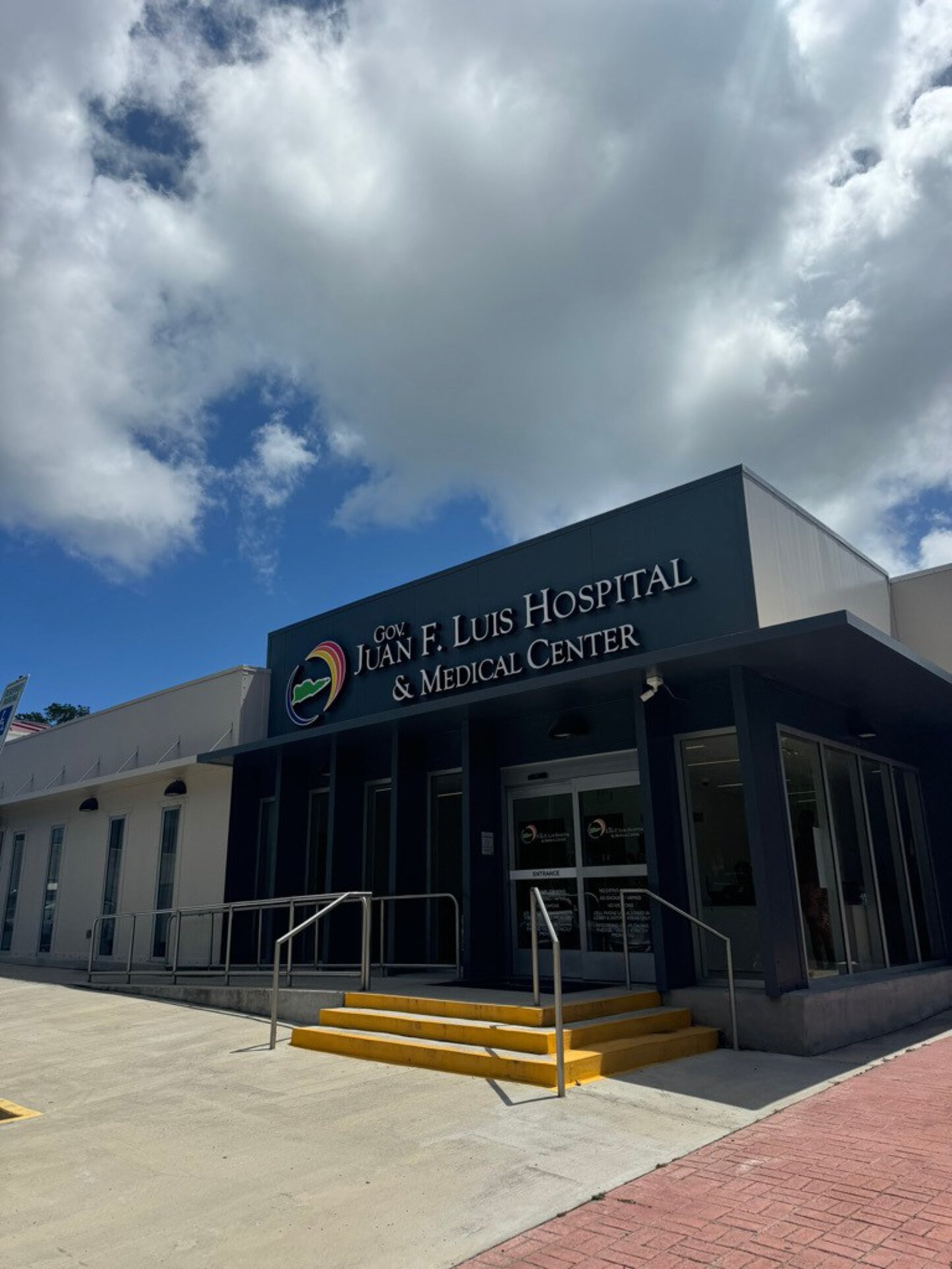
One of the most meaningful outcomes of this experience was the growth of my confidence and critical thinking as a developing physician. Rather than depending primarily on diagnostic testing or immediate specialist consultation, I learned to approach patient care with greater intentionality and creativity. I witnessed firsthand how providers successfully delivered high-quality care despite limited resources, often finding alternative strategies to address patient needs. This experience challenged me to think differently, become more flexible in my decision-making, and develop a deeper appreciation for the fundamental principles of medicine.
Beyond its clinical impact, this rotation further broadened my understanding of health disparities and the realities faced by healthcare providers and patients around the world. It served as a powerful reminder that many communities do not have access to the resources that are often considered standard of care in large urban medical centers. Exposure to these challenges deepened my awareness of the inequities that exist within healthcare systems and further motivated me to pursue opportunities that improve access to quality care for underserved populations.
Upon returning to Charleston, I gained a renewed appreciation for the educational resources, mentorship, and clinical support readily available during my training. This experience has motivated me to maximize every opportunity for learning while these resources are readily accessible and to continue developing the skills necessary to provide excellent care in diverse practice settings. The lessons I learned in St. Croix will continue to influence my clinical practice, professional development, and future career aspirations.
I am deeply grateful to the Center for Global Health for providing the grant support that made this experience possible. The rotation not only enhanced my clinical abilities but also strengthened my commitment to service, adaptability, and global health engagement. The knowledge and perspective I gained will have a lasting impact on the physician I become and the communities I hope to serve throughout my career.
Recent Center for Global Health stories