Message from the Division Director

As Director of the Division of Rheumatology and Immunology at MUSC, I am honored to reflect on the tremendous progress and dedication of our faculty, fellows, and staff over the past year. Their unwavering commitment to patient care, education, and research has continued to solidify our division as a national leader in the treatment of rheumatic diseases, particularly systemic sclerosis, systemic lupus erythematosus, and vasculitis.

Here are some of the highlights from 2024 that exemplify the impactful work being done within our division:

  • New Talent: We welcomed Jessica English, M.D., to our growing team, bringing new expertise and energy to our clinical and academic mission.
  • Research Growth and Innovation: Our faculty now lead 66 active research projects, supported by $41 million in funding. Recent awards include a community impact grant, a clinical trial of CAR-T cell therapy for lupus, a multi-drug basket trial for scleroderma, and pioneering studies on N-glycans as biomarkers in lupus nephritis and epigenetic regulation of skin fibrosis in scleroderma.
  • National Recognition: MUSC Health’s rheumatology program was once again recognized as high-performing by U.S. News & World Report. This marks 15 consecutive years of being ranked among the nation’s top 20 rheumatology programs.
  • Advances in Clinical Care: We introduced a new triage program to expedite care for patients with organ-threatening and disabling diseases. Additionally, we launched a new Reproductive Health in Autoimmunity Clinic, led by Jessica English, M.D., to provide specialized care, including contraceptive counseling, pregnancy planning, and management of rheumatic conditions during pregnancy.
  • Mentorship and Training Excellence: Our training mission continues to thrive, with notable support from Dr. Carol Feghali-Bostwick’s K24 award and the institutional STEM-Coaching and Resources for Entrepreneurial Women (CREW) award. Gary Gilkeson, M.D., (PI) led the successful renewal of the NIH-funded T32 Training Grant in Inflammatory and Fibrosing Diseases, which, now in its 19th year, continues to be a cornerstone for preparing the next generation of academic leaders.
  • Core Research Infrastructure: The NIH-funded P30 Core Center for Clinical Research, now in its 12th year, continues to provide critical support for inflammation and fibrosis research across the institution.
  • Community Engagement and Education: Our lupus and scleroderma patient events were well-attended this year, reflecting our commitment to patient education and fostering a sense of community for those living with these challenging conditions.
  • Fellowship Success: The fellowship program continues to attract top talent, with our most recent match placing within the top 10% of applicants.

Looking ahead, I am excited to continue working alongside this remarkable team as we advance clinical care, expand our research initiatives, and train the next generation of rheumatologists. Together, we will continue to improve the lives of patients with inflammatory autoimmune diseases through innovation, compassion, and collaboration.

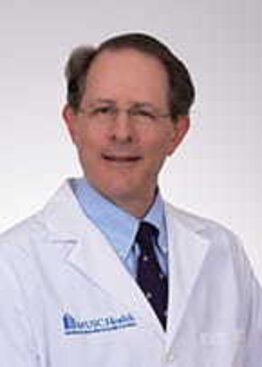
James (Jim) C. Oates, M.D.

Professor and Division Director
Vice Chair for Research

James (Jim) C. Oates, M.D. was appointed to lead the Division following a national search in 2018. Dr. Oates is a graduate of Bates College and the Johns Hopkins School of Medicine, where he was a scholar in the prestigious Four Schools Physician Scientist Training Program. He completed an Internal Medicine Residency and Rheumatology Fellowship at Duke University Medical Center. Dr. Oates moved to Charleston with his mentor, Dr. Gary Gilkeson, to complete an additional year of research fellowship training and in 1997 joined the MUSC Rheumatology faculty. Oates is an avid sailor much like his father, Dr. John Oates (Vanderbilt), which may have influenced his decision to move from Durham to Charleston. Dr. Oates was promoted to the rank of Professor of Medicine and has held a number of important leadership positions at MUSC, including Chief of the Rheumatology Section for the Charleston VA Medical Center, Vice-Chair for Research in the Department of Medicine, Chair of the Clinical and Translational Research Center Advisory Committee, and Informatics Medical Director for Research and Reporting. He has also held important leadership positions in regional and national societies, including President, Southern Society for Clinical Investigation (SSCI), President, American Federation for Medical Research, and editorial board member of the American Journal of Medical Sciences.

Dr. Oates’ major research interest is the role of reactive intermediates and endothelial dysfunction in the pathogenesis of lupus nephritis and atherosclerosis, for which he has conducted animal as well as human research. The discovery and validation of potential biomarkers and machine learning models for lupus nephritis outcomes and atherosclerosis are major goals. With funding awards from the NIH, US Department of Veteran Affairs, and various non-federal funding agencies, Dr. Oates maintains an active research program along with his clinical, teaching, and administrative roles. He envisions strengthening the Scleroderma and Lupus Centers with population health approaches, adding a Vasculitis Center, and maintaining the culture of dignity and respect created by Dr. Silver in the last 23 years. In addition to his passion for sailing, Dr. Oates is happiest when spending time with his wife Jennifer, children Evan and Aubrey, and Sherlock, the family dog.