Neurocritical Care Fellowship

book_2 Learning Mode: Residential


The Neurocritical Care Fellowship at the Medical University of South Carolina (MUSC) is built around a simple principle: do what’s right for the patient, not what’s easy.
We believe that exceptional outcomes come from relentless curiosity, teamwork, and purpose. Our fellows are physicians who bring passion, grit, and compassion to the bedside; and who thrive in an environment where every decision matters.

The Medical University of South Carolina (MUSC), located in historic downtown Charleston, is a vibrant academic medical center and a leading tertiary and quaternary referral hospital for the Lowcountry and beyond. Founded in 1824, MUSC has grown into a 700+ bed institution designated as a Level I trauma center and Joint Commission–certified Comprehensive Stroke Center, offering unmatched exposure to the full spectrum of neurological and neurosurgical emergencies.

Our Neuroscience Intensive Care Unit (NSICU) serves as the hub of the state’s premier neurosciences program, providing advanced care for patients with life-threatening brain and spinal injuries. Through one of the nation’s most extensive telemedicine and telestroke networks, connecting more than 30 hospitals across South Carolina, our team ensures that expert neurocritical care reaches patients wherever they are.

Year over year MUSC treats over 250 aneurysmal SAH patients and performs over 200 mechanical thrombectomies for patients with ischemic stroke. In addition to our ACGME-accredited Neurocritical Care Fellowship, MUSC offers advanced fellowship training in Cerebrovascular Neurology, Neuroendovascular Surgery, and Spine Surgery, reflecting our commitment to comprehensive, multidisciplinary training and excellence in patient care.

Our Unit

The Neurosciences Intensive Care Unit (NSICU) is a state-of-the-art, 23-bed unit located on the 8th floor of MUSC Health University Hospital. It is a closed, fellowship-driven ICU staffed by dedicated neurointensivists, advanced practice providers, and nurses whose expertise and camaraderie define our culture. We own our procedures, we own our decisions, and we own our patients’ outcomes.

The unit is fully equipped for advanced multimodality monitoring, including continuous EEG, ICP/PbO2, and updated bedside ultrasound, bronchoscopes, video laryngoscopy, and invasive / noninvasive hemodynamic monitoring. We collaborate daily with Neurosurgery, Neurology, and Neuroendovascular Surgery, while maintaining primary management of every patient under our care.


Program Structure

Our fellowship is accredited by the Accreditation Council for Graduate Medical Education (ACGME) under the sponsoring specialty of Neurological Surgery, and is also fully accredited by United Council for Neurologic Subspecialties (UCNS). We offer two training pathways:

  • 12-month program for trainees from Neurosurgery or prior critical care fellowship backgrounds.
  • 24-month program for candidates from Neurology, Emergency Medicine, Anesthesiology, or Internal Medicine backgrounds.
    • The first year’s focus will be to build a strong critical care foundation while rotating in other ICUs (STICU, MICU, CVICU, etc.), but will also have you see 4 months of dedicated NSICU time.
    • As a second year, your schedule will mimic the classic “7 on / 7 off” dynamic. You will spend 7 days on service as the senior fellow in the NSICU, followed by 7 days off service, where this time is dedicated to elective, research, or education.

 The curriculum is immersive and clinically rich, emphasizing autonomy, procedural skill, and thoughtful leadership. Fellows rotate through the NSICU as well as the Surgical-Trauma, Medical, Cardiovascular, and Mixed ICUs, complemented by electives in Neuroendovascular Surgery, Neurophysiology, Ultrasound/TCD, Nephrology, Infectious Disease, Palliative Care, and more.

Dedicated research and elective time allow each fellow to tailor training to their interests, whether in clinical trials, quality improvement, or medical education. We take pride in adapting the fellowship to the strengths of each trainee, while ensuring mastery of the fundamentals of neurocritical care.

Procedures

Our fellowship is primarily clinically focused to provide fellows the strongest opportunity at excelling in clinical care. Given our relationship with the Department of Neurosurgery and the Neurosurgery Residency, our fellows often get experience in many types of procedures and procedural skills, including but not limited to:

  • Arterial Line Placement
  • Central Venous Catheter Placement
  • Pulmonary Artery Catheterization
  • Intubations
  • Bronchoscopy
  • Percutaneous and Open Tracheostomy
  • Thoracentesis and Paracentesis
  • Lumbar Punctures and Lumbar Drain Placement
  • Extra Ventricular Drainage
  • Placement and Management of Ventriculostomy and Neuromonitors
  • Procedural Sedation & Analgesia
  • Interpretation and Use of cEEG
  • Ultrasonography in Critical Care
  • Subdural Evacuating Port System (SEPS)

We expect that our fellows will have significant exposure to these procedures and will be competent prior to completion of the fellowship.

Education & Mentorship

Education here is active, not passive.
Our fellows teach and are taught through:

  • Tuesday: Multi-disciplinary Critical Care Fellows Lecture series
  • Wednesday: Morning Lecture Series
  • Fellow Fridays (chalk talks, case discussions, and journal clubs)
  • Neurosurgery M&M and Grand Rounds
  • Monthly Regional Journal Club and Grand Rounds through our Neurocritical Care Consortium (Emory, U of Miami, Duke, Wake Forest)
  • Hands-on procedure workshops and simulation sessions

Our faculty come from diverse backgrounds including Neurology, Anesthesiology, Emergency Medicine, and soon to be Neurosurgery, creating a unique, collaborative environment where different perspectives elevate every discussion.

Beyond the ICU

Neurocritical care changes lives long after the ICU stay ends. We train fellows to recognize that responsibility.

We believe in the power of sustained community engagement and train our fellows to build lasting relationships with patients and families, extending care and trust well beyond the ICU stay.

This dimension of training prepares fellows not just to manage physiology, but to lead with perspective, empathy, and purpose.

Fellows have the opportunity to take part in:

  • The Neurocritical Care Survivorship Program
    • Connects trainees with patients and families navigating recovery, disability, and grief after severe neurologic injury. Fellows take part in survivorship engagement, community education, and institutional initiatives that emphasize resilience, meaning, and continuity of care.
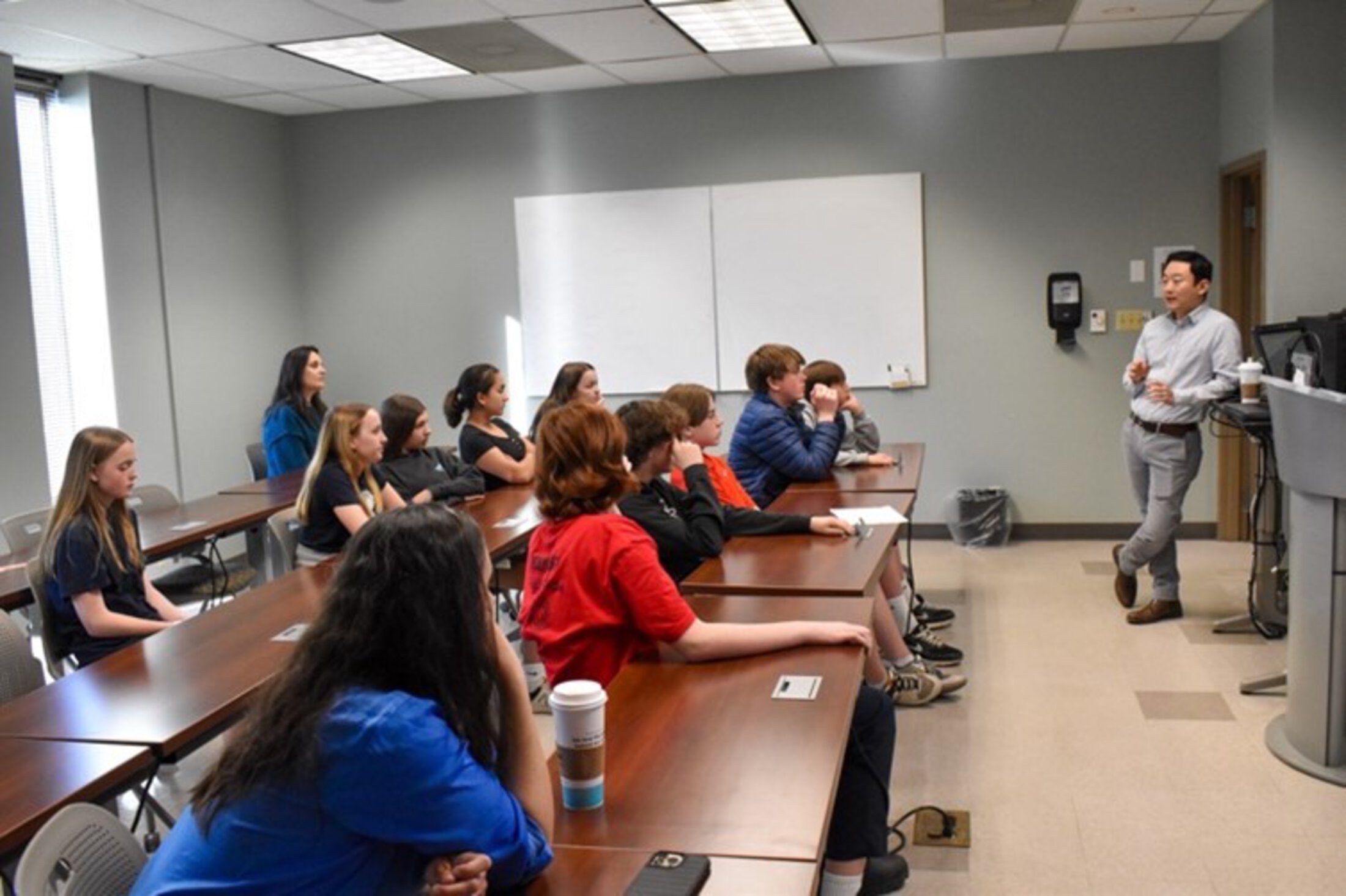
  • Making Neuroscience Fun
    • Help educate students in the surrounding community regarding our “Brain Health” initiatives in conjunction with Johns Hopkins University!
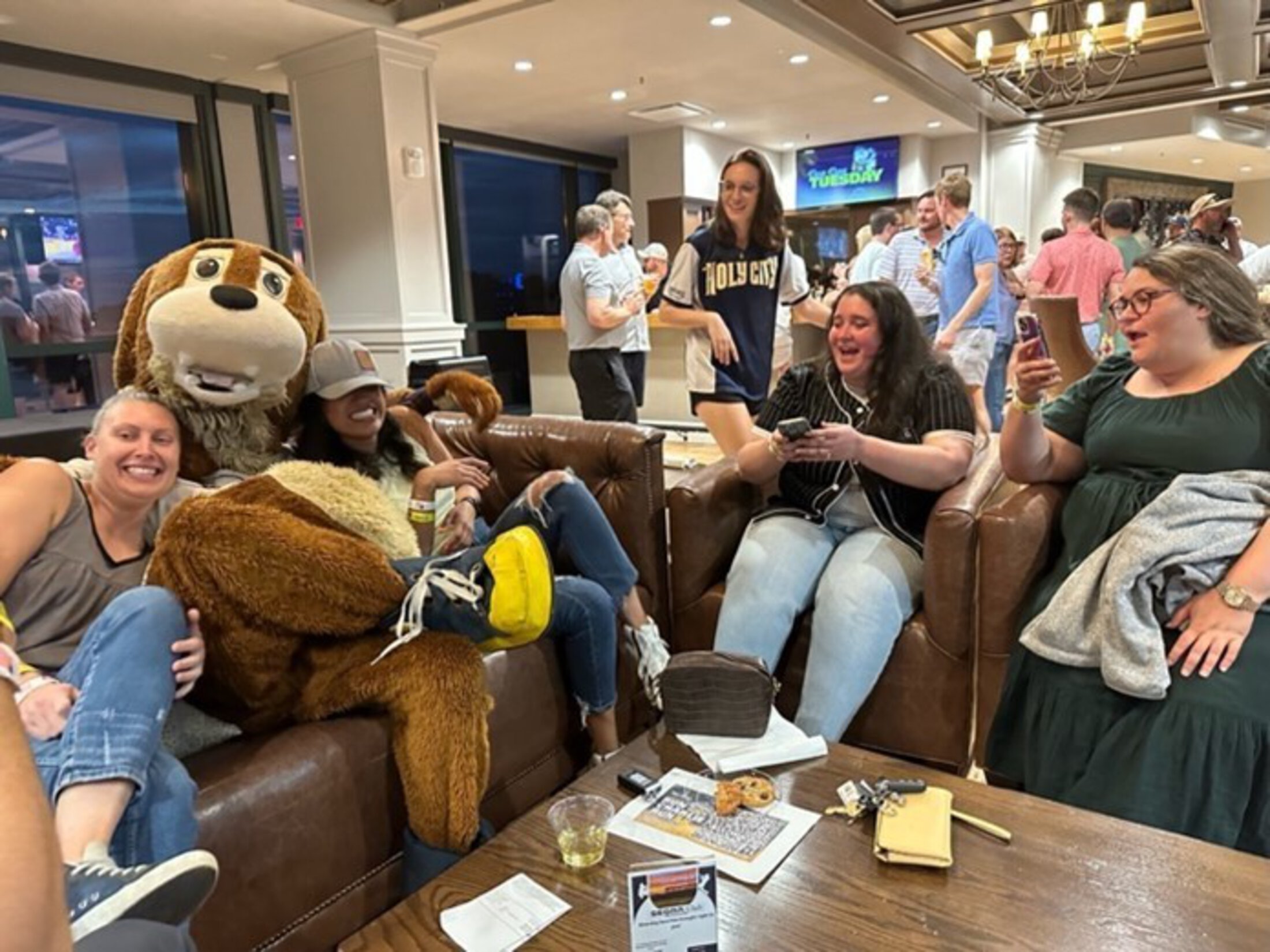
  • Wellness and team-building activities
    • Monthly dinner club / ICU social events
  • Access to the MUSC Wellness Institute program for evaluation of stressors and burnout reduction


Why MUSC?

We’re looking for fellows who are passionate, energetic, and purpose-driven individuals who find meaning in complexity, pride in collaboration, and joy in caring for the sickest neurological patients.

If that sounds like you, we invite you to join us in Charleston and help us move the field forward.


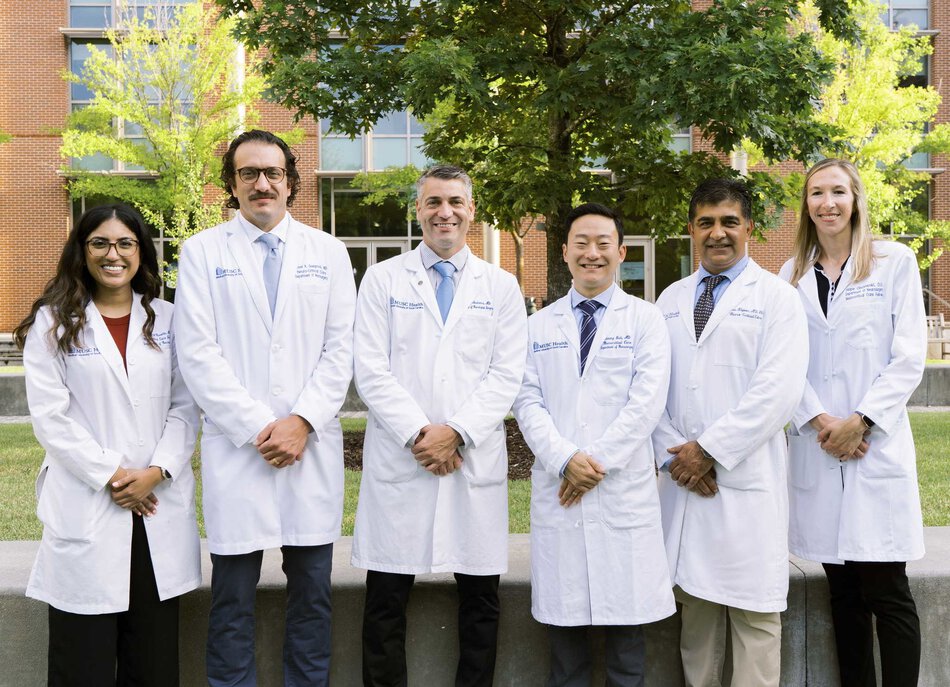
Faculty

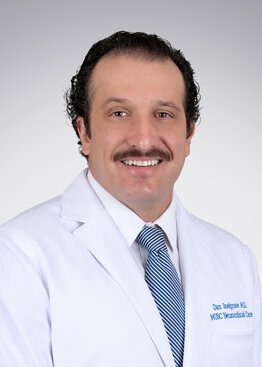
Dan Snelgrove, MD, a neurosurgeon, pictured in a white lab coat.

Danuel Snelgrove, M.D.

Assistant Professor, Neuro-Critical Care
Fellowship Director

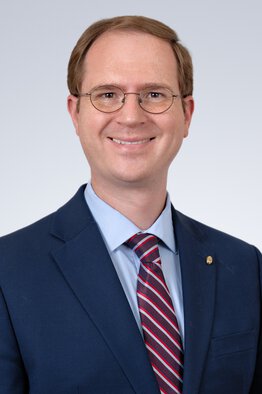
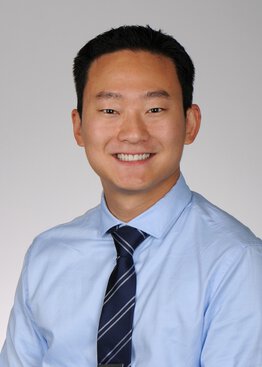
Jimmy Suh, M.D.

Assistant Professor, Neuro-Critical Care
Associate Fellowship Director

Niren Kapoor, M.D., MBBS, Ph.D.

Assistant Professor
Department of Neurosurgery
Neuro-Critical Care

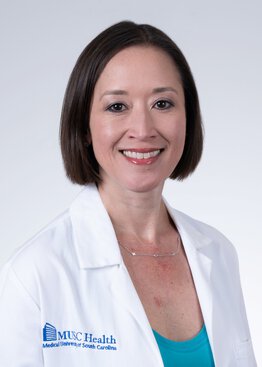
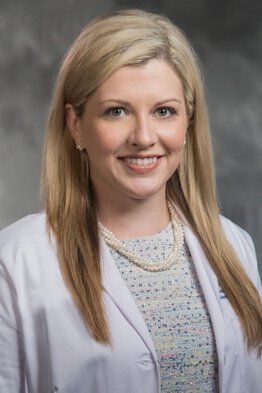
Hope Olszewski, D.O.

Assistant Professor

Charles (Charlie) Andrews, M.D.

Associate Professor
Neuro-Critical Care
Comprehensive Stroke & Cerebrovascular Center

Current Fellows

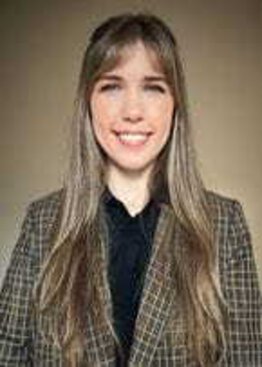
Lissie Ertel, M.D.

Graduated Fellows

Hope Olszewski, D.O. 2023-2025
Ganga Navada, M.D. 2022-2024
Kate O'Connell, D.O. 2021-2023
Danuel Snelgrove, M.D. 2018-2020
Elizabeth Megan Callan, M.D. 2018-2020
Suhas Pai, M.D. 2017-2018
Patrick Britell, M.D. 2015-2016
Michael Errico, D.O. 2013-2015
Charles Andrews, M.D. 2011-2013

How to Apply

MUSC participates in the SF Match Program, and applications will be submitted through the applicant registration portal once it's open in February. Interviews will be held virtually in March and April, and invitations to interview will be sent by Mid-February.

Eligible candidates are board certified/board-eligible, or currently in one of the following ACGME residency programs:

  • Anesthesia
  • Emergency Medicine
  • Internal Medicine
  • Neurology
  • Neurosurgery

Candidates should submit the following:

  • Current Curriculum Vitae (CV)
  • Personal statement
  • Three letters of recommendation

Fellowship positions may remain open, and candidates may submit their application materials directly to the fellowship coordinator when applying for these positions. Interviews for these applicants will be determined by the fellowship director and planned accordingly.

Contact

For more information contact the Fellowship Coordinator or Fellowship Director.

Carole Lavender, C-TAGME

Neurosurgery Residency Program Coordinator
Neurocritical Care Fellowship Coordinator
College of Medicine UME Coordinator
Dan Snelgrove, MD, a neurosurgeon, pictured in a white lab coat.

Danuel Snelgrove, M.D.

Assistant Professor, Neuro-Critical Care
Fellowship Director

Jimmy Suh, M.D.

Assistant Professor, Neuro-Critical Care
Associate Fellowship Director