
Cardiothoracic Surgery Integrated Residency

book_2 Learning Mode: Residential

Learn more about our Cardiothoracic Surgery Integrated Residency Program from our program directors and residents.


Why MUSC?

Discover what it means to learn by doing. Hear firsthand from MUSC attendings, researchers and current residents about the exceptional educational experiences available both in and beyond the operating room. 

Program Overview

Founded in 2009, the MUSC Integrated Cardiothoracic Surgical Residency Program was among the first programs in the nation to offer an integrated six-year training pathway, alongside Stanford University and the University of Pennsylvania. The program accepts residents directly from medical school at the PGY-1 level and prepares them for certification by the American Board of Thoracic Surgery (ABTS) upon completion.

Our comprehensive six-year curriculum provides hands-on training in adult cardiac, congenital cardiac and general thoracic surgery. Residents work closely with dedicated faculty in outpatient clinics, hospital wards, intensive care units and operating rooms, gaining increasing independence in patient care and surgical procedures as they progress through the program. Clinical training is complemented by a strong academic foundation that includes a robust didactic curriculum, research opportunities and participation in national meetings.

Our graduates are well prepared to transition to independent practice. Since the program reached maturity, all six graduates have passed both their written and oral board examinations on their first attempt, received multiple job offers and entered clinical practice as capable, confident cardiothoracic surgeons.

Training

Every resident who trains here gets the same thing at the core: broad operative volume, early autonomy, and faculty who know your name. What differs is the shape of the training around it.

Rotations

The first three years of the six-year program include rotations in the inpatient CT surgery ward and ICU and dedicated operative months in thoracic and cardiac surgery. Off-service rotations complementary to cardiothoracic education include Echocardiography and Thoracic Imaging, Interventional Pulmonology, and Vascular Surgery. Residents spend 3 to 6 months on general surgery rotations each year from PGY-1 to PGY-3 fulfilling ACGME case requirements.

The last three years of our program comprises an intensive operative experience in general thoracic surgery, adult cardiac surgery, and congenital cardiac surgery. The division of Cardiothoracic Surgery performs over 900 adult cardiac and 600 general thoracic operations each year, providing ample training opportunities for our residents. Because we do not have a traditional fellowship program, our residents gain a wide range of operative exposure. Additionally, our residents routinely participate in heart and lung transplantation, durable and temporary mechanical circulatory support, endovascular valve and aortic interventions, and robot-assisted cardiac and thoracic surgery.

Our program is centered in the Ashley River Tower, which has facilities for the complete care of the adult cardiac and thoracic surgical patient. It houses the Chest Pain Center, outpatient clinics, inpatient wards, a dedicated cardiovascular ICU, and operating rooms. The surgical suite includes two hybrid operating rooms providing a state-of-the-art environment for endovascular procedures.

Immediately next door to the Ashley River Tower is the Ralph H. Johnson VA Medical Center, where residents participate in both cardiac and general thoracic surgical care for veterans from throughout South Carolina. MUSC’s Shawn Jenkins Children’s Hospital is just one block from the Ashley River Tower. It houses the most comprehensive and dedicated pediatric heart center in South Carolina, which has been awarded the Society of Thoracic Surgeons 3-star rating for Congenital Heart Surgery for three consecutive cycles. MUSC currently holds the No. 6 position in the U.S. News & World Report’s rankings of the Best Hospitals for Pediatric Cardiology and Heart Surgery.

Simulation

Our residency program uses a dedicated skills lab which is available to residents on their own time as well as part of structured technical skills sessions. The residents participate in an average of four to six wet labs each year that are arranged through industry sponsors. These labs allow residents to perform complete operations on porcine hearts using prostheses and other materials provided by sponsors.

Additionally, MUSC facilities are equipped for simulative training in endoscopy, bronchoscopy, laparoscopy and robotics. These facilities are easily accessible to residents at any time.

Lastly, through a collaborative effort with the MUSC School of Clinical Perfusion, the cardiothoracic surgery residents participate in an annual simulation reviewing cardiopulmonary bypass crisis scenarios using a state-of-the-art cardiopulmonary bypass simulator.

Educational Activities & Conferences 

Below is a list of educational activities and conferences that are provided for all CT residents. Most happen on a weekly or monthly basis. 

The Teaching Conference meets every Tuesday morning for CT residents and attending faculty, following the TSDA Curriculum in thoracic, adult cardiac and congenital cardiac surgery, and critical care. Residents review assigned readings and discussed key topics with attending surgeons.

Department of Surgery Grand Rounds is held monthly on Tuesdays and includes all divisions within the Department of Surgery. Guest speakers include invited guests from other academic institutions as well as current faculty members.

Service Conference is held every Tuesday morning to review the previous week’s surgical cases, focusing on complications and patient deaths.

Cardiothoracic Surgery Journal Club meets monthly at local restaurants, where residents present and critically evaluate articles selected by faculty from leading cardiothoracic surgery journals.

Heart & Vascular Morbidity and Mortality Conference is held monthly. This conference for the Heart and Vascular Service Line is attended by the faculty and residents from Cardiothoracic Surgery, Cardiology and Vascular Surgery.

Service-Specific Multi-Disciplinary Conferences

Structural Heart and Valve Conference is held every Wednesday morning and brings together residents, fellows and faculty from cardiac surgery, interventional cardiology and cardiac anesthesiology. The team reviews upcoming valve interventions, discusses complex cases and treatment approaches, and examines a relevant publication presented by a resident or fellow.

Advanced Heart Failure Therapies Selection Committee meets every Wednesday afternoon to develop treatment plans for patients being evaluated for heart transplantation or durable mechanical circulatory support. The multidisciplinary team also reviews postoperative patients with complications.

Lung Transplant Selection Committee is held every Wednesday morning. This conference is attended by residents, fellows and faculty in Thoracic surgery and Transplant Pulmonology, in addition to a multi-disciplinary group of allied health professionals. Patients undergoing evaluations for lung transplantation are discussed in detail.

General Thoracic Preop Conference is held every Tuesday afternoon. This conference is attended by residents and attendings on the General Thoracic Service. The senior resident(s) on the service present each operative case for the following week. Rationale, approach and supporting literature are reviewed

Thoracic Surgery Tumor Board meets every Wednesday afternoon, bringing together thoracic surgery, medical oncology, radiation oncology and pulmonology to develop treatment plans for patients with thoracic cancer. Attendance is mandatory for the residents assigned to the General Thoracic Service.

Pediatric Cardiology Conference meets Monday and Thursday afternoons to review patients scheduled for surgery the following week, including their medical history and diagnostic findings. Attendance is mandatory for the CT resident on the congenital heart rotation and optional for other CT residents.

Research

All Residents: According to Department of Surgery requirements, cardiothoracic surgery residents must write two publishable manuscripts and complete a quality improvement project during their time in residency. Active involvement in research is encouraged throughout the cardiothoracic training program, and residents frequently exceed the Department of Surgery research requirements. Outcomes research and translational research are supported by faculty within the Division of Cardiothoracic Surgery. Additionally, the Cardiovascular Research Laboratory is accessible to residents who wish to be involved in translational research projects.

Dedicated Research Tract:
One to two years of dedicated research time is supported and encouraged for our research tract residents. These dedicated years have provided time, mentorship and opportunities which have resulted in many national and international meeting presentations including several Plenary sessions presented by our residents.

Residents pursuing basic science research are supported by a rich environment of scientists at MUSC. In addition to the Cardiovascular Research Laboratory, our residents and faculty collaborate with investigators in the Transplant Immunobiology and Surgical Oncology laboratories.

In Training Examination

Residents receive access to both the TSDA online curriculum and question bank, as well as being provided subscription access to STATPearls online question bank for in-training and board preparation.

In addition, the Society of Thoracic Surgeons (STS) offers the STS Learning Center. Residents can build customized quizzes to review topics in adult cardiac, general thoracic, and congenital surgery. All residents and faculty members have full access to the STS Learning Center library which features textbooks, videos, and case presentations. The information available in the STS Learning Center is the same used by the American Board of Thoracic Surgery to create its certification exams.

Evaluations

Throughout training, residents are evaluated through multiple methods to monitor progress, ensure competency and support professional development.

Case Logs: Reviewed semiannually to assess operative volume, case variety and surgical responsibility.

End-of-Rotation Milestone Evaluations: Completed by attending faculty after each rotation and reviewed by the Clinical Competency Committee (CCC) for semiannual ACGME Milestones reporting.

In-Training Examinations: Residents take the TSDA in-service examination each spring. Scores above the 30th percentile are required for advancement. Lower scores result in academic remediation, and two consecutive years at this level may lead to dismissal.

Oral Examinations: Senior residents complete faculty-administered oral examinations in general thoracic, adult cardiac and pediatric cardiac surgery to assess knowledge and prepare for American Board of Thoracic Surgery (ABTS) examinations. Unsatisfactory performance requires retesting.

Health Professional Assessments: Advanced practice providers provide semiannual 360-degree feedback for CCC review.

Peer Evaluations:
Conducted semiannually and reviewed by the CCC.

Self-Evaluations: Residents complete semiannual milestones self-assessments for CCC review.

Semiannual Milestones Reporting:
In November/December and May/June, the CCC reviews evaluations, case logs, examination results and other assessments. The program director meets individually with each resident to review progress and develop improvement plans as needed.

Application

Find key information about the application process and key deadlines to keep you on track.

The Division of Cardiothoracic Surgery at the Medical University of South Carolina participates in the National Resident Matching Program and accepts applications only through the Electronic Residency Application Services system of the Association of American Medical Colleges (AAMC). All applicants are required to complete the universal application form available through ERAS and submit this along with a board scores, three letters of reference, personal statement, a dean's letter, and medical school transcripts. All applicants must have successfully passed USMLE Step 1 and Step 2 exams (or the equivalent COMLEX Step 3 Exam or MCCQE Parts I and II).

Residents are selected on a fair and equal basis without regard to race, color, religion, sex, national origin or sexual orientation. Selection of applicants is based upon qualities such as publications, test scores, letters of recommendation, personal statement and fit with the department upon interview. Of particular importance is a demonstrated commitment to cardiothoracic surgery. Interested medical students can optimize their chances of matching into the residency program by doing more than just their required clinical rotations by either spending time doing cardiothoracic-related research or more focused time in cardiothoracic surgery rotations. It is also strongly encouraged that applicants to the integrated program spend time in clinical rotations on Cardiothoracic Surgery at the Medical University of South Carolina.

Please contact the Program Coordinator for further information regarding scheduling an elective rotation.

Diana Gillard-Heyward, MA
843-792-6296
gillardd@musc.edu

ERAS Application

Our Residents

Professional Portrait

Samuel Dunseith, M.D.

Melissa Lamicq, M.D.

Carter Glenn, M.D.

Fletcher N. Pierce, M.D.

Morgan Hill, M.D.

Adam Lobbestael, M.D.

Natalia Roa Vidal, M.D.

Kevin Huang, M.D.

Zachary Sollie, M.D.

Michael Varrone, M.D.

Brady Gunn, D.O.

Kelly Ohlrich, M.D.

Jennie Kwon, M.D.

Our Graduates

Career Paths of Former Residents


Sarah Chen, M.D.
– Cardiothoracic and Vascular Surgeons in Austin, TX

Maxwell Kilcoyne, D.O. – Adult Cardiac Surgeon at Henry Ford Genesys Hospital

Walker Blanding, M.D. – Cardiothoracic Surgeon, MUSC Health, Charleston, SC

Alex Ghannam, M.D. – ProMedica Health, Toledo, OH

Quiana Kern, M.D. – Cedar Surgical Group, Kansas Medical Center

Alexander “AJ” Sbrocchi, M.D. – Baylor Scott & White Health, Dallas, TX

Llyod “Mac” Felmy, M.D. – Pediatric Cardiothoracic Surgeon, MUSC Health, Charleston, SC

Bradley J. LeNoir, M.D. – Sanger Heart & Vascular Institute, Charlotte, NC

Scott D. Johnson, M.D.
– Aurora Cardiovascular & Thoracic Services, Milwaukee, WI

Daniel S. Eads, M.D.
– Banner Heart Hospital, Mesa, AZ

Scott A. Hittinger, M.D. – Kaiser Permanente, Santa Clara, CA

Walter F. DeNino, M.D. – Maine Medical Center, Portland, ME

Leadership

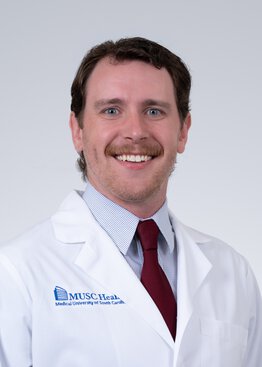
Nicolas Pope, M.D.

Assistant Professor of Surgery, Division of Cardiothoracic Surgery; Program Director, Cardiothoracic Surgery Integrated Residency Program
Barry Gibney, DO, Cardiothoracic Surgery,Cancer - Lung & Thoracic wearing a white coat

Barry Gibney, D.O.

Associate Program Director, Cardiothoracic Surgery Integrated Residency Associate Professor, Department of Surgery

Diana Gillard-Heyward

Program Manager, Education Division Department of Surgery

Christian Streck, M.D., FACS

Medical Director, Pediatric Trauma Surgery Vice Chair, Surgical Education Division Chief & Professor, Pediatric Surgery

FAQ

Benefits and salary are provided by the GME Office. Click here to view the information. 

We currently match two integrated residents each year.

Click here to discover life in Charleston with MUSC, a city where history, culture, and coastal living enrich teaching, research, and learning.

Residents live all around Charleston and the surrounding communities. You can live downtown, by one of the many beaches or salt marshes, or in a more suburban area. Some residents bike or drive to work from downtown (5 min). Other residents drive in from Mt Pleasant (15-20 min), West Ashley (10-20 min), James Island (10 min), Johns Island (30 min), or North Charleston (10-20 min).

Chief residents finish their training with more than enough cases to meet the training requirement set by the American Board of Thoracic Surgery. Our graduating residents typically reach over 1,500 cases, which also exceeds the number of cases required by the ACGME.

Surgery residents are awarded 3 weeks (21 days) of vacation each academic year. Each vacation is a 7-day block. Residents submit their preferences to the administrative chief before the start of the academic year and all attempts are made to accommodate the preferences. Maternity, paternity, and bereavement leave are granted.

The Department of Surgery has an active and dedicated wellness program with faculty sponsor Dr. Ris Mayor. The group welcomes members from all PGY classes. They work as a liaison, voicing resident concerns and securing department funds and creative solutions to meet the wellness needs of our residents. Click here to learn more. 

The Department also has a Disparities and Cultural Engagement Committee. Our goal is to continue to expand our cultural understanding within our talented team, which leads to improved patient-centered care. Click here to learn more.

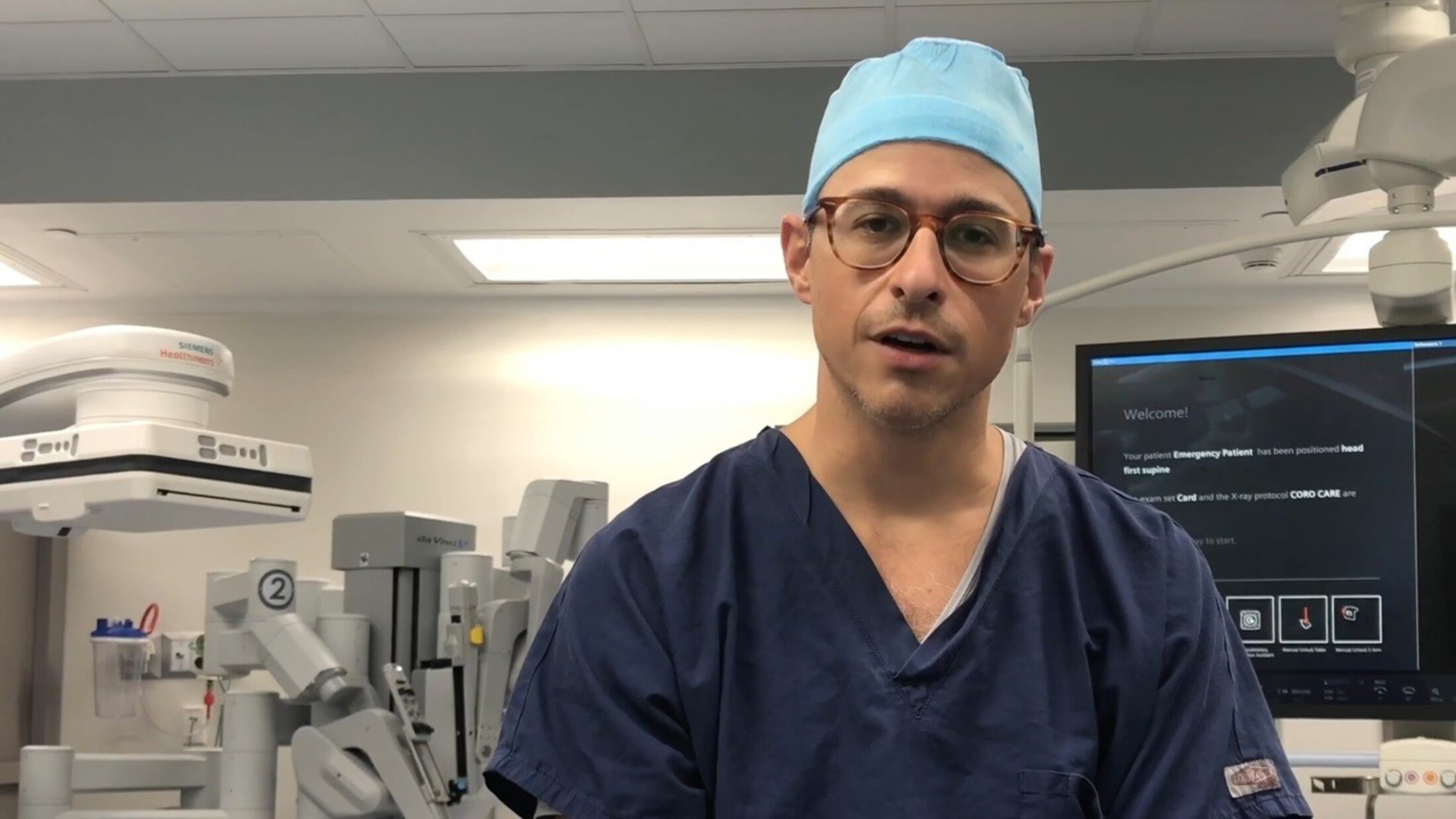
A Welcome Message

from
Dr. Gibney

Dr. Barry Gibney invites you to learn more about the Cardiothoracic Surgery Integrated Residency program at MUSC.