Mysona Lab

Translating scientific discoveries into better outcomes for patients with endometrial cancer

What We Do

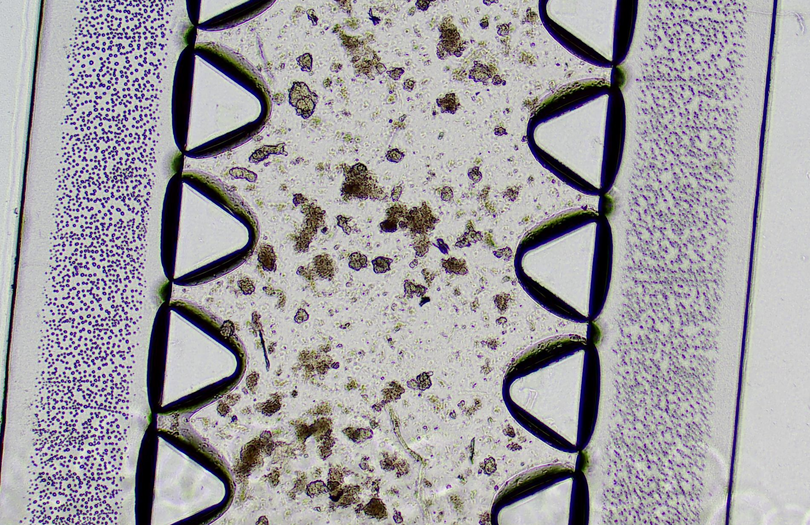
The Mysona Lab uses human-centered experimental models including patient-derived organoids, tumor spheroids, and microfluidic systems together with machine learning and artificial intelligence analysis of single-cell, spatial, and multi-omic datasets to decipher the immune microenvironment and therapeutic vulnerabilities of endometrial cancer.

Who We Are

Leadership

David Mysona, M.D., is a gynecologic oncologist and physician-scientist whose laboratory is driven by challenges encountered in the clinic and is focused on translating scientific discoveries into better outcomes for patients with gynecologic cancer and in particular endometrial cancer.

View Cancer Research Profile

Members

Victoria Diamond, M.D., Gynecologic Oncology Fellow
Lauren Tolliver, Lab Manager

Collaborators

The Mysona lab benefits from the wholehearted support of the entire gynecologic oncology team at the NCI-designated MUSC Hollings Cancer Center. The gynecologic oncology team sees over 1,500 new patients and performs over 1,200 surgeries each year. The access they provide to the William T. Creasman Transdisciplinary Gynecologic Cancer Repository of tissue samples accelerates the translation of our research into new therapy trials that Hollings patients will soon have the option to participate in.

Why It Matters

Endometrial cancer is the most common gynecologic cancer in the United States, with approximately 70,000 new cases and 14,500 deaths each year. Unlike many other cancers, both the incidence of endometrial cancer and the number of deaths associated with the disease continue to rise – for reasons that remain unknown.

Each patient’s cancer is unique. Current treatments – including surgery, chemotherapy, radiation, targeted therapies, and immunotherapy – do not work equally well for everyone.

There is an urgent need to:

  • Understand why endometrial cancer is becoming more common.
  • Develop more effective therapies.
  • Identify biomarkers that can determine which treatment is most likely to cure each patient.

Studies

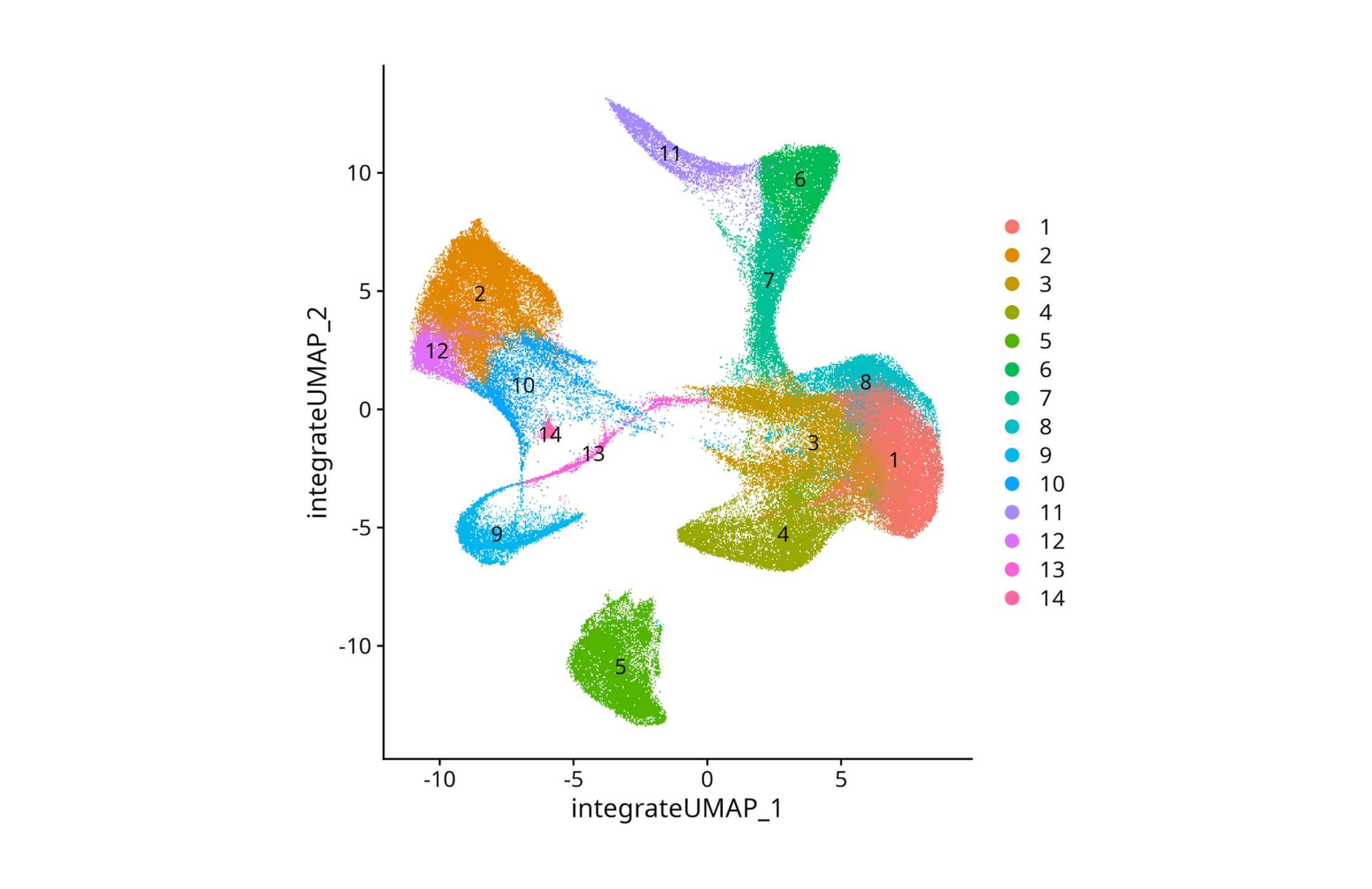
The Mysona Lab uses artificial intelligence and machine learning to analyze single-cell, spatial, and bulk multi-omic datasets derived from patients with endometrial cancer.

These approaches have revealed important insights into the immune-cell populations, inflammatory signals, and tumor-defense mechanisms that shape endometrial cancer.

We test our insights in patient-derived experimental models to validate new therapeutic targets, evaluate treatment strategies, and develop more precise approaches for selecting the right treatment for each patient.

Active Studies

Our group has identified geographic differences in the distribution of endometrial cancer subtypes across South Carolina, with some counties experiencing higher rates of aggressive disease. We are applying geospatial analysis to investigate how environmental exposures including drinking-water contaminants, air pollution, industrial and agricultural exposures, and proximity to environmental hazards interact with social and community-level risk factors to influence the development and distribution of different endometrial cancer subtypes.

Using machine learning and artificial intelligence to analyze single-cell and multi-omic datasets, our group has identified gamma-delta T cells as an important component of the immune response to endometrial cancer.

Our findings suggest that these cells are associated with patient outcomes and possess distinct functional properties that enable them to recognize and eliminate endometrial cancer cells. We are investigating how gamma delta T cells function within the tumor microenvironment, recognize cancer cells, interact with other immune populations, and become activated or suppressed.

We are actively translating these discoveries into new immunotherapies that harness gamma delta T cells to improve outcomes for patients with endometrial cancer.

Dr. Mysona serves as head of the William T. Creasman Transdisciplinary Gynecologic Cancer Repository at Hollings Cancer Center. The repository receives clinically annotated samples from patients undergoing treatment for gynecologic cancers. The Hollings gynecological oncology team evaluates more than 1,500 new patients and performs more than 1,200 surgeries each year. Repository staff process and preserve tumor tissue, single-cell suspensions, plasma, and peripheral blood mononuclear cells, linking these biospecimens with relevant clinical and treatment information.

These resources enable the development of patient-derived organoids and tumor spheroids, therapeutic and drug-response testing, and the generation of single-cell, spatial, and multi-omic datasets.

By placing human specimens at the center of discovery, the repository allows laboratory findings to be evaluated directly in models that reflect the complexity of gynecologic cancers. It also supports collaborations across the Medical University of South Carolina, accelerating research in cancer biology, biomarker discovery, therapeutic development, and adoptive cellular therapies.


Using machine learning and artificial intelligence to analyze single-cell and multi-omic datasets, our group has identified neutrophils as prominent contributors to endometrial cancer development and to the formation of the tumor microenvironment. We are investigating how neutrophils influence tumor growth, inflammation, immune responses, and treatment resistance.

Our current work focuses on reprogramming neutrophils to promote anticancer activity and identifying and targeting vulnerabilities created by neutrophils within the tumor microenvironment as new therapeutic strategies for patients with endometrial cancer.

Contact

mysona@musc.edu