Pediatric Primary Care Residency

book_2 Learning Mode: Residential
Video placeholder: blue gradient background with the Medical University of South Carolina logo

Learn more about our program and our team!

Video placeholder: blue gradient background with the Medical University of South Carolina logo

Peds Primary Care Residency Program

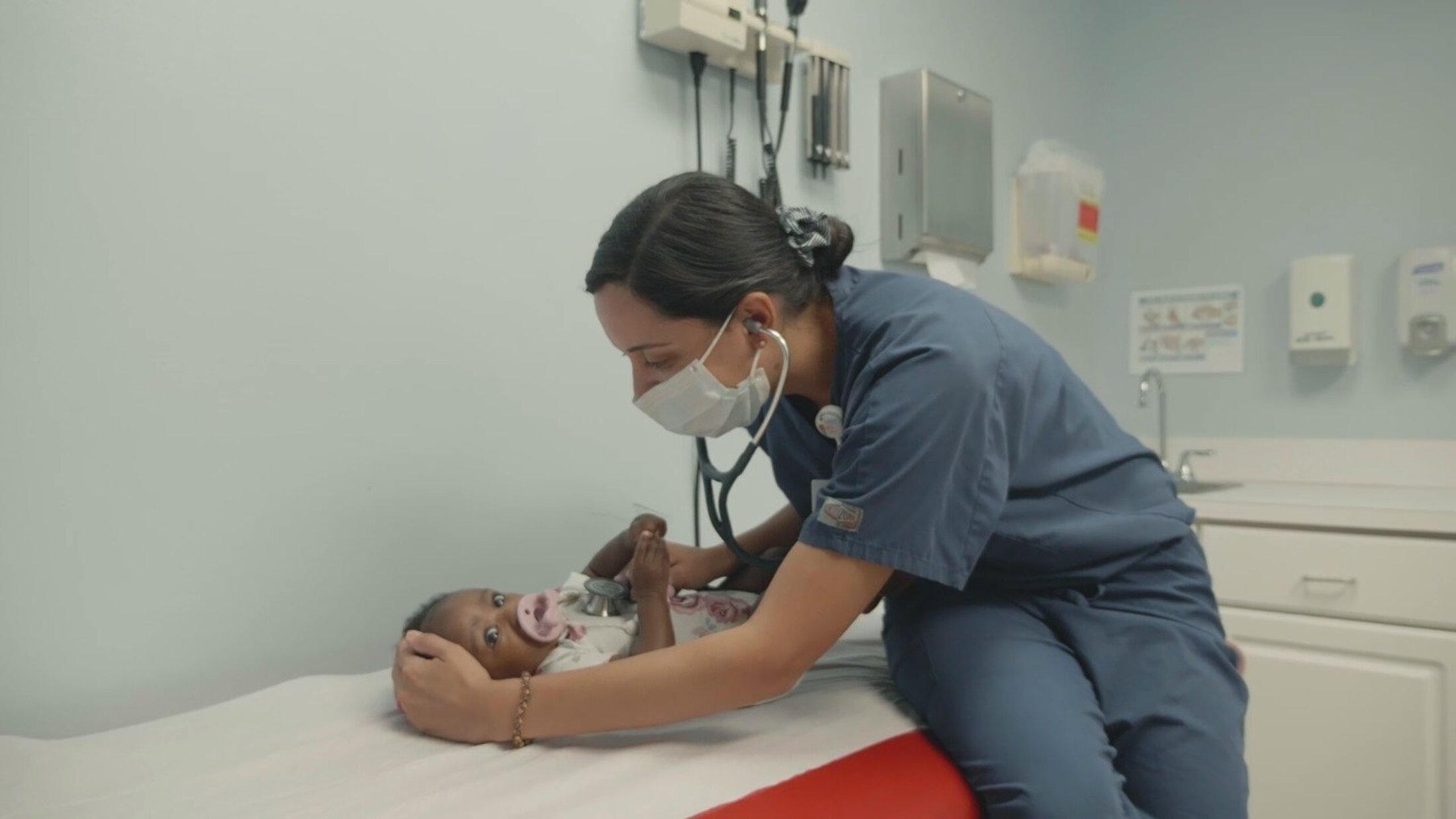
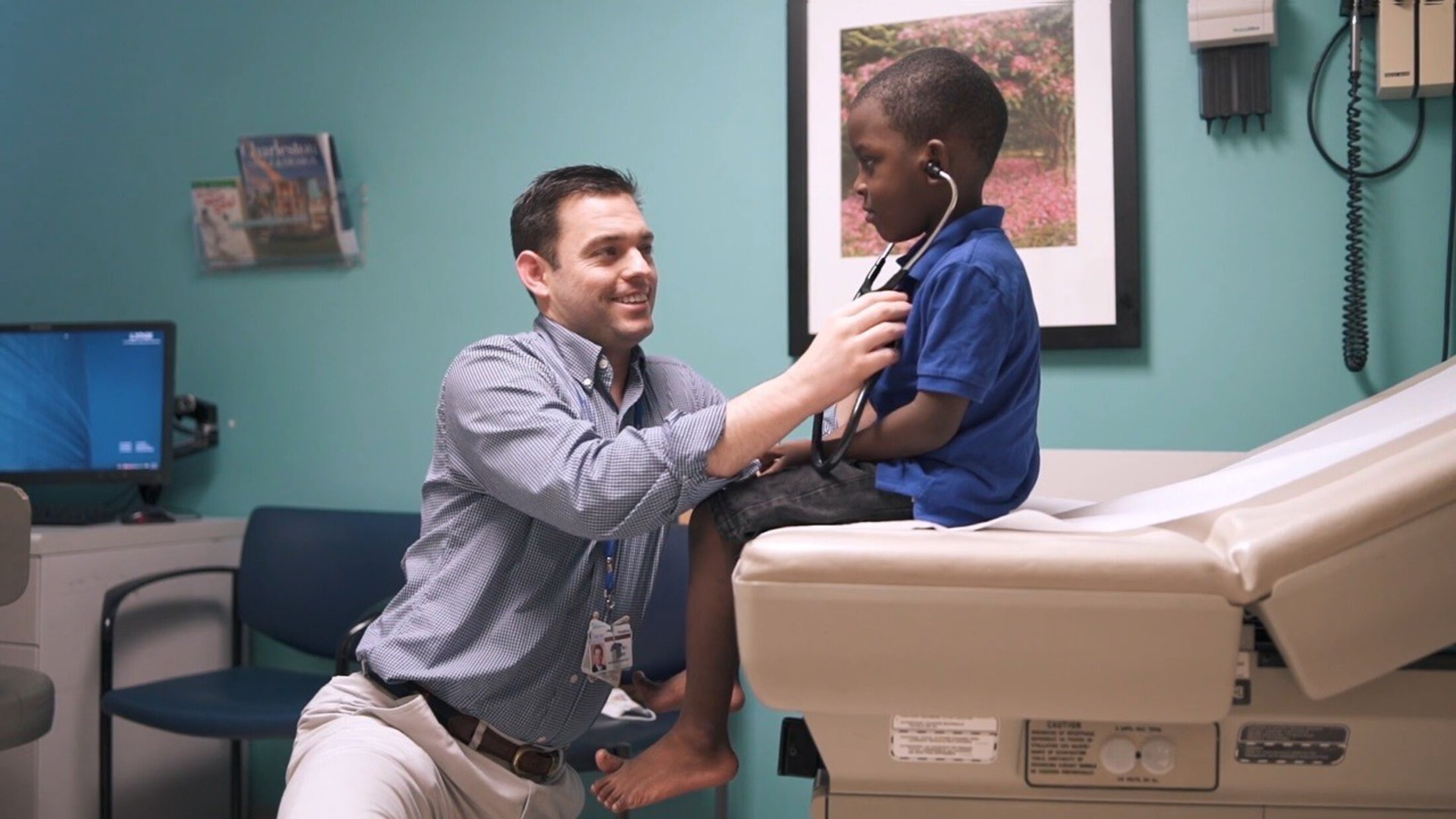
Since 2011, the Pediatric Primary Care Residency (PCR) at MUSC has prepared residents to care for children in an outpatient setting and in the community. Our trainees capitalize on the intensive training opportunities afforded by our comprehensive regional pediatric quaternary hospital, balancing that with extended community-based rotations providing direct primary care. This results in a well-rounded training with strong foundational primary care skills backed by exposure to an incredible breadth of pathology and disease severity.

Program Overview

We take three residents per year. We aim to recruit people with a passion for primary care who look to impact child wellness in their clinics and beyond into their communities. Intern year is integrated with the categorical residents. During second and third year, PCR residents spend 3-4 months seeing patients in varied primary care settings. PRC residents and categorical residents attend Academic Half Day for core didactic education. The PCR also provides supplemental didactics. More detailed information about our curriculum and partner sites is available.

Become the Pediatrician Every Child Deserves

In your 3 years here, you’ll gain the skills and confidence to thrive in primary care pediatrics. Each year, we welcome 3 residents into our close-knit program, offering world-class training at a leading children’s hospital paired with extended community-based rotations. The result: a well-rounded experience that prepares you to care for children everywhere—from everyday checkups to the most complex cases.

Our Mission

To train confident, competent, and compassionate pediatricians prepared to lead in primary care—through a balanced, community-driven experience rooted in resourcefulness and academic excellence.

Our Vision

To inspire a new generation of pediatricians who deliver outstanding care, build healthy communities, and shape the future of primary care.


Children's Care Network Faculty

Brenda Alvarado, M.D.

Assistant Professor, Children's Care Network

Christine Canivan, M.D.

Assistant Professor, Children's Care Network

Luke Edmondson, M.D.

Associate Professor, Children's Care Network

Carol Jones, M.D.

Assistant Professor, Children's Care Network

Morgan Khawaja, M.D.

Co-Director, Pediatric Residency Medical Education Track
Clinical Associate Professor, Children's Care Network

Henry Lemon, M.D., FAAP, MSCR

Medical Director, MUSC Children's Care Clinics
Associate Professor, Children's Care Network

Maritere Nazario, M.D.

Director, Pediatric Prevention Clinic
Associate Professor, Children's Care Network

Anna Hoffius, M.D.

Director, Northwoods Resident Rotation
Associate Professor, Children's Care Network
Professional portrait

Rachael Zweigoron, M.D.

Associate Program Director, Pediatric Residency
Medical Director, Pediatric Ambulatory Telehealth
Clinical Associate Professor, Division of General Pediatrics

FAQ

No, matching to the PCR is not a contractual obligation to do primary care. Our mission is to train primary care providers, but sometimes people find new passions during residency, and we support residents to continue any training they choose.

Yes! PCR residents are welcome to join the global health, advocacy, or medical education tracks. Many of our residents are highly involved in them.

Residents in the program are paired with one of our wonderful primary care faculty at the start of their intern year. This mentor helps provide clinical coaching, career guidance and frequent check-ins throughout residency. Additionally, residents interact closely with our primary care faculty at quarterly journal clubs with opportunities to partner for QI, advocacy, and research.

Yes! Our graduates tell us resoundingly that their training provided adequate inpatient and ICU time. Generally, PCR residents do one less ICU block in their PGY-2 and PGY-3 year, one less ED block in PGY-3, and ½ block less nights in PGY-2 and PGY-3. These rotations are replaced with community primary care rotations.

Well, having an integrated intern year allows the two program’s residents to be very cohesive. The PCR residents feel fully part of the MUSC program and enjoy the experience of having a small group with shared career interest.

Many of our applicants will have interests and career aspirations that fit with the goals of both residencies, and we encourage those applicants to apply to both. You will rank them separately and should put them in your order of preference.

Private practice (11 graduates), Academic centers (6 graduates), FQHC (2 graduates), Pediatric Urgent Care (1 graduate), Community Hospitalist (1 graduate), Doctors Without Borders (1 graduates), fellowship (2 graduates), Pediatric Chief Resident (1 graduate)

  • Chicago College of Osteopathic Medicine
  • Creighton University
  • Des Moines University College of Osteopathic Medicine
  • East Carolina University
  • East Tennessee State University
  • Eastern Virginia Medical School
  • Edward Via College of Osteopathic Medicine – Auburn
  • Edward Via College of Osteopathic Medicine – Carolinas
  • Edward Via College of Osteopathic Medicine – Louisiana
  • George Washington University
  • Indiana University
  • Marian University College of Osteopathic Medicine
  • Medical College of Georgia
  • Medical University of South Carolina
  • New York College of Osteopathic Medicine
  • Pennsylvania State University
  • Texas A&M University
  • University of Florida
  • University of Kentucky
  • University of Pennsylvania
  • University of South Carolina – Columbia
  • University of Tennessee – Memphis
  • University of Virginia
  • Virginia Commonwealth University
  • West Virginia University