Categorical Pediatric Residency Curriculum

Training Sites

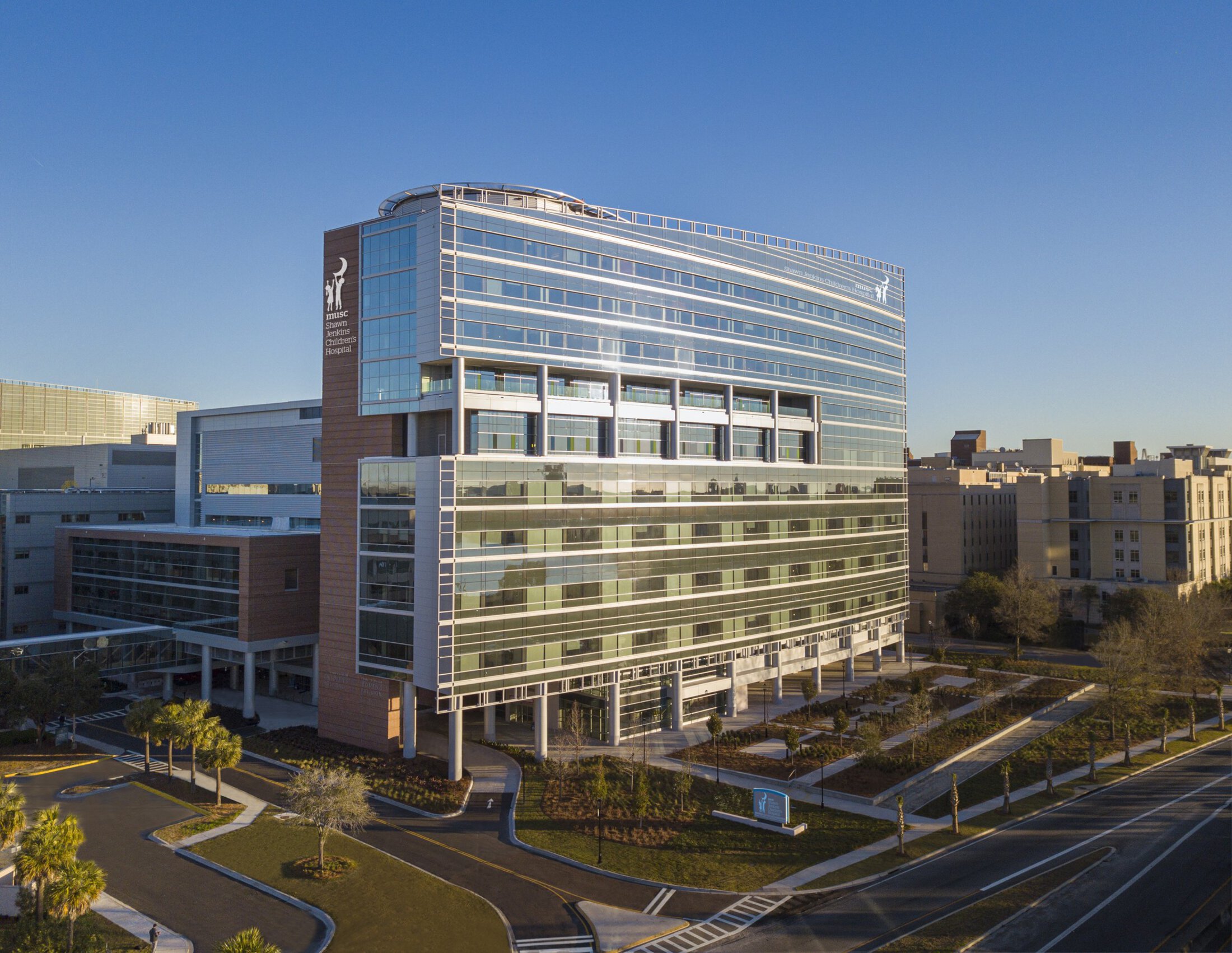
Shawn Jenkins Children’s Hospital

MUSC Shawn Jenkins Children?s Hospital is the only children?s hospital in the area and the largest referral center in the state. We are made up of 27 pediatric subspecialties with faculty that staff a Top 10 nationally ranked pediatric heart program, as well as multiple other subspecialties ranking in the Top 50. Our large referral base benefits from state-of-the-art care provided in our 250-bed facility. In turn, our residents benefit from the cultural, economic, and medical variety of this unique patient group. With 100,000 annual clinic visits and nearly 8,000 in-patient admissions, we see the spectrum from well newborns to rare diseases that present a once in a lifetime learning opportunity.

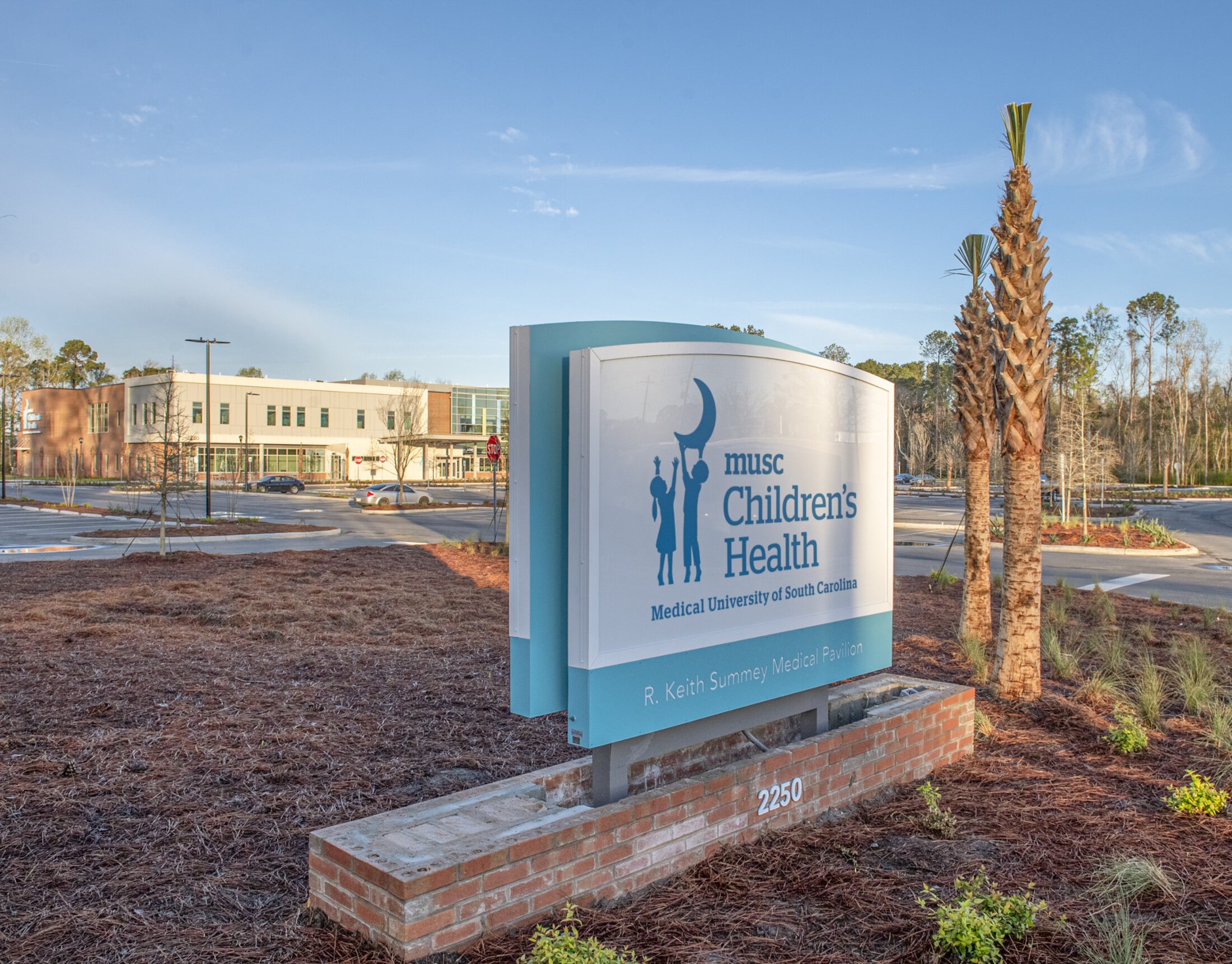
Summey Medical Pavilion

The Summey Pavilion at MUSC provides a comprehensive outpatient pediatric experience, housing more than 27 pediatric specialty clinics alongside a dedicated complex primary care clinic. Designed to support coordinated, family-centered care, the pavilion features on-site operating and procedure rooms, infusion services, imaging and ultrasound, audiology, and laboratory services, as well as a retail pharmacy for added convenience. Patients and families also benefit from after-hours care, multiple play areas, and access to child life specialists, creating a supportive and engaging environment for children of all ages. 


Subspecialty Services

  • Adolescent Medicine
  • Allergy & Immunology
  • Anesthesia
  • Cardiology
  • Cardiothoracic Surgery
  • Child Abuse Pediatrics
  • Critical Care Medicine
  • Dermatology
  • Developmental and Behavioral Pediatrics
  • Developmental Neurogenetics
  • Emergency Medicine
  • Endocrinology
  • Epidemiology
  • Gastroenterology, Hepatology, and Nutrition
  • Genetics
  • Hematology/Oncology
  • Infectious Diseases
  • Interventional Radiology
  • Neonatal-Perinatal Medicine
  • Nephrology
  • Neurology
  • Neurosurgery
  • Newborn Nursery
  • Ophtalmology
  • Orthopedic Surgery
  • Otolaryngology
  • Palliative Care
  • Pathology
  • Pediatric Hospital Medicine
  • Physical Medicine and Rehabilitation
  • Psychiatry
  • Radiology
  • Rheumatology
  • Surgery
  • Urology

Curriculum

Even with over 80 years of experience training pediatricians, we continue to refine and optimize our clinical curriculum based on resident input. This is especially important in a world where the policies of residency governing bodies change frequently. Because of this continued pursuit of excellence, our graduates are more than prepared for careers in general practice or fellowship.

Schedule Of Rotations

Blocks are divided into 28-day rotations.

Pediatric Hospital Medicine Wards
2.5 blocks, 0.5 blocks night float 
Hematology-Oncology Inpatient Ward
1 block
Cardiology Inpatient Ward
1.5 blocks
Neonatal ICU
1 block
Emergency Medicine
1 block
Level 1 Nursery
1 block
Elective
2.5 blocks
Pediatric Primary Care Clinic
1 block
Developmental Pediatrics
1 block

Pediatric Hospital Medicine Wards
1 block
Hematology-Oncology Inpatient Ward
0.5 blocks
Pediatric ICU
2 blocks
Neonatal ICU
1 block
Pediatric Hospital Medicine Wards Night Shift
0.5 blocks
Hematology-Oncology & Cardiology Night Shift
0.5 blocks
Emergency Medicine
1.5 blocks
Level 1 Nursery
0.5 blocks
Electives
5.5 blocks

Pediatric Hospital Medicine Wards
1.5 blocks
Pediatric ICU
1 block
Delivery Room/Resuscitation
0.5 blocks
Pediatric Hospital Medicine Wards Night Shift
0.5 blocks
Emergency Medicine
1 block
Electives
5 blocks
Emergency Medicine
1.5 blocks
Adolescent Medicine
1 block
Mental Health
1 block

Individualized Curriculum

The ability to create electives such as research time, following respiratory therapy, transport team, etc. to meet your professional goals can be discussed with program leadership.

Simulation - Procedural Curricula

Our Pediatric Simulation Curriculum started during the 2008-2009 academic year and has become an integral part of our resident education. The MUSC Healthcare Simulation Center is a state-of-the-art facility that provides residents the opportunity to train and participate with high fidelity simulation manikins and task trainers. Each mannequin provides real life experience with the ability to monitor vital signs, quality of chest compressions, and procedural practice. The simulation curriculum for the pediatric residents includes dedicated time to practice procedural skills that are ACGME required, as well as participate in mock codes and neonatal/pediatric resuscitations in the simulation center as well as “in-situ” in the Children’s Hospital. Residents participate in simulation at least 5 times per year in small groups and have the chance to spend additional time at the center as well. Residents also have the opportunity to teach medical students during their own simulation lab sessions.

Simulation Center Education

Learn more about the MUSC Simulation Center and procedure curricula for the program.

Video placeholder: blue gradient background with the Medical University of South Carolina logo