
For decades, the standard approach to cochlear implants was a bit like handing every patient the same size shoe and telling them to get used to it. While the technology achieved life-altering results, it often failed to account for the unique anatomical and lifestyle differences of each recipient. At the Medical University of South Carolina (MUSC) Department of Otolaryngology – Head and Neck Surgery, that one-size-fits-all era is over.
The department is pioneering a transition toward precision otology, where treatments are as unique as the patients receiving them. Led by experts like Dr. Robert Labadie and Dr. Ted McRackan, the program is moving beyond simple surgical success to focus on long-term functional excellence and quality of life.
The Customization Revolution
In traditional hearing care, cochlear implant programming was often standardized. But, by integrating patient demographics, listening and lifestyle needs, and specific electrode types into a predictive database, surgeons can now generate a personalized script for each patient. Dr. Labadie, an MD/PhD bioengineer, is leading the research on customized cochlear implant programming that is driving the evolution in precision care.
We should be able to put a patient’s demographics into a database and say, Here is your exact script - which manufacturer, which electrode type - and exactly what we expect your outcomes to be.
This approach is further enhanced by development of the Cochlear Implant Quality of Life (CIQOL) instrument suite - created by Dr. McRackan and now translated into 17 languages and used in the US and globally. The CIQOL allows teams to formally assess a patient's specific communication needs and goals before proceeding with surgery, enabling truly informed decision-making. Beyond cochlear implants, MUSC Health is the largest enrolling site in the nation for totally implantable cochlear implant clinical trials, representing the cutting edge of the field's technological frontier.
The South Carolina Context
The need for early intervention is particularly acute in South Carolina, where rural populations often lack access to specialized screening. When hearing loss goes untreated, it leads to more than just communication difficulties; it can contribute to social isolation, depression, and poorer quality of life.
To address this, the department leverages one of the world's largest hearing loss databases - a 37-year NIH-funded project led by Dr. Judy R. Dubno that tracks the natural course of hearing loss across diverse populations. This exhaustive dataset, the largest outside of Iceland, has informed the development of a three-question Epic tool that successfully screens the Medicare population for hearing issues, making early detection possible at scale.
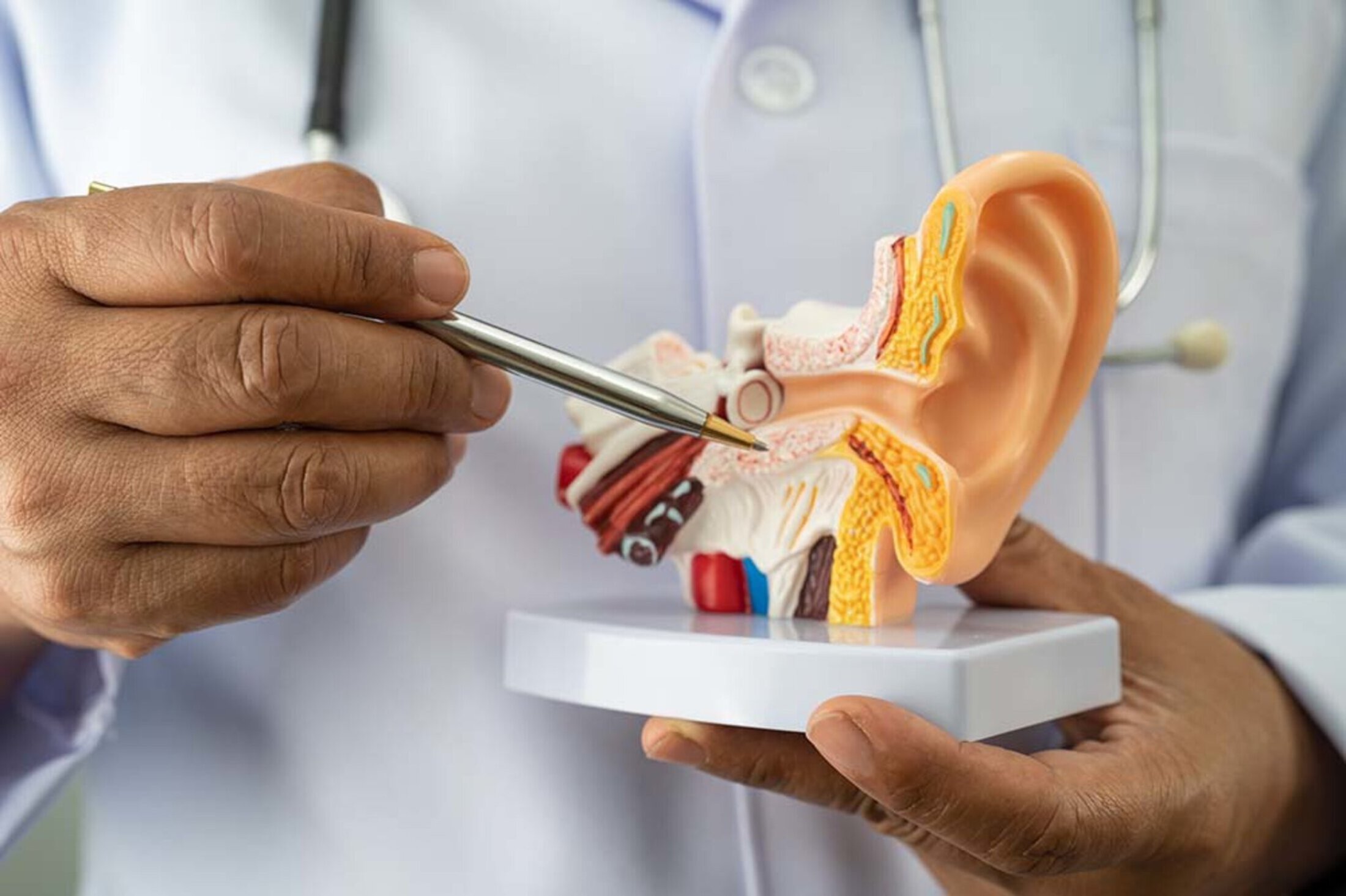
The technical innovation extends to the operating room. MUSC Health is the only otolaryngology program in the country with an intraoperative CT scanner dedicated to validating cochlear implant placement in real time, ensuring surgical precision that other programs simply cannot match. This combination of advanced imaging, research-driven database insights, and customized programming represents an entirely new standard in hearing care.
Why it Matters
Recent data published in JAMA Network Open by Dr. Lauren Dillard highlights that over half of adults develop hearing loss over a 25-year period. More importantly, the research underscores that the hearing organ is a vascular system, and that hearing loss is linked to hypertension and stroke risk. By treating hearing loss as part of a person's overall health rather than an isolated ailment, MUSC surgeons are not just restoring sound; they are potentially mitigating risks of falls, frailty, and communication decline in South Carolina's seniors.
Of course, MUSC Health doesn't just treat patients; it is defining the future of the field. The department's fellowship and residency programs ensure that the next generation of ear surgeons is trained in these advanced, customized techniques. By teaching residents how to utilize intraoperative CT scanners for cochlear implant validation - a technique no other program in the country offers - MUSC ensures that graduates leave with technical mastery and an innovation mindset that simply cannot be matched elsewhere.
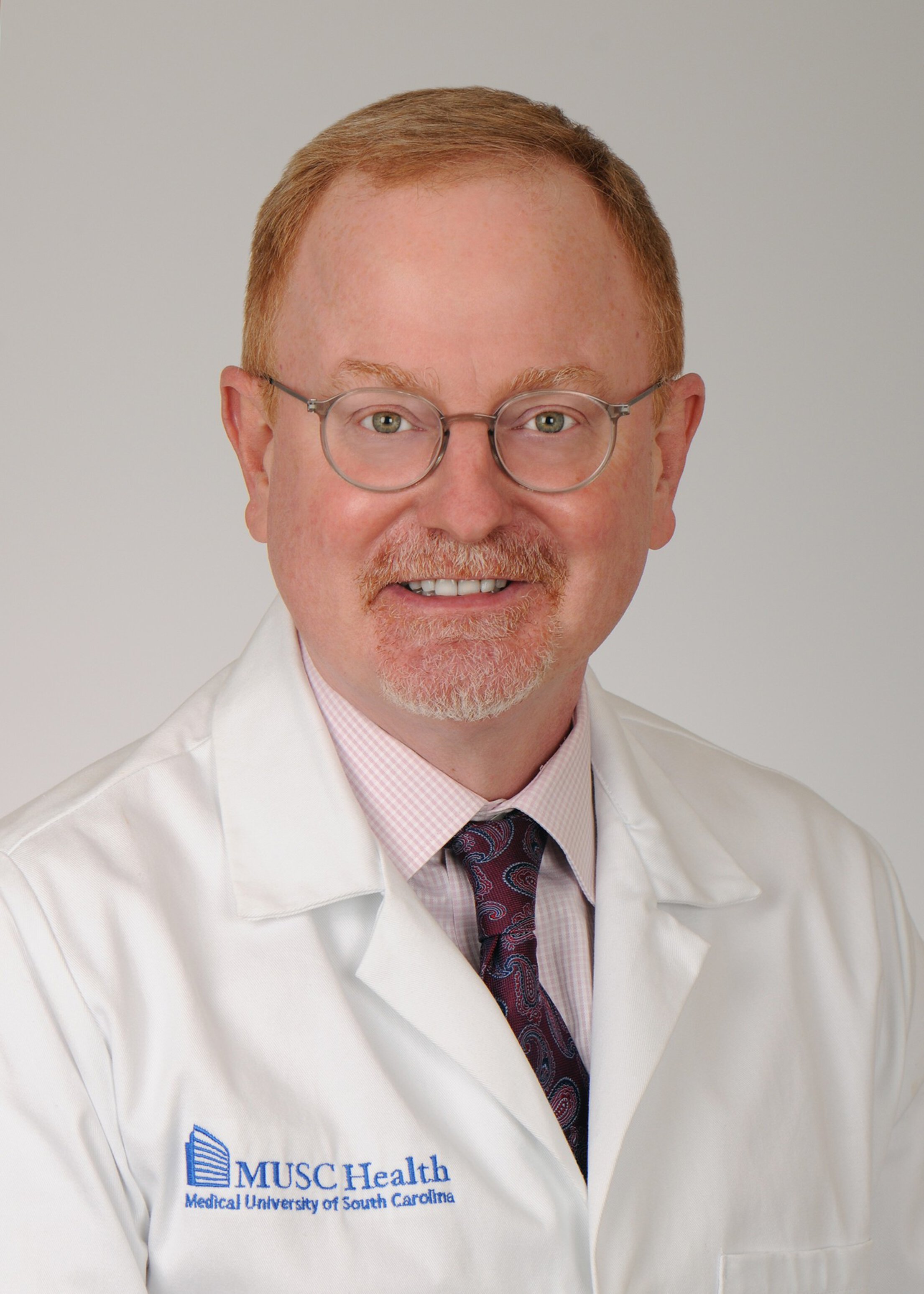
Robert F. Labadie
Professor and Chair, Department of Otolaryngology, Head & Neck Surgery
Dr. Labadie is an otolaryngologist, also known as an ear, nose, and throat doctor, who specializes in treatment of ear diseases and has a passion for cochlear implants which are implantable, electronic devices which restore hearing to patients with certain forms of deafness. In addition to being a medical doctor, Dr. Labadie has a PhD in bioengineering and has used that skill set to design and perform studies to improve outcomes for patients with cochlear implants.
A native of Pittsburgh, Pennsylvania, he went to college at the University of Notre Dame where he studied mechanical engineering and returned home to do both his MD and PhD at the University of Pittsburgh. He then completed residency in otolaryngology-head and neck surgery at the University of North Carolina at Chapel Hill following which he joined the faculty at Vanderbilt University in Nashville, Tennessee where he practiced for 20 years before being recruited to MUSC to become the chair of otolaryngology in January of 2022.
Dr. Labadie is the author of more than 175 peer-reviewed papers, more than a dozen patents, multiple book chapters, and a textbook on image-guided surgery. He has presented his research nationally and internationally and has ongoing support from the National Institutes of Health for his research. He is a member of The American Academy of Otolaryngology-Head and Neck Surgery and a fellow of The American College of Surgeons, The American Otological Society, The American Neurotology Society, The Triological Society, and the international group Collegium Oto–Rhino–Laryngologicum Amicitiae Sacrum.