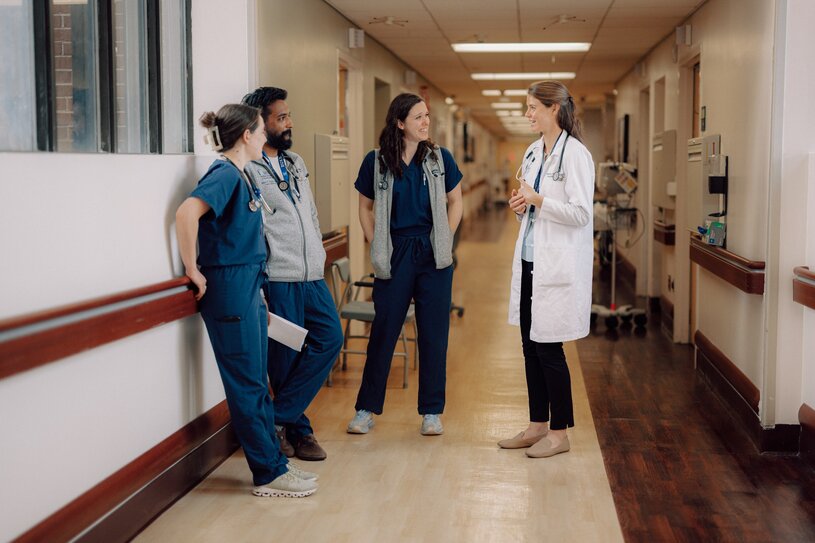

Advances in Clinical Care
This was a year of substantial growth and expansion.
Learn more about highlights in our program offerings to support engagement and wellbeing in FY26.

Listening, responding and building a healthier workplace
Well-being often begins with listening and acting on what we hear.
This year, the Annual People Survey and division listening sessions gave us a clearer view of the factors that shape our employees’ daily experience. Across the Department of Medicine, faculty and staff consistently identified work-life harmony as our leading shared challenge.
They described difficulty disconnecting after hours, communication gaps, high inpatient workloads, heavy ambulatory Epic inbox volume, inefficient paging and expectations of constant availability. We used those insights to focus on changes that make work more sustainable.
Through Getting Rid of Stupid Stuff, an initiative to eliminate unnecessary work, we are simplifying workflows, reducing after-hours Epic tasks and strengthening operational support. We also expanded Stress First Aid for Leaders, which helps managers recognize strain early, build trust and connect team members with support.
Support should be easy to find. We expanded our peer support network to include more physicians and basic science faculty, while Orange Huddle offers another way to seek help. Lyra Health will give MUSC employees and their families around-the-clock access to mental health professionals, coaching, counseling and work-life resources, including on-site support after critical incidents.
These advances move us from identifying challenges to addressing them. In the coming year, we will continue to use employee feedback to guide practical improvements, help leaders support their teams and make care easier to access. Well-being strengthens our work in patient care, education and discovery.
Together, we are creating a department where people feel heard, valued and supported, a department where everyone matters.
Warm regards,
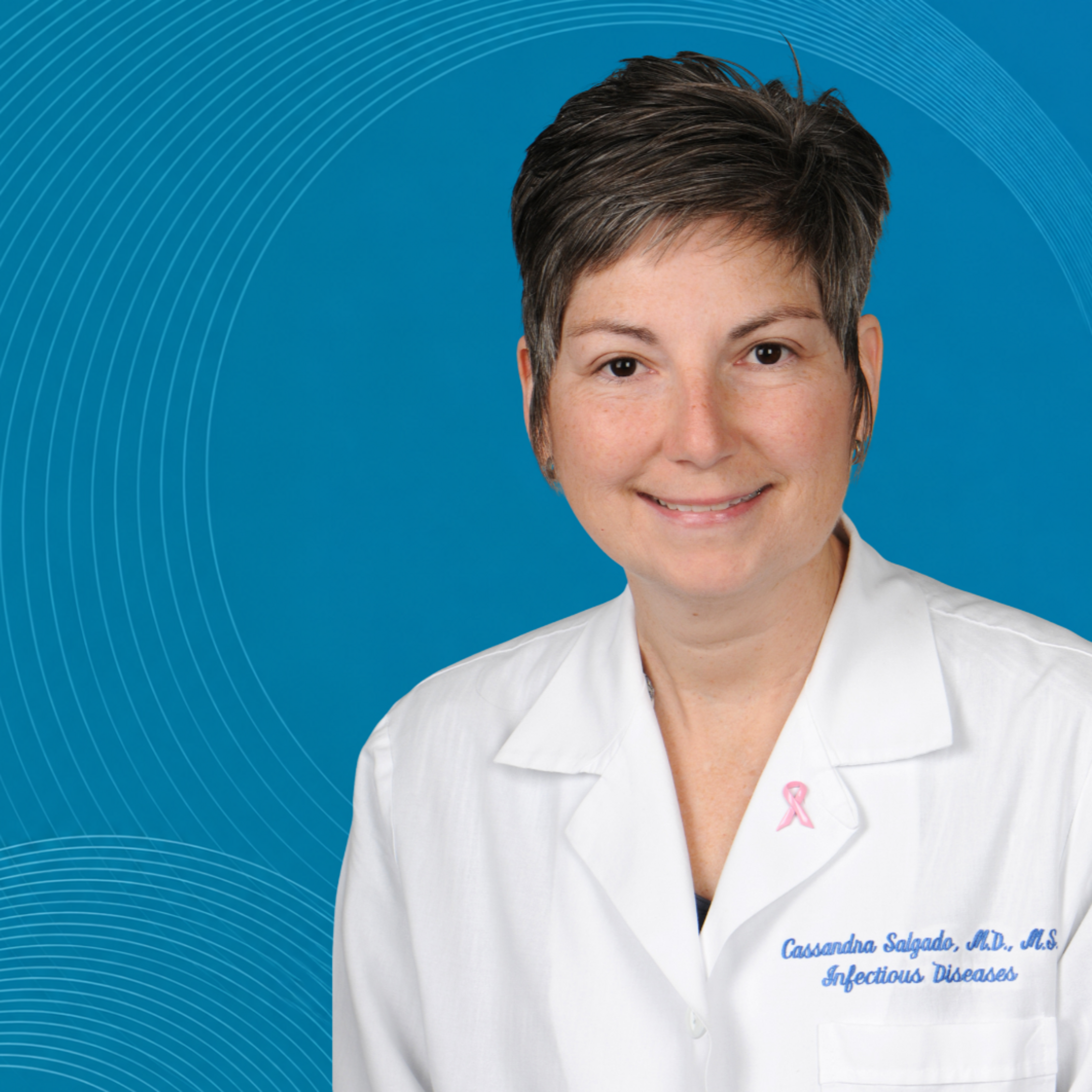
Cassandra Salgado, M.D., MS
Vice Chair for Wellness and Academic Integration
Department of Medicine
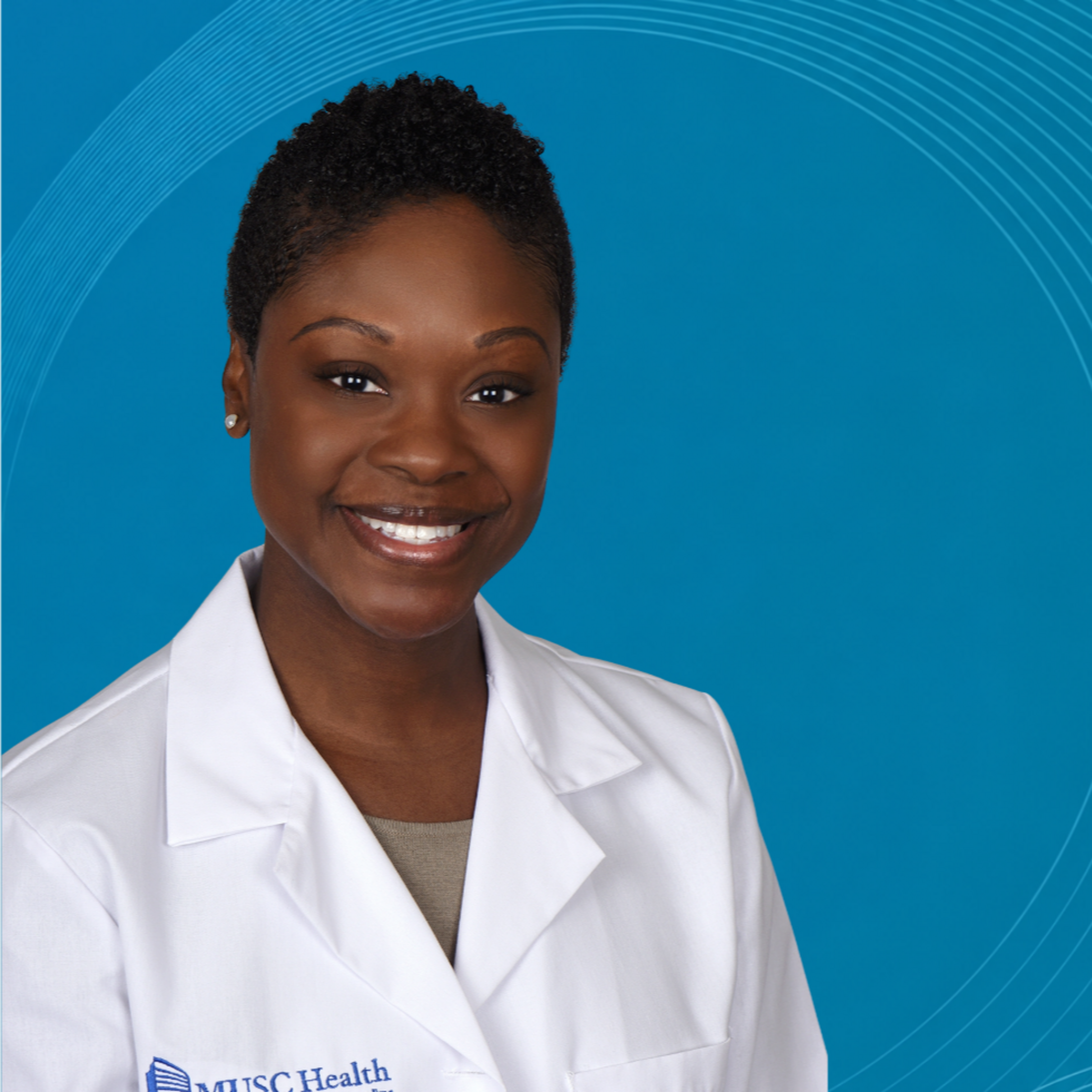
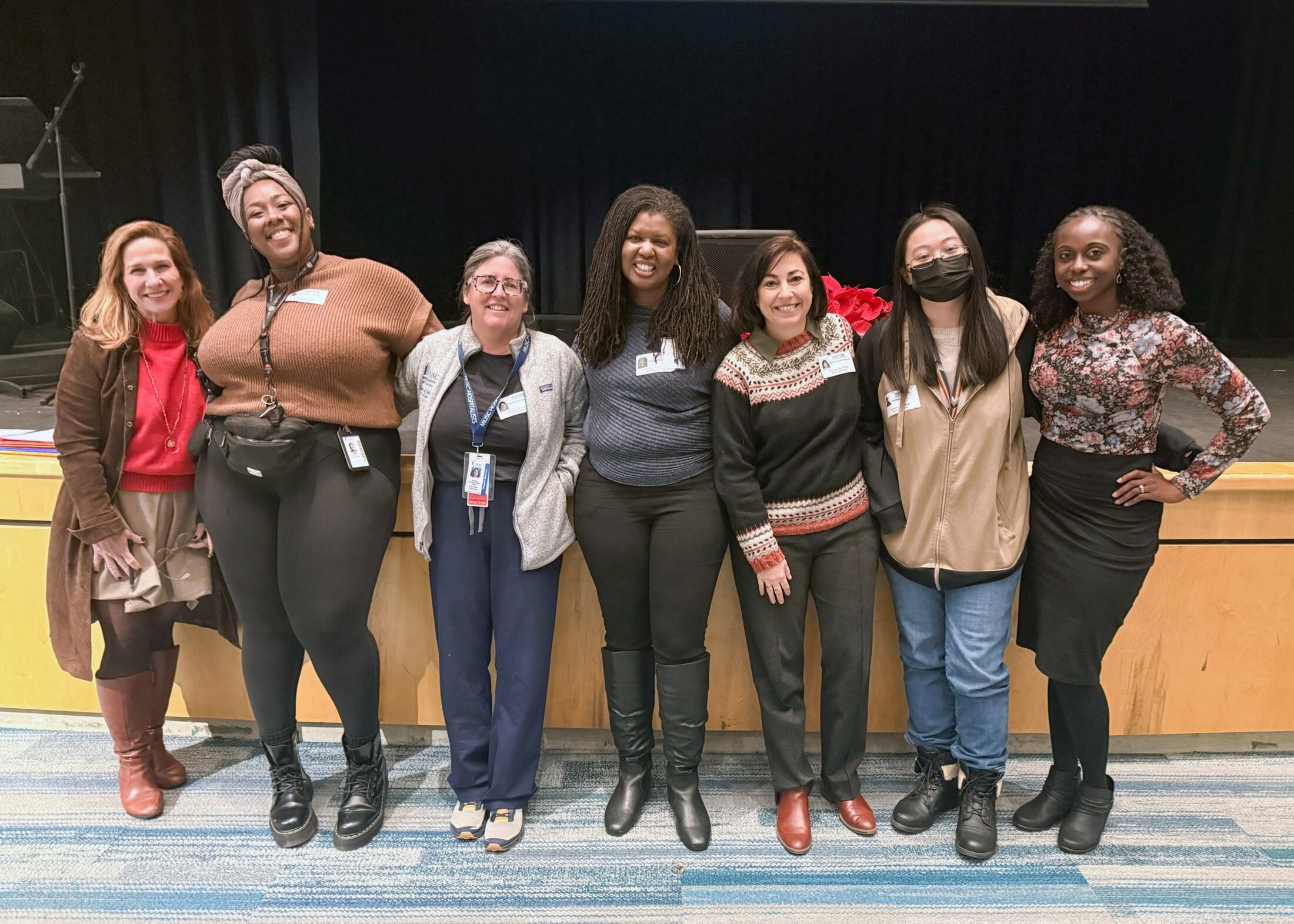
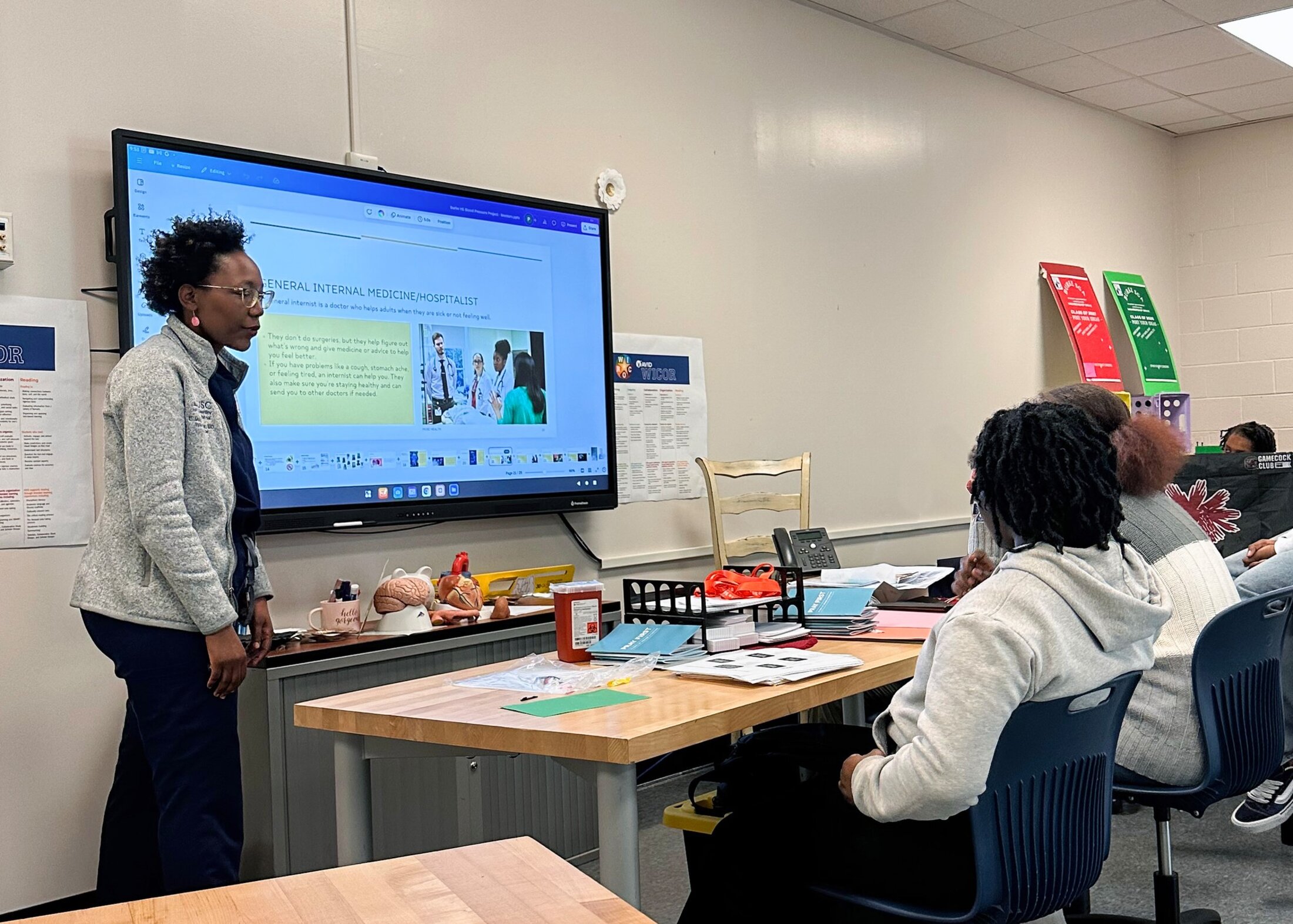
As vice chair for faculty engagement, I am proud of our department’s progress in building meaningful partnerships across MUSC and throughout our community. Faculty and staff participation continues to grow, and trainees remain essential to our outreach.
Collaborations with student organizations have expanded mentoring opportunities and helped us cultivate talented future health care professionals within our institution.
We are equally committed to fostering a culture where every team member feels valued, respected, and empowered to contribute.
This year, we launched our first staff support group to strengthen connections among staff. We expanded Department of Medicine Awards Day recognition with three new awards honoring colleagues who demonstrate MUSC’s core values through their work. We also completed a departmentwide recruitment database to support internal recruitment and connect candidates with opportunities across the department.
We are equally committed to fostering a culture where every team member feels valued, respected, and empowered to contribute. Improving health outcomes starts with understanding the communities we serve. Our faculty, staff and trainees continue to deepen those relationships while advancing patient care, education and research. Our partnerships within the community continue to strengthen and we look forward to new collaborations on the horizon.
It is a privilege to work alongside colleagues who bring such dedication to our shared mission. Together, we are improving health through innovation, education and meaningful engagement.
Aundrea Loftley, M.D.
Vice Chair for Faculty Engagement
MUSC Department of Medicine 2026 Annual Report
This was a year of substantial growth and expansion.
Discover a community where exceptional patient care, groundbreaking research, and transformative education come together to advance the future of medicine.
This year has been one of remarkable growth and continued excellence in medical education.

This year, several faculty members assumed key leadership roles across the broader university and health system.
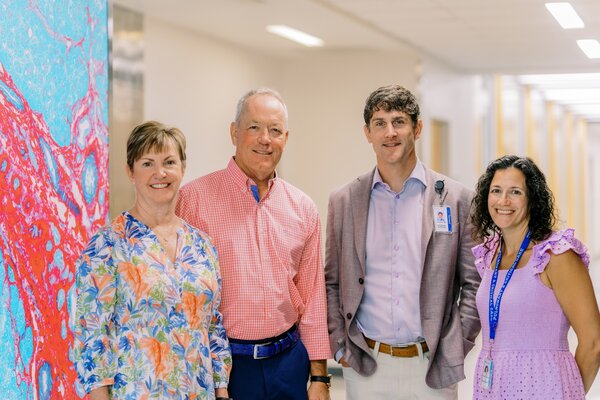
Through their generosity at the Heart and Vascular Dinner and their support of research in cardiology and sarcoidosis, our donors are advancing discoveries, improving lives, and making a lasting impact on the future of medicine.
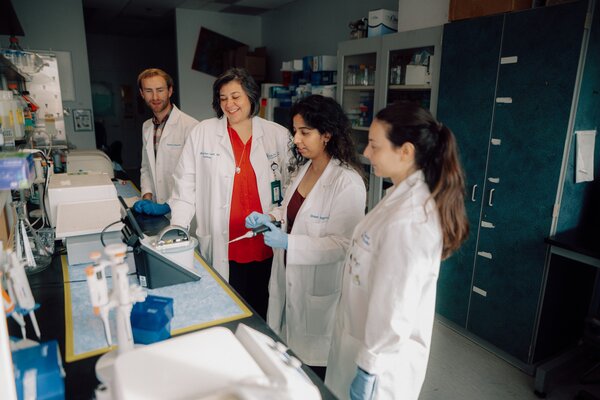
Learn more about the recent advances in basic, clinical and translational research.