
Excellence in Education

Explore a year of progress in medical education, including curriculum enhancements, expanded training opportunities and achievements by our faculty, residents and students.

Medical Education

The Department of Medicine continues its intensive investment in advancing educational programs at both the graduate and undergraduate levels. Department faculty contribute extensively to medical student education in both the basic science and clinical clerkship years and directly supervise the training of over 200 residents and fellows each year.

Undergraduate Medical Education 

Under the leadership of Clerkship Director Maggie Thomas, M.D., MPH, MS, Department of Medicine faculty help more than 300 third- and fourth-year medical students each year build the knowledge, confidence and clinical judgment needed to care for patients. As teachers, mentors and advisors, faculty create meaningful learning experiences in the classroom and alongside patient care teams. 


That commitment continues to inspire interest in internal medicine. In the 2026 Match, 28 graduates, or 17.5%, entered categorical internal medicine, internal medicine-pediatrics or internal medicine-psychiatry programs. 


Curriculum Innovation


The department continues targeted efforts to increase the number of students entering internal medicine in response to workforce needs in primary care and key subspecialties. Curriculum updates include: 

  • More active clinical learning. The third-year clerkship reduced lectures, expanded interactive subspecialty-led sessions and adopted an Academic Half-Day model that preserves afternoons for patient care. 
  • Stronger assessment and support. Course objectives and the end-of-clerkship clinical skills examination were updated to align with AAIM recommendations with greater emphasis on clinical reasoning. An early AMBOSS quiz helps identify students who may need additional support before the subject examination.
  • Skills across the curriculum. Point-of-care ultrasound expanded from a core clerkship component into a longitudinal learning experience during the Immersion phase of the curriculum (year 3). After earning Advanced Cardiovascular Life Support certification, students also participate in a rapid response experience. 
  • Evidence-based practice and artificial intelligence. The evidence-based medicine requirement now introduces AI-supported search tools while teaching students to recognize their limitations in clinical care. 
  • Expanded sub-internship experience. A pilot program adds direct patient care teams to the competitive fourth-year sub-internship, increasing one-on-one attending learning for FY27.

Career Advising 


Under the leadership of Marc Heincelman, M.D., MPH, associate dean for career advising in the College of Medicine, six funded Careers in Medicine specialty advisors support students pursuing internal medicine: Kathryn Anderson, M.D.; Jamel Brown, M.D.; Susan Evenhouse, M.D.; Aundrea Loftley, M.D.; Keri Holmes-Maybank, M.D.; and Andrew Schreiner, M.D., MSCR. 
Graduate Medical Education

The Internal Medicine Residency Program, led by Ashley Duckett, M.D., expanded its curriculum, strengthened its core faculty, and broadened community-based training during the 2025-2026 academic year. In FY26, the program trained 108 residents, including 16 in medicine-pediatrics and 10 in medicine-psychiatry.
Successes and Highlights:

  • Enhanced Community Engagement: The program expanded the Health Disparities elective and continued its collaboration with the Shifa Clinic, pairing longitudinal learning with direct service to communities that have limited access to care. 
  • Faculty and leadership growth: Thompson Barr, M.D., and Nancy Hagood, M.D., joined the program's core faculty, and Courtney Harris, M.D., was named associate program director. 
  • Recruitment Success: The program sustained recruitment initiatives that attract applicants from a wide range of academic, geographic, and personal backgrounds. 
  • Comprehensive POCUS Training: The curriculum integrates Point-of-Care Ultrasound (POCUS) across rotations, delivering hands-on training in intensive care units, inpatient wards, pulmonary consult services, and ambulatory blocks. 
  • Innovative Clinical Electives: Residents partner with faculty to design electives aligned with their career interests, including new rotations in global health, ultrasound, hospital medicine, and the cardiovascular ICU. 
  • Dedicated Research Opportunities: Residents who identify a mentor and a defined project may pursue a dedicated research block, which regularly yields regional and national conference presentations and peer-reviewed publications. 
  • 2026 Residency Match Day: The program filled its 2026 Match with 35 incoming residents, who will begin training at MUSC in the 2026-2027 academic year. 

Post-Residency Career Paths

Program graduates successfully compete for prestigious fellowship opportunities nationwide or pursue careers as general internists. In the 2025 fellowship match, 23 residents secured positions in competitive subspecialty programs beginning in July 2026, including 10 who remained at MUSC to continue their training.

View graduates and next steps
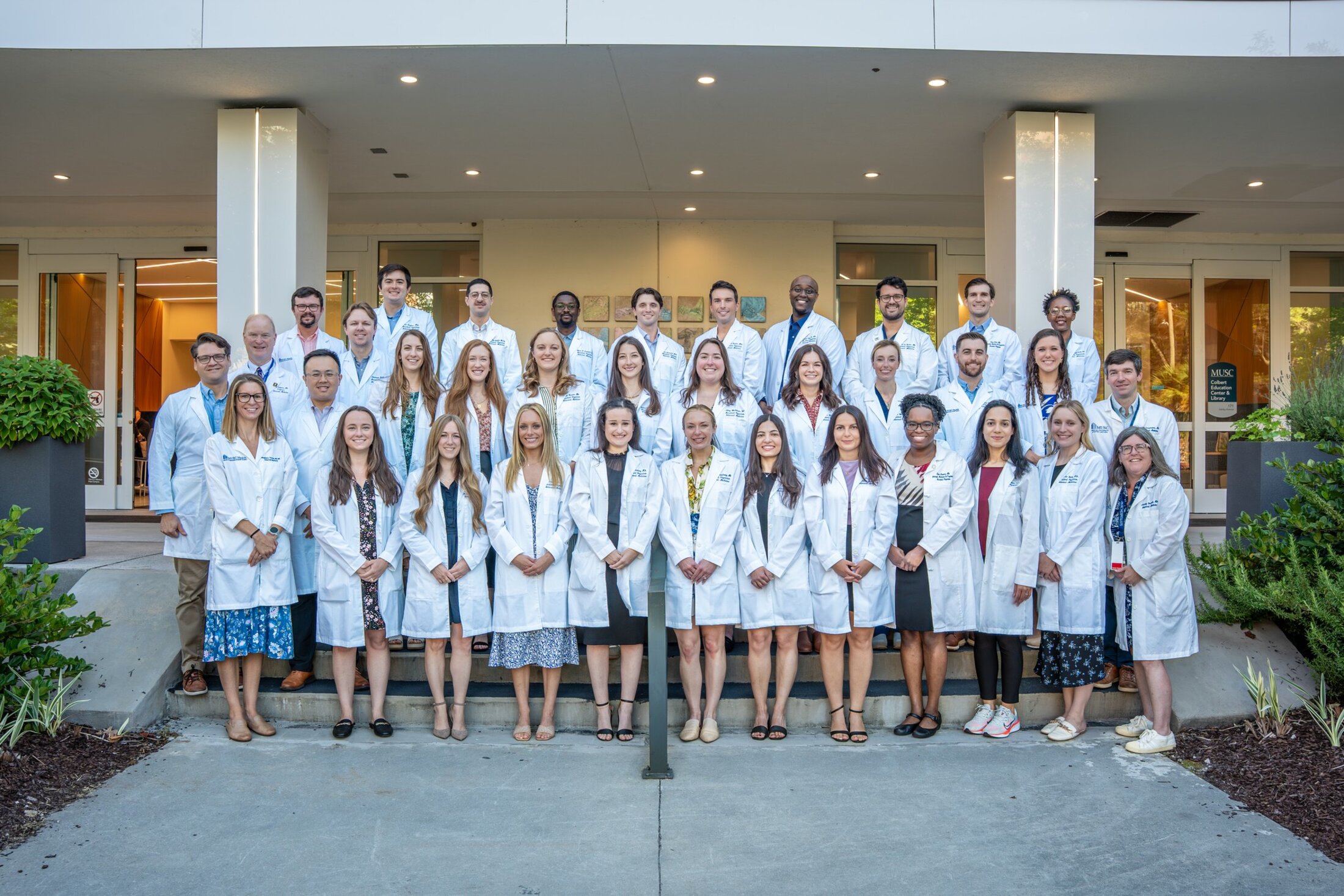
Graduating 2025-26 Internal Medicine residents in white coats with program directors
2025-26 Internal Medicine Resident Graduating Class

Resident Scholarship on a National Stage

Department of Medicine residents shared their research and clinical scholarship at regional, national and international meetings throughout FY26. Collectively, they delivered 89 presentations at 29 scientific meetings, including 66 poster presentations and 23 oral presentations, and contributed to 60 publications.

Residents presented at leading conferences hosted by the American Heart Association, American College of Cardiology, American Society of Clinical Oncology, Society of General Internal Medicine, European Society for Medical Oncology and American Thoracic Society, among others.

Conference Highlights

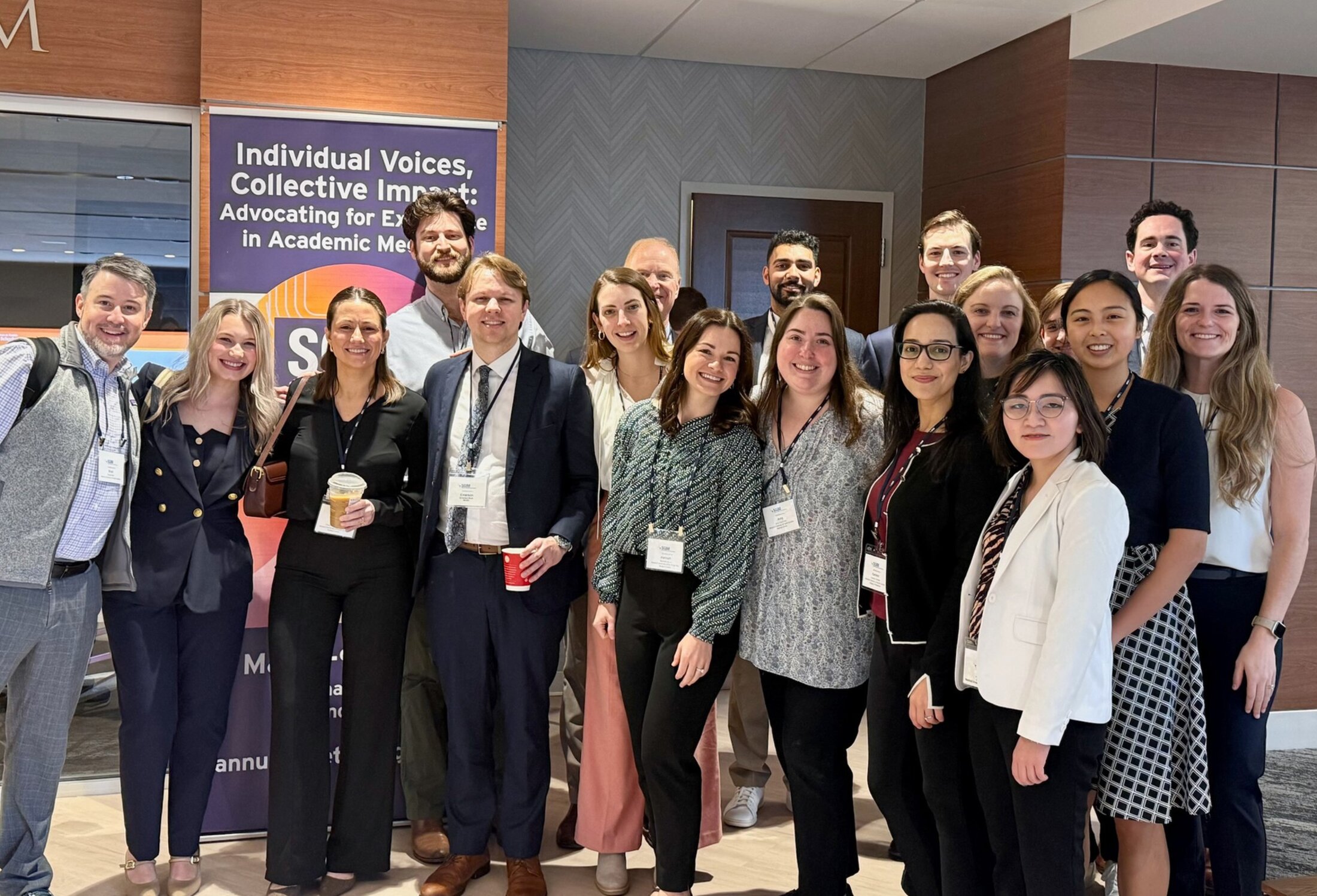
  • 2026 Society of General Internal Medicine Southern Regional Meeting: 17 residents presented their work and engaged with peers from across the region.
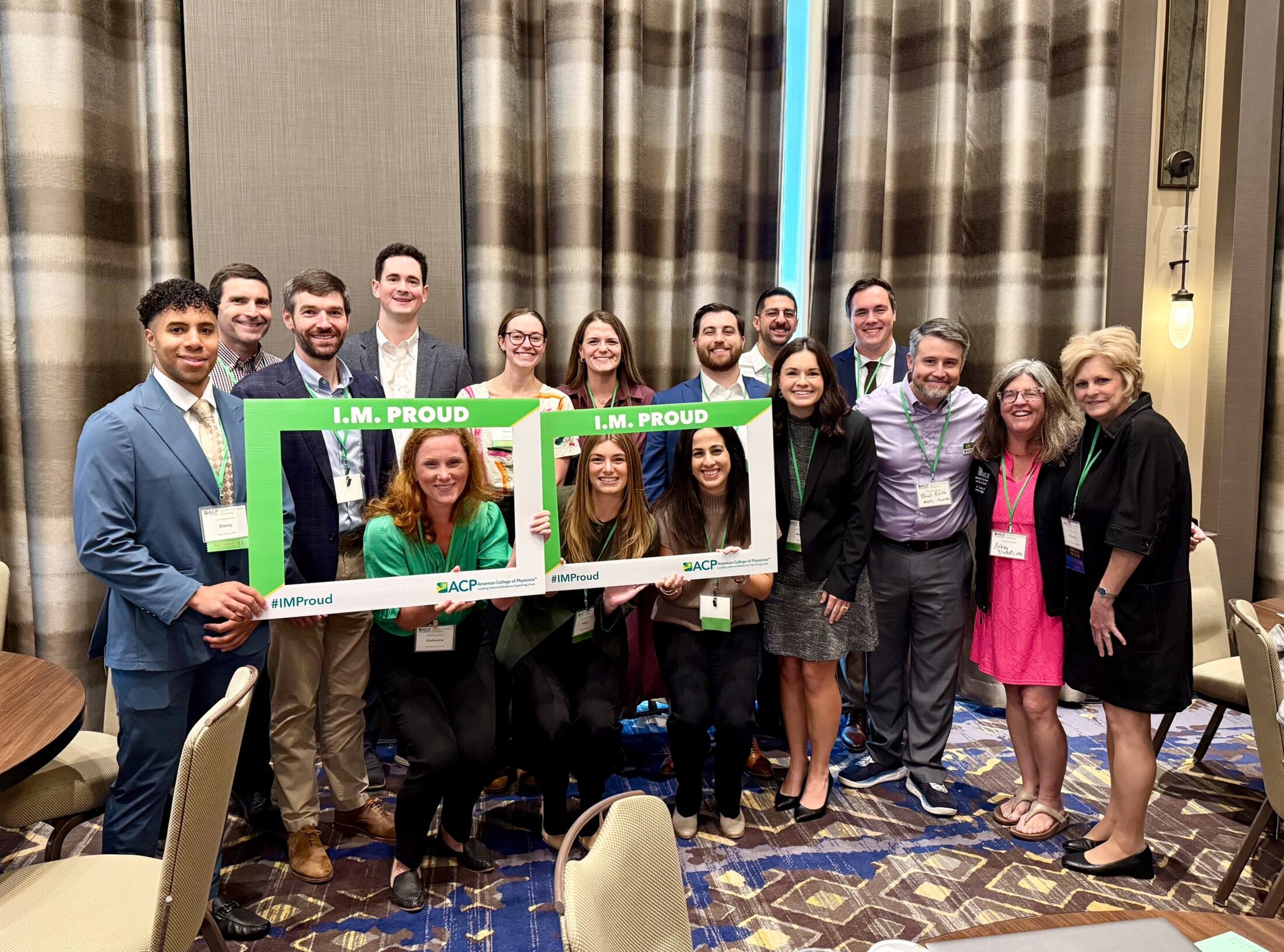
  • 2025 American College of Physicians South Carolina Chapter Annual Scientific Meeting: 12 residents delivered poster and oral presentations. Three residents were named abstract competition finalists:
    • Danny Nixon, M.D. - “Hidden in the Herb: A Case of Liver Injury Complicated by Acute Renal Failure”
    • Taylor Davis, D.O. - “Act Fast: PEN-FAST Utilization for Penicillin Allergy Evaluation in a Case of Ocular Syphilis”
    • Scott McCraney, M.D. - “Tacrolimus-Induced Disseminated Intravascular Coagulation: First Reported Case in Transplant Medicine”
Team of residents and leadership holding I.M. Proud signs at the ACP chapter meeting
2025 SC ACP Chapter Meeting
Residents and leadership members in front of SGIM conference sign
SGIM Regional Meeting 2026

Advancing Global Health Education  

Nancy Hagood, M.D., MPH, developed and implemented a new Global Health Education Curriculum for the Department of Medicine, built in partnership with Muhimbili National Hospital in Dar es Salaam, Tanzania. The curriculum gives residents and fellows structured, longitudinal training in global health, helps attract trainees drawn to the field, and expands MUSC's international collaborations. Dr. Hagood received the inaugural 2025 DOM Chairman's Education Innovation Award to support the project. 

Dr. Hagood joined the Division of Hospital Medicine in 2024 as an academic hospitalist and assistant professor. She now directs Global Health Education for both the College of Medicine and the Department of Medicine, serves as a Master Clinical Skills Teacher and Associate Director of the Longitudinal POCUS Curriculum, and belongs to the College of Medicine Academy of Medical Educators. She brings more than a decade of global health experience in Haiti. 

Nancy Hagood, M.D.

Notable Awards and Honors

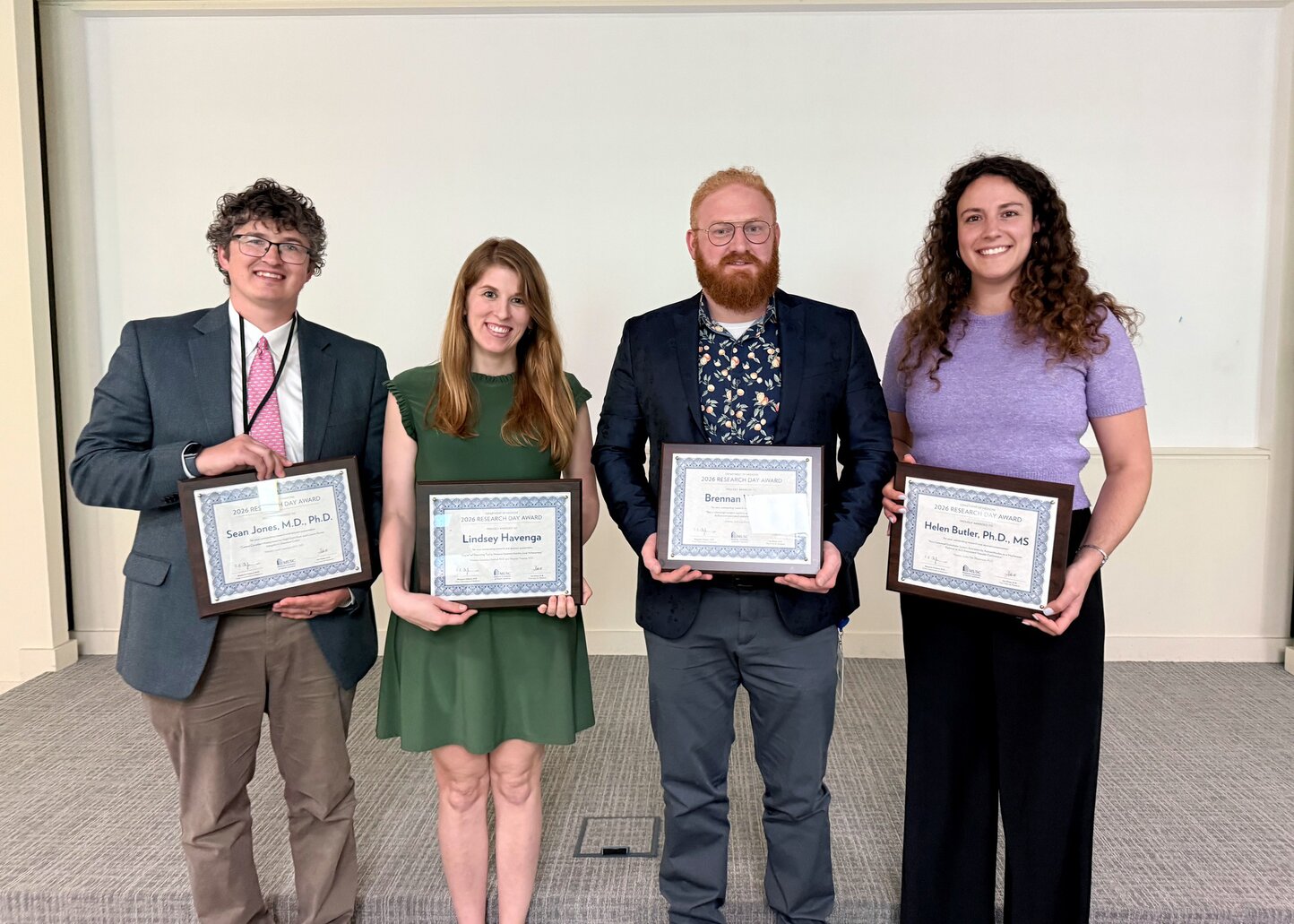
MUSC 2026 Faculty Teaching Excellence Award Winners:

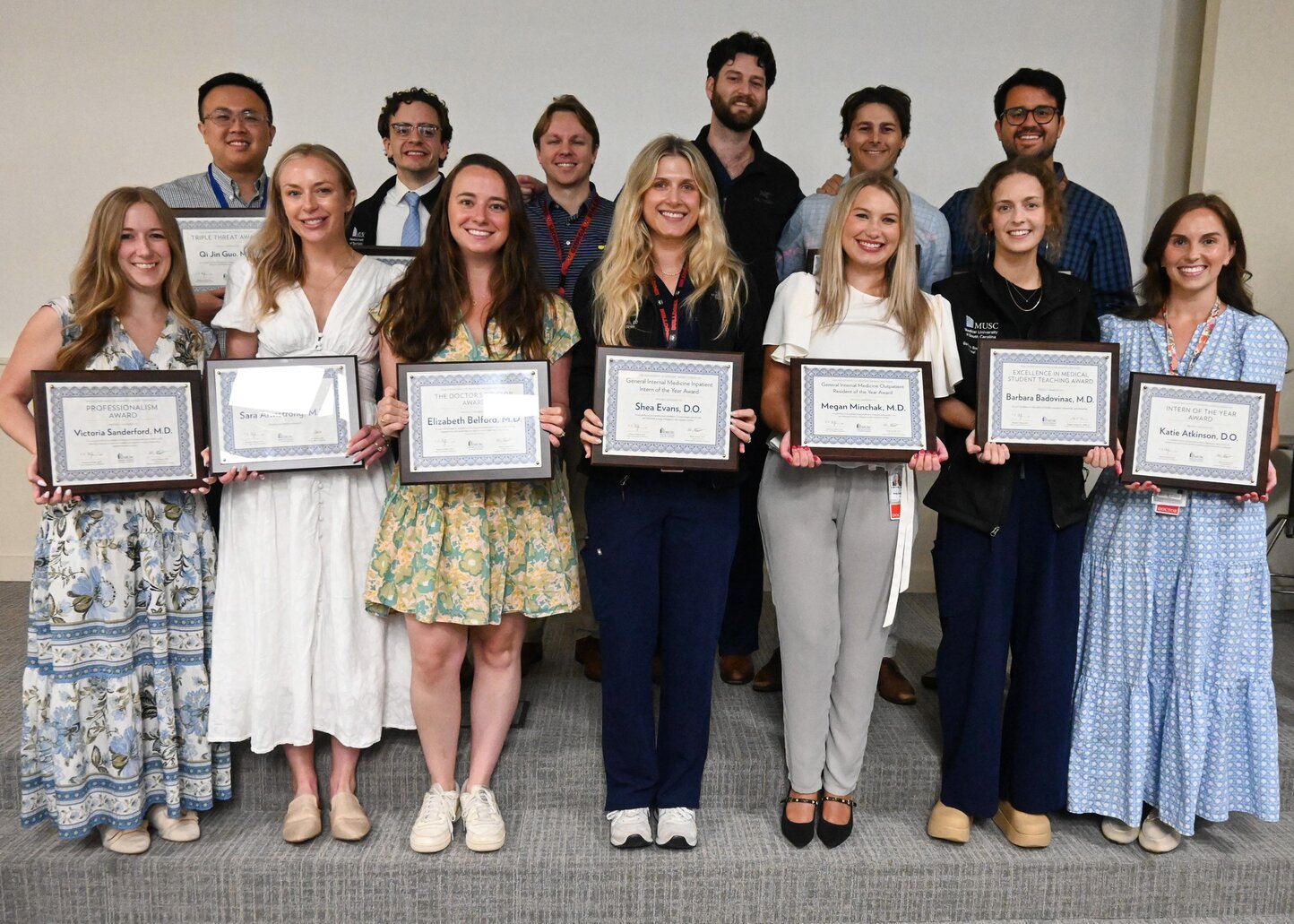
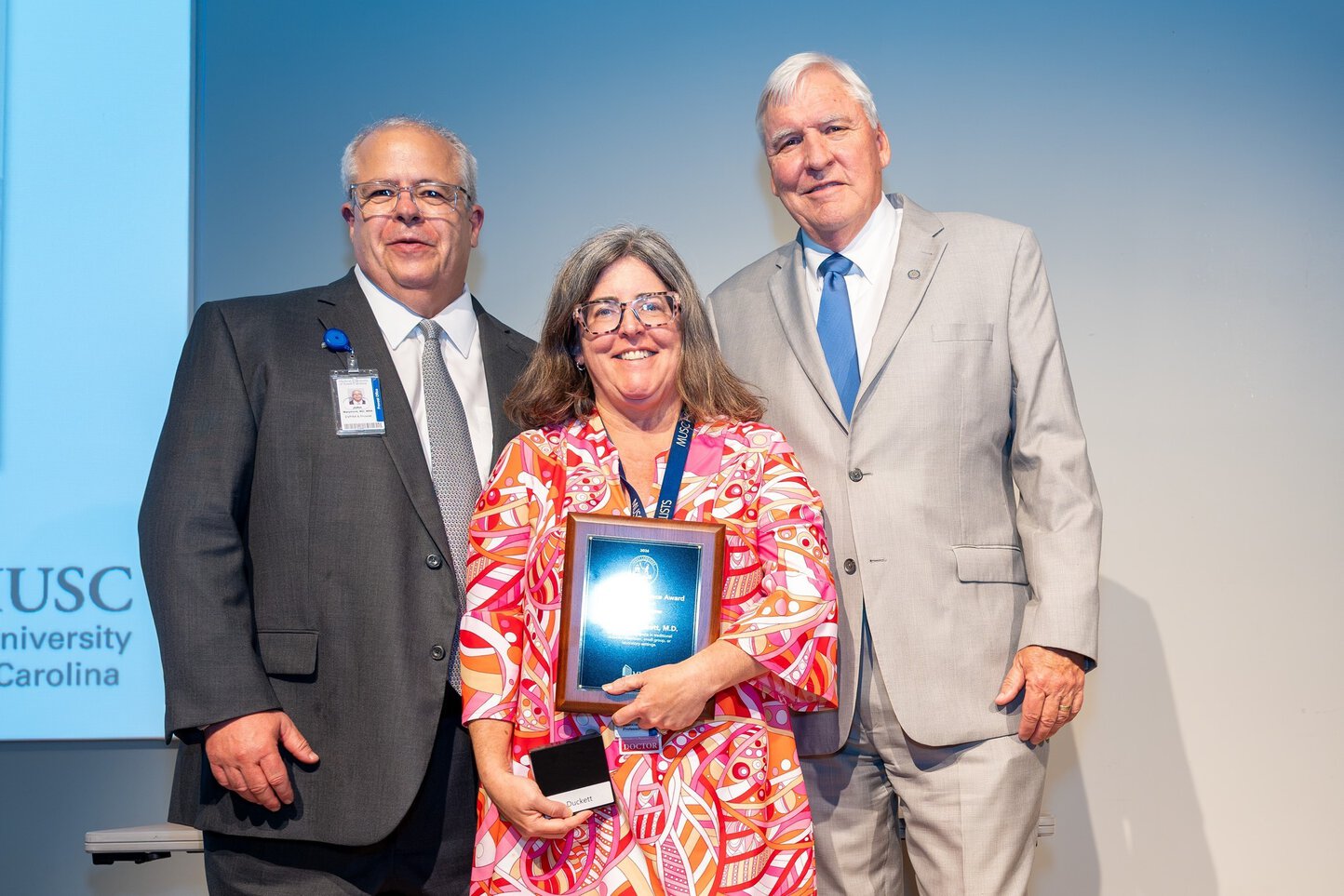
  • Ashley Duckett, M.D., IM Residency Program Director, received the 2026 MUSC Teaching Excellence Award (Educator Lecturer category)
  • Courtney Harris, M.D., IM Residency Associate Program Director and Transplant Infectious Disease Fellowship Director, received the 2026 MUSC Teaching Excellence Award (Developing Teacher category)

2026 Golden Apple Award Winners:

  • Aundrea Loftley, M.D. -Preclerkship Teaching Excellence Award (HRR Theme)
  • Paul McDermott, M.D. - Teacher of the Year & Preclerkship Teaching Excellence Award (SFP Theme)
  • Meghan Thomas, M.D., MS - Clinical Preceptor Excellence in Teaching Award – Faculty
  • Michael Vinzani, M.D. - Clinical Preceptor Excellence in Teaching Award – Resident

Fellowship Training

The Department of Medicine offers fellowship programs across nine divisions, providing advanced subspecialty training for careers in clinical practice, medical education, and research. In FY26, our faculty trained 114 fellows across 18 ACGME-accredited and 4 non-accredited programs.

Expanding Opportunities in High-Impact Fields

Over the past two years, the department added four fellowships in Diabetes, Inflammatory Bowel Disease (IBD), Interventional Pulmonology, and Transplant Infectious Diseases, strengthening training in areas of rising clinical need and creating new pathways for specialized expertise and discovery. The department also expanded faculty mentorship and established fellowship interest groups for trainees considering subspecialty careers, and incorporated program signaling into fellowship recruitment.

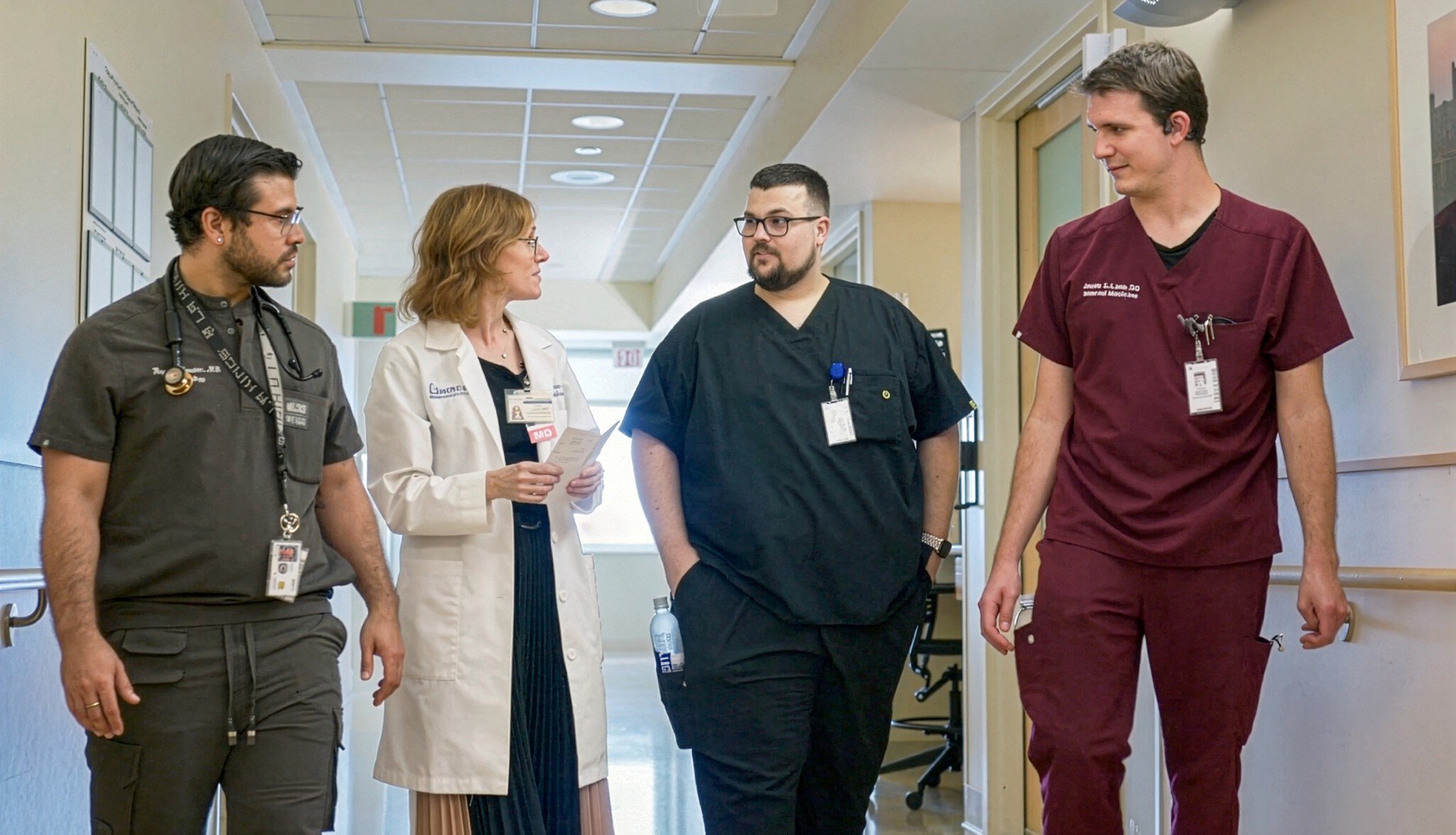
Attending and fellows walking down hallway in hospital

Learn more about Fellowships