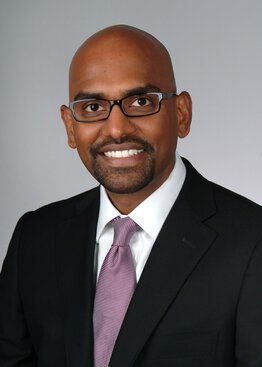
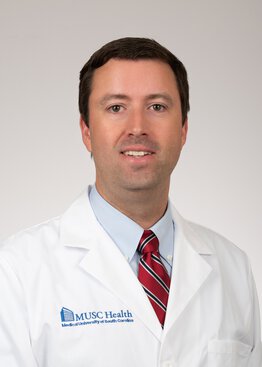
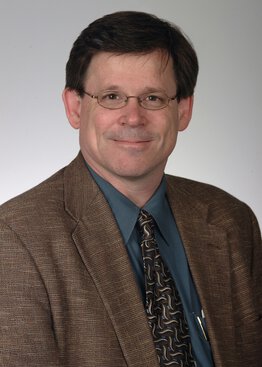
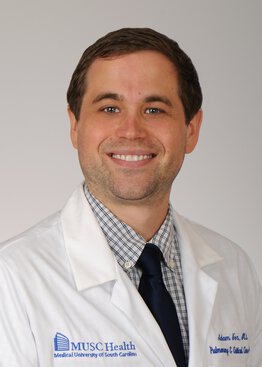
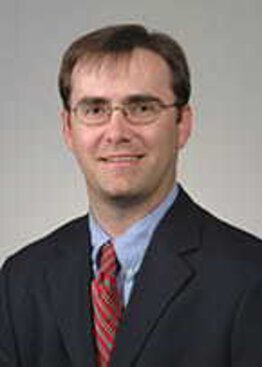
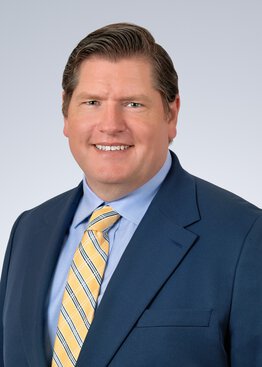
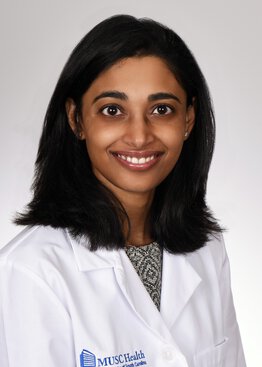
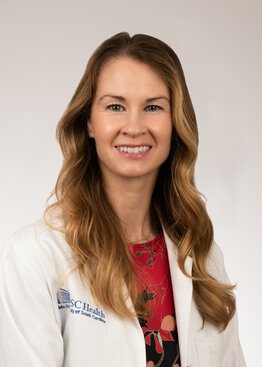
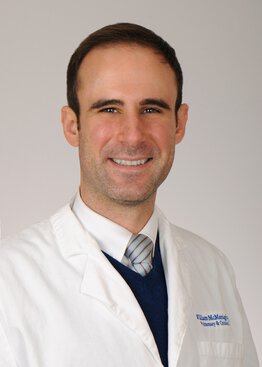
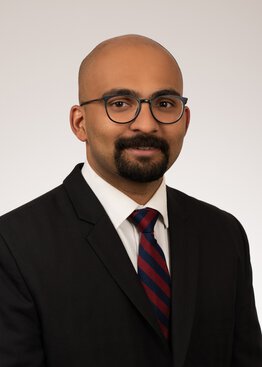
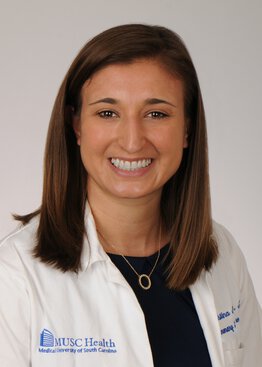
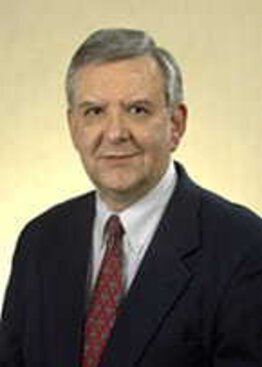
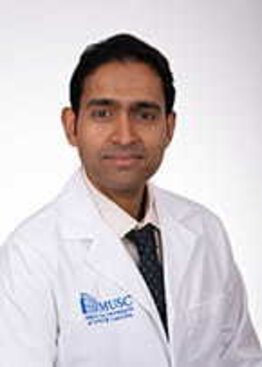
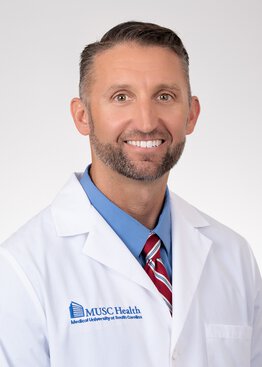
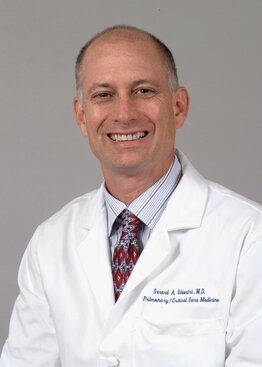
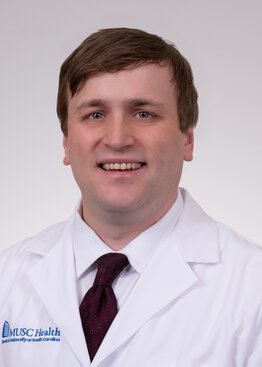
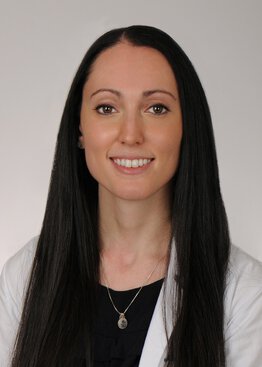
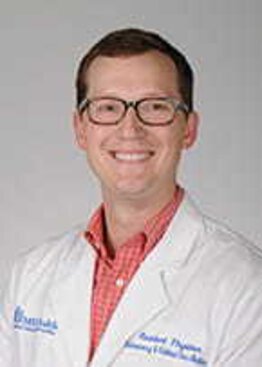
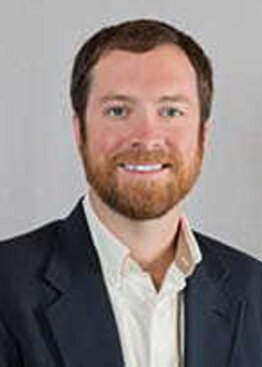
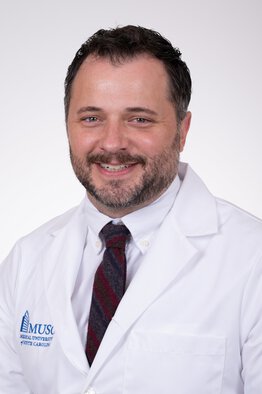
Rahul Argula, M.D., MPH, is board certified in pulmonary diseases and critical care. He works together with multiple providers within the MUSC system to provide inter-disciplinary care for patients with pulmonary hypertension and other advanced lung diseases. He is the director of the MUSC pulmonary vascular disease program, where patients with a multitude of pulmonary vascular diseases such as pulmonary hypertension, pulmonary vasculitides, pulmonary arterio-venous malformations, etc. are cared for. The MUSC pulmonary vascular disease program is the only one in the state of South Carolina that is designated as a comprehensive care center for patients with pulmonary hypertension by the PHA (Pulmonary Hypertension Association).
Dr. Argula's research interests include pulmonary hypertension, pulmonary vascular disease in the setting of connective tissue disease, interstitial lung disease, end-stage renal disease and sarcoidosis. His clinical interests include pulmonary arterial hypertension(PAH), chronic thrombo-embolic pulmonary hypertension (CTEPH), pulmonary vascular disease in the setting of advanced liver disease, end stage renal disease, COPD, and interstitial lung disease.