Sleep Medicine Fellowship

book_2 Learning Mode: Residential
Sleep medicine training

Program Overview

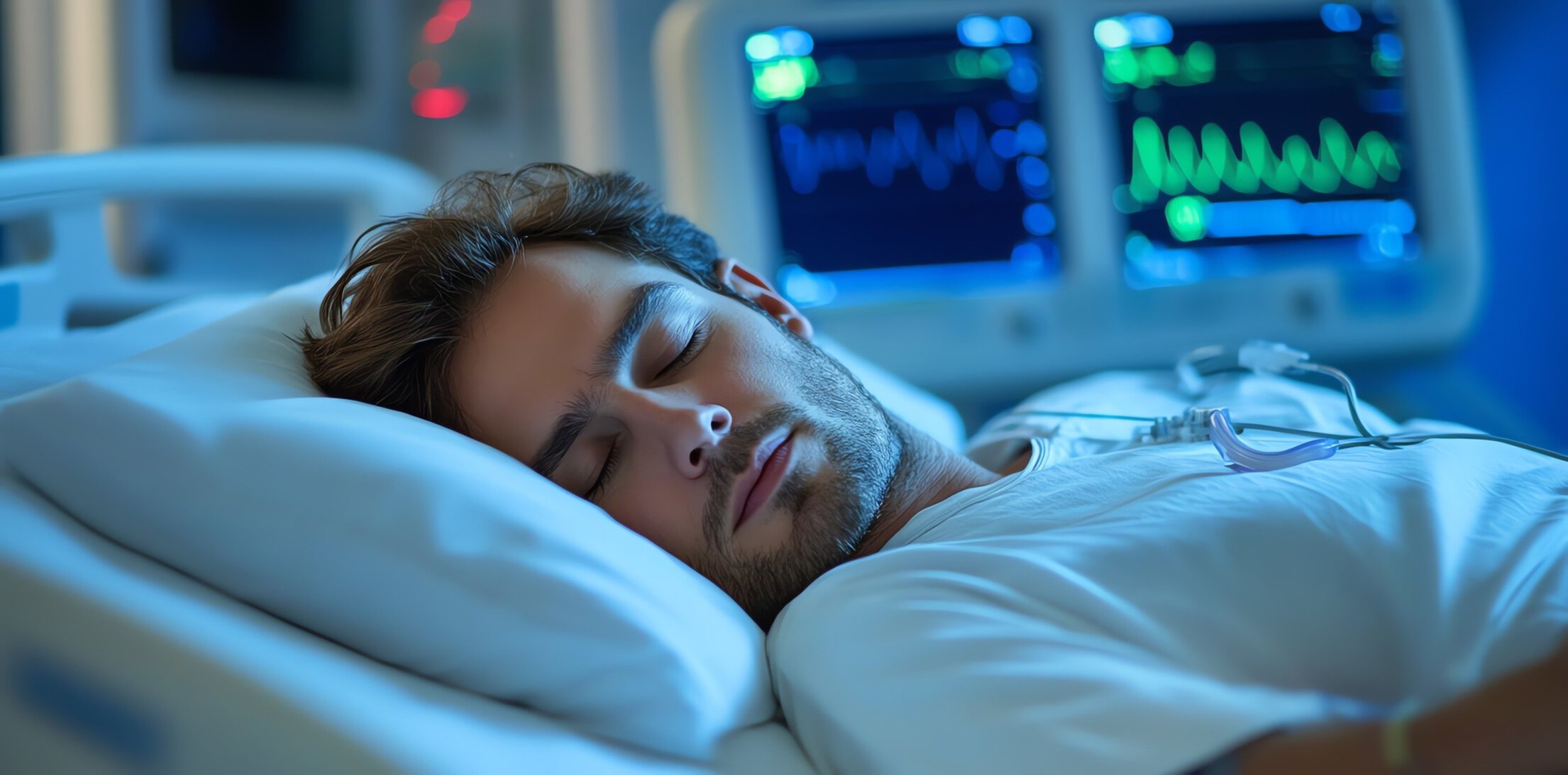
The MUSC Sleep Medicine Fellowship is a one-year, ACGME-accredited training program designed for physicians who are ready to lead in one of medicine's most dynamic and underserved specialties. Based in Charleston, South Carolina, and directed by Lumi Tudor, M.D., the program combines the clinical depth of a major academic medical center with the breadth of a truly comprehensive sleep medicine curriculum.

Why MUSC for Sleep Medicine Fellowship Training?

As South Carolina's only comprehensive academic health system, MUSC's mission is singular: preserve and optimize human life through education, research, and patient care. With more than 3,200 students across six colleges and 900+ residents and fellows trained annually, it's a genuinely interdisciplinary environment where collaboration across specialties is daily practice — delivering clinical exposure, mentorship, and training depth that few programs in the country can match.

Comprehensive Clinical Exposure Across the Full Spectrum of Sleep Disorders

Fellows gain experience caring for patients across the lifespan and managing the full spectrum of sleep disorders, including:

  • Obstructive and central sleep apnea
  • Chronic insomnia
  • Restless legs syndrome
  • Circadian rhythm sleep-wake disorders
  • Parasomnias
  • Narcolepsy and idiopathic hypersomnia

Multidisciplinary training includes dedicated experiences in:

  • Otolaryngology and sleep dentistry
  • Neurology and movement disorders
  • Neuromuscular pulmonary medicine
  • Obesity medicine and hypoglossal nerve stimulation
  • Cognitive behavioral therapy for insomnia (CBT-I)

A structured curriculum integrates clinical training, didactics, scholarly activity, and mentorship to prepare fellows for independent practice and leadership in the field.

Fellows train across multiple sites throughout Charleston, including MUSC University Hospital and the Ralph H. Johnson VA Medical Center, and are encouraged to engage in medical education, community outreach, and public health initiatives that advance sleep health beyond the clinic.

Program Highlights

Upon completion of the fellowship program, the graduate will be able to:

  • Provide high‑quality, evidence‑based, and patient‑centered care in sleep medicine.
  • Demonstrate professionalism, ethical practice, and effective interprofessional collaboration.
  • Communicate clearly and empathically with patients and families and provide effective education.
  • Contribute to the education of trainees and engage in scholarly activity and critical inquiry.
  • Maintain a commitment to lifelong learning and continuous quality improvement.

Program Details

The training program exposes the fellows to patients at a number of different sites. At each site, the sleep medicine fellow is directly supervised by a board-certified sleep medicine faculty member.

MUSC Health Park West (Mount Pleasant, SC) serves as an outpatient facility for adult sleep medicine patients with various sleep medicine diagnoses.

MUSC Dantzler (North Charleston, SC) is a key ambulatory facility for adult sleep medicine and an area of growth for the practice. 

Ralph H. Johnson VAMC Sleep Clinic (Charleston, SC) serves as the site for veteran patients who obtain their sleep medicine care at VAMC Charleston.

MUSC University Hospital (Charleston, SC) allows for opportunities to perform in-patient sleep medicine consultations in medically complex adult patient population.

MUSC Children's R. Keith Summey Medical Pavilion(Charleston, SC) is the site for pediatric sleep medicine patient care.

The fellowship program uses several different conferences and journal clubs to educate the sleep fellows and to foster optimal patient care, interpersonal communication skills, collegiality and the ability to critically evaluate the medical literature.

Boot Camp

The academic year begins with a Sleep Medicine Boot Camp that introduces fellows to the fundamental concepts essential for clinical training. This structured orientation covers core principles of sleep physiology, sleep laboratory instrumentation, and the basic spectrum of sleep disorders. The boot camp provides a strong foundation that prepares fellows for clinical rotations, PSG interpretation, and participation in conferences throughout the year.

Weekly Sleep Didactic Lectures

Fellows participate in a weekly, one‑hour structured didactic curriculum that encompasses the comprehensive range of sleep medicine topics required to satisfy ACGME training competencies and to facilitate preparation for independent clinical practice in sleep medicine. The curriculum is delivered through a multidisciplinary educational framework, with instructional contributions from faculty specializing in adult and pediatric sleep medicine, neurology, pulmonary medicine, sleep dentistry, otolaryngology, psychiatry, psychology, and sleep technology.

Weekly Case Conference

Fellows participate in a weekly Case Conference that highlights interesting, complex, and foundational sleep medicine cases. Through structured discussion, they strengthen skills in differential diagnosis, interpretation of sleep testing, development of evidence‑based treatment plans, and effective patient counseling. The conference provides a collaborative forum for clinical reasoning, communication practice, and integration of multidisciplinary perspectives.

Monthly Journal Club

The fellowship includes two complementary Journal Clubs. The core Sleep Medicine Journal Club, attended by sleep faculty and fellows, focuses on landmark and contemporary studies central to clinical practice. Fellows lead structured critical appraisals and engage in scholarly discussion with faculty mentors. In addition, a monthly Multidisciplinary Journal Club brings together faculty from intersecting fields—including ENT, dentistry, pediatrics, and sleep technology—to review research relevant to collaborative care. This broader forum exposes fellows to diverse perspectives, fosters interprofessional dialogue, and highlights how evidence informs practice across specialties.

Other educational opportunities include participation in the Anxiety and Sleep conference, Pulmonary Fellows Research/Quality Improvement Conference and Internal Medicine, Pediatrics, Psychiatry or Neurology Grand rounds.


Sleep medicine fellows are supported in the design, execution, and completion of a scholarly activity project with the goal of producing measurable academic outcomes, such as abstract submission, scholarly presentation, or peer‑reviewed publication.

Structured, longitudinal mentorship is provided throughout the academic year to facilitate timely project completion, scholarly dissemination, and career development.

Mentors are assigned based on the fellow’s academic interests and professional goals, promoting individualized guidance, mentorship accountability, and the development of skills necessary for independent scholarship and lifelong academic engagement.

The MUSC Sleep Medicine program utilizes a variety of sleep centers to provide care to the adult, pediatric, and veteran population of coastal South Carolina:

MUSC Children’s Health Sleep Disorders Center: The Shawn Jenkins facility is a 4-patient AASM accredited sleep disorders center used to study sleep in children and infants.

University Hospital Sleep Disorders Center: The University Hospital facility is an 8-bed AASM accredited sleep disorders center used to study sleep and sleep disorders in adult patients.

VAMC Charleston Sleep Laboratory: The VAMC sleep laboratory is a 4-bed facility used to study veteran patients who seek their sleep medicine care at VAMC Charleston.

The fellows are supported to attend several sleep conferences that contribute to their training and enrichment including the annual Carolina Sleep Society meeting[, annual National Sleep conference, other sleep conferences pertinent to the fellows training.

How to Apply:

Applications for the MUSC Sleep Medicine Fellowship are submitted through the Electronic Residency Application System (ERAS). We participate in the Medical Specialties Matching Program for Sleep Medicine fellowships.

Eligibility Requirements:

To be considered, applicants must have:

  • Successfully completed residency training in Internal Medicine, Family Medicine, Pediatrics, Psychiatry, Otolaryngology (ENT), or Neurology — in a program accredited by the ACGME
  • Passed USMLE Step 3 (or the equivalent COMLEX Step 3) prior to the July 1 fellowship start date
  • A current ECFMG certificate, if applicable

Application Materials: 

  • CV
  • Personal statement
  • Three letters of recommendation
  • USMLE transcript, and/or COMLEX, and ECFMG status report (if applicable)

Key Dates:

  • September 1: All application materials due, including letters of recommendation
  • Late September – October: Interview period
  • July 1: Fellowship begin date

Our Fellowship Selection Committee seeks candidates who demonstrate strong academic achievement, well-developed clinical skills, and a clear commitment to professionalism and collegiality.

Learn More and Apply

Program Leadership

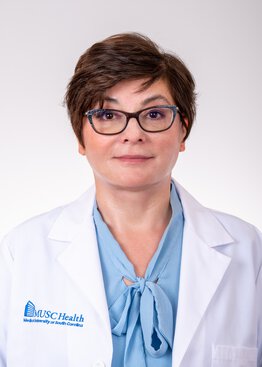
Luminita Tudor, M.D.

Assistant Professor, Division of Pulmonary, Critical Care, Allergy & Sleep Medicine

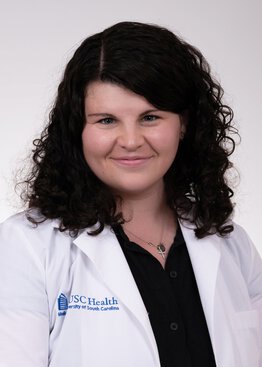
Megan Brunckhorst, M.D.

Adult Sleep Medicine Faculty

Luminita Tudor, M.D.

Assistant Professor, Division of Pulmonary, Critical Care, Allergy & Sleep Medicine

Megan Brunckhorst, M.D.

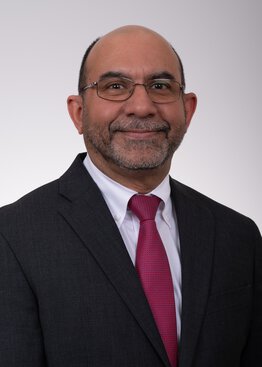
Jigme Sethi, M.D.

Neal Maru, M.D.

Assistant Professor, Pulmonary and Critical Care

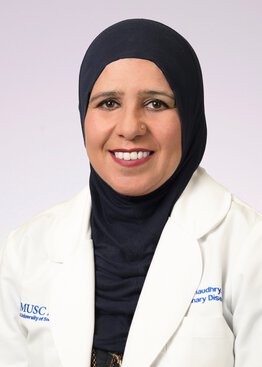
Hina Chaudhry, M.D.

Clinical Assistant Professor

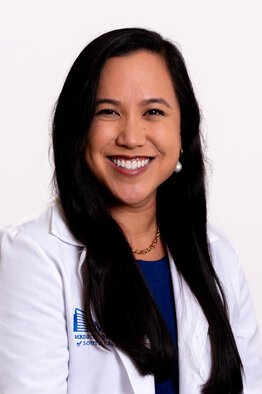
Abigail Dy, M.D.

Assistant Professor

Marri Horvat, M.D.

Neurologist and Sleep Medicine Physician

Contact Us

Lumi Tudor, M.D.
Sleep Medicine Fellowship Program Director
tudorl@musc.edu

Megan Brunckhorst, M.D.
Sleep Medicine Fellowship Associate Program Director
veglia@musc.edu

Emily Colshan
Fellowship Program Coordinator
colshan@musc.edu

96 Jonathan Lucas Street
Suite 816-CSB
MSC 630
Charleston, SC 29425