Training | Internal Medicine & Psychiatry Residency

Med-Psych Program Overview

Over five years, residents in the MUSC Internal Medicine–Psychiatry Residency Program train across a broad range of inpatient, outpatient, consultative, and integrated care settings. The curriculum provides comprehensive training in both internal medicine and psychiatry, with a particular focus on caring for patients with overlapping medical and psychiatric needs.

What sets our program and institution apart

  • Unique integrated clinical experiences including a 12-bed med psych unit known as the Complex Intervention Unit (CIU)
  • Large number of dual trained faculty
  • Substantial research opportunities including the DART Psychiatry research track and a psychiatry program that consistently ranks in the top 10 nationally in NIH funding.
  • Robust brain stimulation services, as one of only a handful of locations in the world that offer an advanced form of personalized, algorithm-guided accelerated TMS known as SAINT TMS in addition to electroconvulsive therapy (ECT) and vagus nerve stimulation (VNS)
  • Significant training in inpatient and outpatient substance use disorder treatment
  • Leading transplant center that ranks in the top five for kidney transplant volume
  • One of only two national telehealth centers of excellence
  • A strong commitment to clinical and research initiatives addressing health disparities

Clinical Experience Highlights

Throughout their five years at MUSC, residents will have the opportunity to work with a variety of dual trained attending physicians across inpatient and outpatient settings.

Residents work with dual trained faculty, interventional psychiatrists and brain stimulation fellows.

This clinic was established to provide rapid access to lifesaving addiction treatment for patients recently hospitalized with complications of substance use disorders, particularly opioid use disorder. This clinic also continues to expand access to treatment of medical comorbidities including hepatitis C.

This Med-Psych Unit is staffed exclusively by dual trained faculty who work closely with residents and other learners to care for patients with psychiatric illness who are medically hospitalized. Conditions commonly encountered on this rotation include refractory catatonia, severe eating disorders, neuroinflammatory disorders and complications of substance use disorders including alcohol withdrawal and endocarditis.

This team assists in the management of patients who are medically hospitalized. Common conditions encountered on this rotation include medical sequelae of suicide attempts, substance use disorders and delirium. Residents gain important skills in interdisciplinary communication and collaborative management of complex patients.

Homeless PACT Clinic at the Ralph H Johnson VA Medical Center (HPACT) – Residents will care for veterans with a variety of medical and psychiatric needs, with a particularly high prevalence of PTSD and substance use disorders.

Med-Psych Faculty

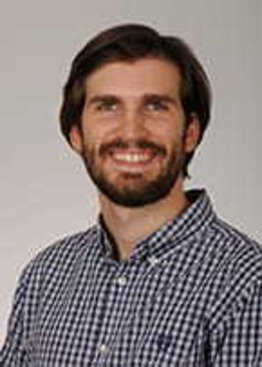
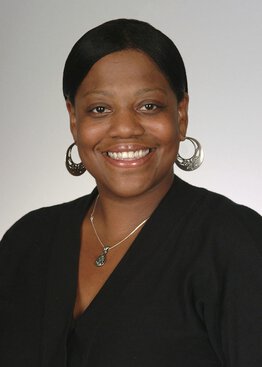
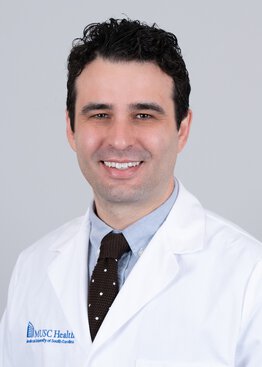
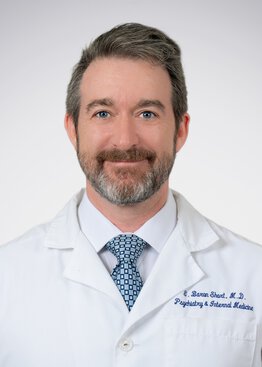
Our program benefits from a significant number of Med-Psych attending physicians.

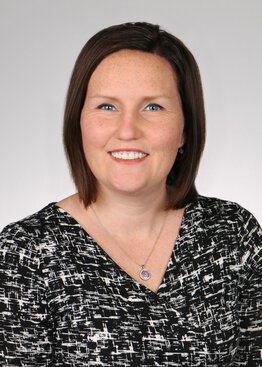
Kelly Barth, D.O.

Hub Specialist
Psychiatrist/Internal Medicine Physician
Professor, Psychiatry & Behavioral Sciences

Emily Bay, M.D.

Assistant Professor, Psychiatry & Behavioral Sciences

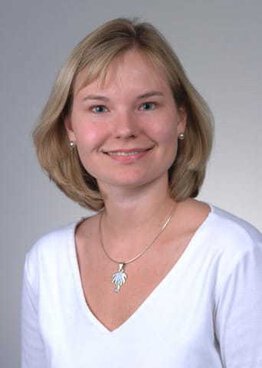
Elizabeth Call, M.D.

Instructor, Psychiatry & Behavioral Sciences, College of Medicine

Jennifer L. Jones, M.D.

Psychiatrist
Assistant Professor, Psychiatry & Behavioral Sciences

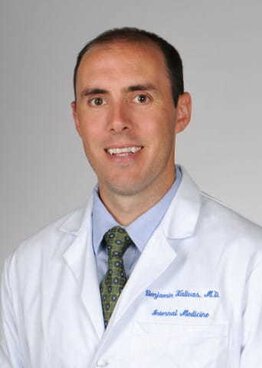
Benjamin Kalivas, M.D.

Director, Internal Medicine/Psychiatry
Associate Professor, Hospital Medicine

Andrew Kern, M.D.

Assistant Professor, Hospital Medicine

Temeia Martin, M.D.

Assistant Professor, Psychiatry & Behavioral Sciences

Charles Santos, M.D.

Assistant Professor, Hospital Medicine

E. Baron Short, M.D.

Medical Director, Brain Stimulation Services
Associate Professor, Psychiatry and Behavioral Sciences

Allison Smith, M.D.

Psychiatrist/Internal Medicine Physician
Associate Professor of Psychiatry & Behavioral Sciences
Medical Director, Division of Bio-behavioral Medicine

Curriculum by Year

During the first 18 months of training, residents alternate approximately every three months between internal medicine and psychiatry rotations. Residents also begin a weekly internal medicine continuity clinic, where they care for a longitudinal panel of patients throughout residency. Residents begin rotating through the CIU which they will do yearly throughout training.

Residents continue alternating between internal medicine and psychiatry every three months while beginning to tailor experiences toward their clinical interests.

In PGY-2, residents continue their internal medicine continuity clinic and begin alternating with the HPACT Clinic at the VA, an integrated Internal Medicine–Psychiatry clinic for unhoused Veterans.*

In PGY-3, residents alternate their internal medicine continuity clinic with an elective clinic experience. Options include HIV Psychiatry, Geriatric Psychiatry, Brain Stimulation outpatient consultations, Biobehavioral Med-Psych Clinic,* OUD Bridge Clinic,* and Women’s Reproductive Behavioral Health.

* Indicates a clinic supervised by combined Internal Medicine–Psychiatry faculty.

Residents spend the first six months of PGY-4 on internal medicine rotations while continuing outpatient clinic. The second half of PGY-4 begins a continuous 12-month outpatient psychiatry experience that continues through the first half of PGY-5.

Core outpatient psychiatry experiences include General Adult Psychiatry Clinic, HPACT Clinic,* Biobehavioral Med-Psych Clinic,* Child and Adolescent Psychiatry Clinic, and general outpatient psychiatry at the local community mental health center. Residents also continue longitudinal internal medicine clinic and may choose from elective psychiatry clinics, including Women’s Reproductive Behavioral Health, Sleep and Anxiety Clinic, University Counseling and Psychiatry Services, HIV Psychiatry, College of Charleston outpatient psychiatry, Geriatric Psychiatry, and Brain stimulation consults*.

During the outpatient psychiatry year, residents receive weekly supervision in psychodynamic therapy, cognitive behavioral therapy, and psychopharmacology. Residents may also apply for the DART program, which provides protected time and funding for a mentored research project.

After completing the outpatient psychiatry year in December of PGY-5, residents finish training with six months of internal medicine electives tailored to their career goals. During this time, they continue alternating internal medicine continuity clinic with an elective psychiatry clinic of their choosing.

* Indicates a clinic supervised by combined Internal Medicine–Psychiatry faculty.

Training Components

Internal medicine didactics include morning report three days per week, weekly Grand Rounds, and a weekly protected academic half-day.

Psychiatry didactics include weekly seminars during the first three years. During the outpatient psychiatry year, residents participate in two half-days of seminars each week, covering psychopharmacology, psychiatric diagnosis and management, cognitive behavioral therapy, psychodynamic psychotherapy, and other core outpatient psychiatry topics.

All Internal Medicine–Psychiatry residents also attend a protected monthly, resident-run Med-Psych academic half-day. These sessions include resident case presentations, faculty lectures, journal clubs, board review, and time to discuss any resident questions.

Residents have access to a broad range of electives in both psychiatry and internal medicine.

Psychiatry electives include brain stimulation, forensic psychiatry, women’s reproductive psychiatry, Sleep and Anxiety Clinic, University Counseling and Psychiatry Services, HIV Psychiatry, and College of Charleston outpatient psychiatry clinic. Brain stimulation may be completed as either a month-long rotation or a longitudinal consult clinic.

Internal medicine electives include internal medicine subspecialties, palliative care, dermatology, orthopedics, away rotations, Point-of-Care Ultrasound, research, and other individualized options.

A popular elective among Internal Medicine–Psychiatry residents is the Health Disparities Elective, during which residents rotate through Charleston free clinics and work with the Street Medicine Team caring for unhoused patients. Residents have also had opportunities to participate in the Internal Medicine Global Health Certificate, a longitudinal program that includes didactics, ethics and equity coursework, and a month-long clinical elective at Muhimbili National Hospital in Dar es Salaam, Tanzania.

Residents may also participate in a monthly integrated clinic at the CARES Free Clinic, working alongside Internal Medicine–Psychiatry residents, faculty, and students interested in integrated care.

Residents are paired with a longitudinal faculty mentor based on their clinical and academic interests. Faculty mentors provide guidance throughout residency, including support with career planning, scholarly activity, fellowship or job applications, and professional development.

Residents are also paired with a resident mentor who helps with the transition into residency, rotation advice, and general support throughout training.

All residents complete scholarly activity as part of their internal medicine and psychiatry training, including a quality improvement project. Residents are encouraged and supported across the spectrum of scholarly pursuits, including case reports, original research, journal publications and conference presentations. Our residents have participated in selective annual medicine and psychiatry oral vignette competition three of the last five years.

Program support of scholarly activity includes educational days for conference presentations, departmental funding for travel and registration, and psychiatry book fund support for educational resources such as books and question banks.

The MUSC Department of Psychiatry and Behavioral Sciences is consistently ranked among the top 10 institutions nationally in research funding from the National Institutes of Health (NIH), which provides opportunities for residents to participate in world class research.

Residents may apply for the DART research program. Established in 2006, DART provides protected time for research including month long research electives and research half days during the outpatient psychiatry year. Residents accepted to this program will participate in research seminars and didactic instruction lead by nationally recognized, R01- funded research faculty (Drs. Kelly Barth and Sudie Back), with a particular emphasis on addiction psychiatry. This program also involves completion of a mentored research project. Med-Psych residents have had consistent representation in the DART research track, with at least one resident participating each year for the past four years. Graduates of the DART include several current Med Psych faculty (Drs. Barth, Kalivas and Kern), Dr. Sarah Oros (University of Kentucky Med-Psych Program Director), as well as the late Dr. Nolan Williams a previous MUSC Neuro-Psych resident, who pioneered SAINT TMS.

All Med Psych residents are guaranteed protected time to attend the Annual Association of Medicine and Psychiatry conference.

All residents receive membership in the Association of Medicine and Psychiatry and are provided protected time to attend the annual AMP Conference each year of training. Most of our residents attend each year, and a yearly highlight is the program getting a house together to enjoy time with one another.

Residents have also been involved in other professional organizations, including AMA, SGIM, SHM, APA, APPL, ACP, ATS, and AAPL.