
General Infectious Diseases Fellowship Program

book_2 Learning Mode: Residential

About the Program

Established in 1976, the Medical University of South Carolina (MUSC) Infectious Diseases Fellowship Program provides a rigorous, well-rounded training experience for physicians pursuing careers in academic medicine, clinical practice, public health, transplant infectious diseases, HIV care, antimicrobial stewardship, and global health.

Our mission is simple: to train exceptional infectious diseases physicians who combine clinical excellence, intellectual curiosity, compassionate care, and leadership in diverse healthcare settings.

At MUSC, fellows gain broad exposure to complex infectious diseases pathology while working alongside nationally respected faculty in a collaborative and supportive environment. Whether your career goals include academic research, hospital epidemiology, transplant infectious diseases, HIV medicine, or private practice, our fellowship provides the mentorship, flexibility, and clinical depth needed to help you succeed.

We proudly accept 2–3 fellows annually, allowing for individualized mentorship, close faculty relationships, and a highly personalized educational experience.

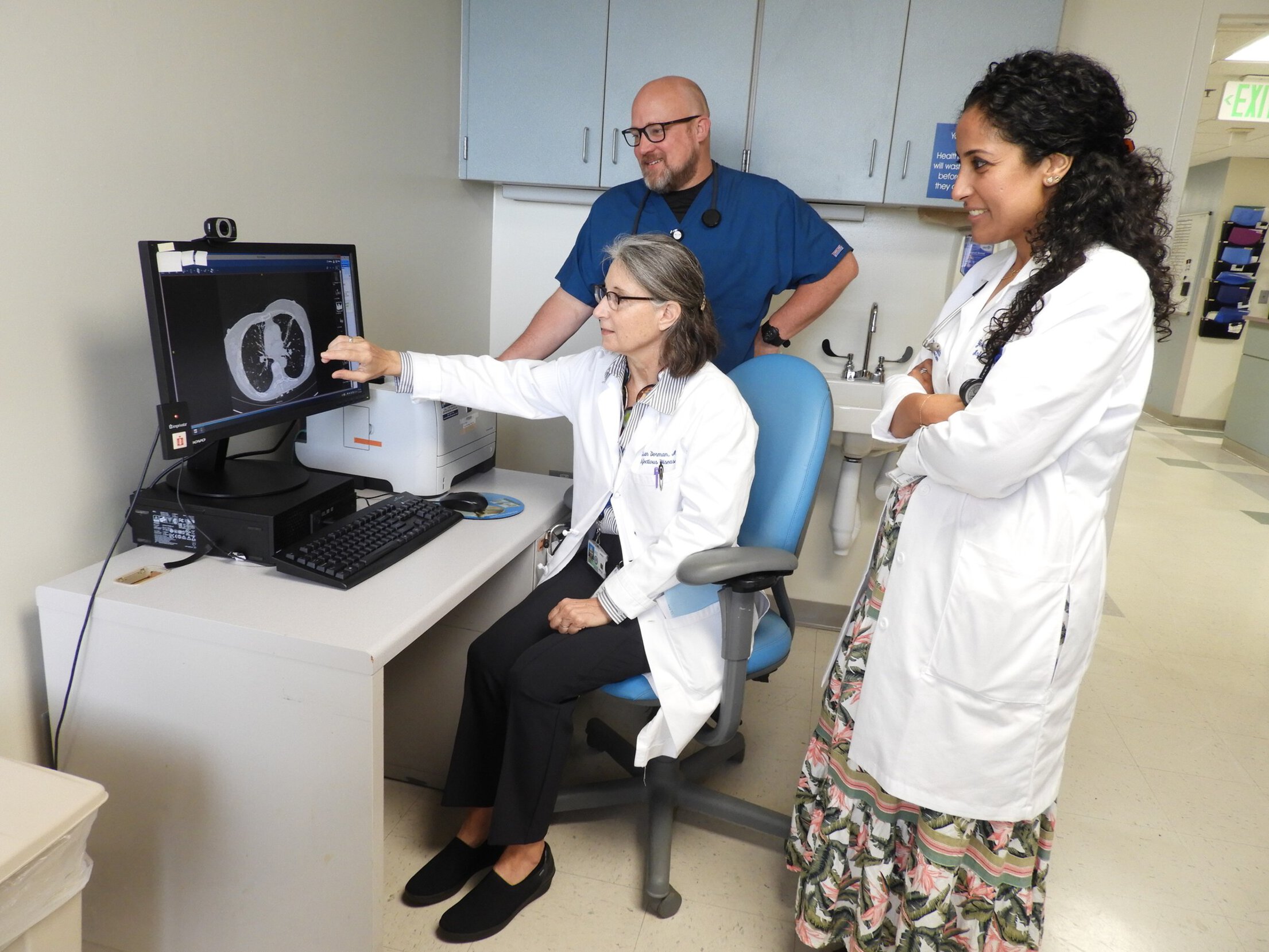
Associate program director reviewing chart with fellow

Hear from our fellows, explore our training experience, and see why MUSC is a great place to train.

Program Details

Inpatient Consult Services

General Infectious Diseases Consult Service (Teaching)

This inpatient consult service includes a multidisciplinary team with an attending, a fellow, 1-2 residents and/or medical students, and infectious diseases pharmacists.

Fellows are responsible for managing the team including teaching residents and medical students. Fellows also manage a diverse patient population, including:

  • Opportunistic infections in HIV/AIDS
  • Neurosurgical infections
  • Surgical, trauma, burn, and medical ICU infections
  • Hepatology and GI-related infections
  • Cardiology-associated infections
  • Bone and joint infections
  • Transplant Infectious Diseases Service

Our transplant ID service provides consultation for:

  • Solid organ transplant recipients
  • Bone marrow transplant patients
  • Hematologic malignancies
  • Patients with left ventricular assist devices (LVADs)
  • Fellows gain valuable experience managing immunocompromised patients with complex infectious diseases.

Ambulatory & Continuity Clinic Training:

Fellows participate in weekly continuity clinics focused on:

  • Longitudinal HIV care
  • General infectious diseases
  • VA infectious diseases clinic, including travel medicine
  • Hospital discharge follow-up
  • New patient evaluations

This longitudinal outpatient experience helps fellows build confidence in managing chronic infectious diseases and continuity-based patient care.

Specialized Rotations

All fellows complete rotations in:

  • Clinical microbiology
  • Antimicrobial stewardship
  • Hospital epidemiology and infection control

Outpatient/Telemedicine elective with experiences in wound care, Hepatitis C, C difficile, and ID telemedicine

Case of the Week (COW) Conference

One of the division’s most popular educational traditions, COW Conference is a weekly, fellow-led discussion centered around challenging clinical cases. Fellows present complex cases, guide differential diagnosis discussions, and review relevant literature alongside faculty.

This interactive format encourages clinical reasoning, collaboration, and academic discussion in a supportive learning environment.

Fellow Didactics

Weekly didactic sessions led by infectious diseases faculty cover core topics including:

  • HIV management
  • Antimicrobial resistance
  • Transplant infectious diseases
  • Central nervous system infections
  • Emerging infectious diseases

Incoming fellows also participate in an intensive “high-yield” orientation curriculum designed to build a strong clinical foundation early in training.

Additional Conferences

Fellows also participate in:

  • Infectious Diseases Grand Rounds
  • HIV Collaborative Conference
  • Journal Club
  • Visiting speaker presentations
  • Research and quality improvement discussions

Research is a core component of fellowship training at MUSC. Fellows receive dedicated research time, faculty mentorship, and academic support to pursue projects aligned with their interests and career goals.

Our goal is for fellows to present their work at national scientific meetings and submit first-author manuscripts for publication.

Recent fellow research projects include:

  • Outcomes of candidemia and the impact of infectious diseases consultation
  • Staphylococcus aureus bacteremia outcomes before and after mandatory ID consultation implementation

Fellows interested in expanded research training may customize their fellowship experience to pursue additional scholarly opportunities.

Why Choose the MUSC Infectious Diseases Fellowship?

A Balanced Fellowship Experience

The MUSC Infectious Diseases Fellowship combines:

  • Robust inpatient and outpatient clinical training
  • Dedicated research and scholarly time
  • Strong faculty mentorship
  • Exposure to underserved and medically complex populations
  • Specialized training opportunities across the full spectrum of infectious diseases

Our fellows graduate prepared to thrive in careers spanning:

  • Academic infectious diseases
  • Antimicrobial stewardship
  • Infection prevention and hospital epidemiology
  • HIV medicine
  • Transplant infectious diseases
  • Tropical medicine and global health
  • Public health
  • Private practice
  • Clinical and translational research

My goal for fellowship was to be trained in a clinically robust program combined with good mentorship. At MUSC, I had just that experience. I was able to work closely with attendings who have a strong focus on clinical medicine, education and research in equal parts. As I move to the next phase of my career, I feel confident that I have received a well-rounded education.

2019 Infectious Diseases fellowship graduate -

How to Apply

Our fellowship positions are funded by the Medical University of South Carolina. We accept 2-3 fellows per year.  Applications must be submitted through the Electronic Residency Application System (ERAS) and must include the following:

  • Three letters of recommendation (Including one letter from the Internal Medicine Residency Program Director).
  • Current photograph.
  • United States Medical Licensing Examination (USMLE) transcripts.
  • Personal statement.
  • Educational Commission for Foreign Medical Graduates (ECFMG) Certificate, if applicable.
  • Visa, if applicable.

For information on applying through ERAS, please visit the ERAS Website. Applications for the upcoming academic year are accepted until September 30th. All applications are reviewed by the fellowship program director. Applicants will be contacted regarding an invitation to interview after receipt and review of the completed application. Interviews are scheduled on an individual basis and every effort is made to meet the needs of the applicant.

All interviews will be conducted virtually.

We participate in the Medical Specialties Matching Program for fellowships in Infectious Diseases and we abide by the Infectious Diseases Society of America Match Resolution, the “all in” policy. All fellowship positions are exclusively offered through the NRMP Match.

Program Faculty

Ruth Adekunle, M.D.

Fellowship Program Director, Infectious Diseases
Assistant Professor, Infectious Diseases

Yosra Alkabab, M.D.

Assistant Professor

Helen (Jensie) Burton, M.D.

Associate Program Director, Infectious Diseases Fellowship
Assistant Professor, Infectious Diseases

J. Robert Cantey, M.D.

Professor
Medical Director, Vascular Access Program

Drew Charles, D.O., MS

Assistant Professor

Scott Curry, M.D.

Associate Professor, Infectious Diseases

Hayley Davis, Pharm.D.

Clinical Assistant Professor

Susan Dorman, M.D.

Faculty Director, Center for Global Health
Professor, Infectious Diseases

Courtney Harris, M.D.

Fellowship Program Director, Transplant Infectious Diseases
Assistant Professor, Infectious Diseases
Fax: 843-792-6680

Evgenia Kagan, M.D.

Associate Professor, Infectious Diseases

Camelia Marculescu, M.D., MSCR

Professor, Infectious Diseases
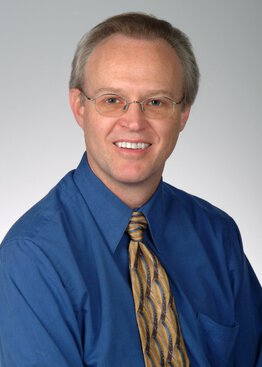
Professional Portrait

Eric Meissner, M.D., Ph.D.

Associate Professor, Infectious Diseases

Alexandra Mills, M.D.

Assistant Professor

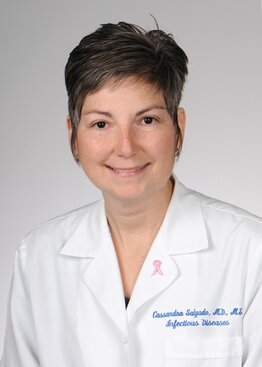
Cassandra Salgado, M.D., MS

Division Director, Infectious Diseases
Senior Associate Dean for Faculty Affairs, Development & Wellness, College of Medicine
Vice Chair for Wellness, Department of Medicine
Endowed Chair, J. Michael Kilby, M.D., in Infectious Diseases
Professor

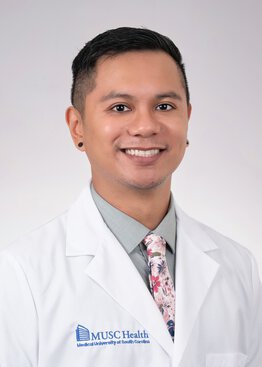
Nikko Tabliago, M.D.

Assistant Professor, Infectious Diseases

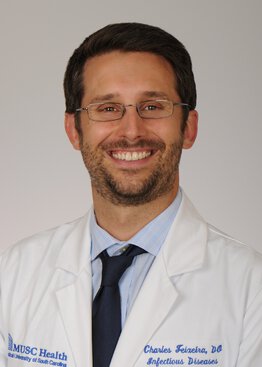
Charles Teixeira, D.O.

Assistant Professor

Dannah Wray, M.D.

Associate Professor

Frequently Asked Questions for Fellows, by Fellows

Since 1976 the Medical University of South Carolina (MUSC) Infectious Diseases Fellowship has trained fellows to become experts in adult infectious diseases. This extensive training encompasses a broad range of areas within the discipline including general ID, transplant ID, HIV, clinical microbiology, OPAT, antibiotic stewardship, hospital epidemiology, and infection control. There are also specialized opportunities within the fellowship for travel medicine, STI training, and PICC line insertion.

The MUSC ID Fellowship offers excellent clinical training. As a regional referral hospital and highly ranked transplant center (the only transplant center in SC), MUSC exposes fellows to both common and less common pathology, including transplant and immunosuppressed populations, with a wide array of disease processes. South Carolina has a large HIV population and the infectious diseases division serves ~2,000 HIV patients. Currently, there is less exposure to travel medicine than in the past, but fellows still receive this training in the VA clinic.

Two-to-three fellows match each year.

The fellows’ schedule is divided into 13 separate 4-week blocks. Fellows will be on inpatient or outpatient, with accordingly different responsibilities. Blocks change every fourth Tuesday. Each fellow will have their own weekly continuity clinic on either Monday or Thursday morning. In addition, while on outpatient service, fellows are in VA clinic Wednesday morning and general fellows’ clinic on Friday mornings. Second year has more research time.

Inpatient consult services:

  • Either A, B, or C service; rotate with attending and usually one resident, one medical student, +/- ID pharmacist.
  • A and B service fellows alternate weekend coverage of all three services.
  • A service (Main University Hospital) – more general ID, bone & joint infections, STICU.
  • B service (Ashley River Tower and VA) – general ID, liver/GI patients, malignant hematology.
  • C service (Main and Ashley River Tower) – transplant only (lung, liver, heart, kidney, bone marrow transplant).

Outpatient rotations:

  • Blocks of research, microbiology, antimicrobial stewardship/infection control, other clinics.
  • Staffed with various attendings.
  • Weekly personal continuity clinic (Monday or Thursday a.m.).
  • VA clinic (Wednesday a.m.), covered by both outpatient fellows.
  • Fellows’ clinic (Friday a.m.), alternating coverage by one outpatient fellow.

Call for ID fellows consists of being available to answer pages after hours (5 p.m. to 8 a.m.). This is taken from home and only under extenuating circumstances do fellows need to physically return to the hospital. Coverage for the week (Tuesday – Tuesday) is provided by the inpatient fellow during the week encompassing their weekend coverage.

Three. MUSC Main Hospital, MUSC Ashley River Tower (ART), and the Ralph H. Johnson VA Medical Center. There are rarely consults at the Institute of Psychiatry (an inpatient psychiatry ward) covered by the B service. All are located within a 0.5 mile radius or less.

Inpatient days vary based on patient load. Usual fellow hours are 7 a.m. to  5 p.m., but this also depends on workload. Fellows will attend whatever clinic/conference is scheduled and then proceed with rounds. Fellows pre-round as able prior to bedside rounds with attendings. This is attending-dependent, but usually starts between 9 and 10 a.m. with a lunch break. Teams will see new consults as they are called and generally stop seeing new consults after 3 p.m. unless more urgent.

Average patient loads are 15 (A service), 12 (B service), and 10 (C service), but vary and can be significantly busier.

Yes. Fellows will generally have medical students/residents and sometimes pharmacy residents on service to teach. This is usually in an informal setting.

Incoming fellows have a crash course lecture series on HIV, drug resistance, and general common ID consults over orientation and the first month. Other monthly or bi-monthly conferences include monthly ID Grand Rounds, HIV Collaborative Conference, various didactic lectures by attendings, Journal Club, and Case of the Week (COW). Fellows generally present Journal Club once yearly and COW bi-monthly while on inpatient service.

There are numerous research opportunities available and attendings with a wide array of ongoing interests and projects to serve as mentors. Prior to your interview, you will be provided with more information about research opportunities with individual faculty members. First year fellows have ~3 blocks of dedicated research time and second year fellows have ~5.

Aside from our fellowship coordinator who organizes much of the behind-the-scenes operations, fellows have scheduling staff for clinics, outreach/social work, RNs/CNAs/MAs in clinic, and a close relationship with ID and HIV pharmacists.

Fellows are regularly evaluated electronically following rotations and bi-annually in person with their program director. Fellows submit evaluations of their peers, rotations and attendings regularly as well.

Traditionally, fellows have attended the George Washington ID Board Review Course during the first half of their second year. The cost is covered by the fellowship program.

Fellows have sought employment in a number of practice types and locations. This includes private, academic, public health, and industrial roles, generally located in the southeast U.S.

Yes. Fellows with appropriate licensing are eligible to moonlight in so far as it does not violate duty hours or fellowship obligations.

The MUSC ID Division has been integral in the MUSC and state of South Carolina response to COVID-19. Numerous aspects of this response are still in motion and there are ongoing efforts to continue to learn from and combat this pandemic. Operationally, the ID division has expanded its telehealth capacity and is conducting regular less-complicated office visits virtually. For select patients there are still face-to-face visits, but there are continued efforts to maintain this virtual coverage to hopefully reach expanded populations in the state.

Contact Us

Ruth Adekunle, M.D.
Fellowship Program Director
adekunle@musc.edu

Helen "Jensie" Burton, M.D.
Associate Program Director
Burtonhj@musc.edu

Shawntina Prioleau
Fellowship Coordinator
843-792-4542
nelsonsh@musc.edu

Address
135 Rutledge Avenue, 12th Floor
Charleston, SC 29425