Celebrating a Decade of Growth

Building on the strong foundation established by past Department of Surgery leaders—including Fred Crawford, Jr., M.D., Distinguished Chair Emeritus; MUSC President David J. Cole, M.D., former Chair; and David B. Adams, M.D., Distinguished University Professor Emeritus and former Interim Chair—the department entered a period of accelerated growth beginning in 2015.

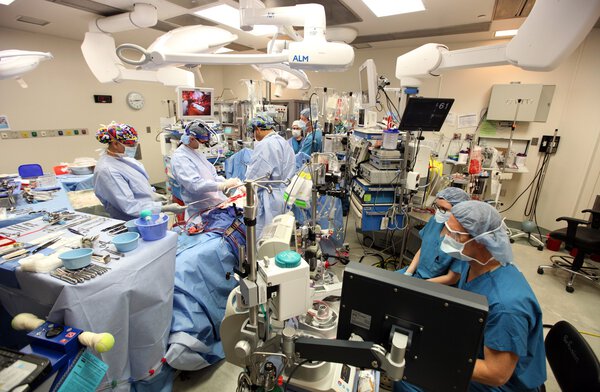
During this time, teams across the Department of Surgery expanded clinical capabilities, strengthened training programs, and advanced a culture grounded in collaboration, innovation, and professional development. The result has been a cohesive and resilient department—one that navigates an ever-evolving healthcare landscape while maintaining a clear focus on compassionate, patient centered care.

New initiatives in minimally invasive surgery, heart and vascular care, transplantation, and surgical innovation improved both patient outcomes and institutional expertise. Investments in resident education and strategic faculty recruitment further strengthened the department’s mission to develop future surgical leaders committed to excellence in clinical care, research, and teaching.


The past decade of growth for the Department of Surgery stands as a testament to Dr. Baliga's leadership. MUSC has become a rising star nationally, and the excellence of the department plays a major role in this success.

David J. Cole, M.D. MUSC President

Department of Surgery 10 Years of Clinical Growth
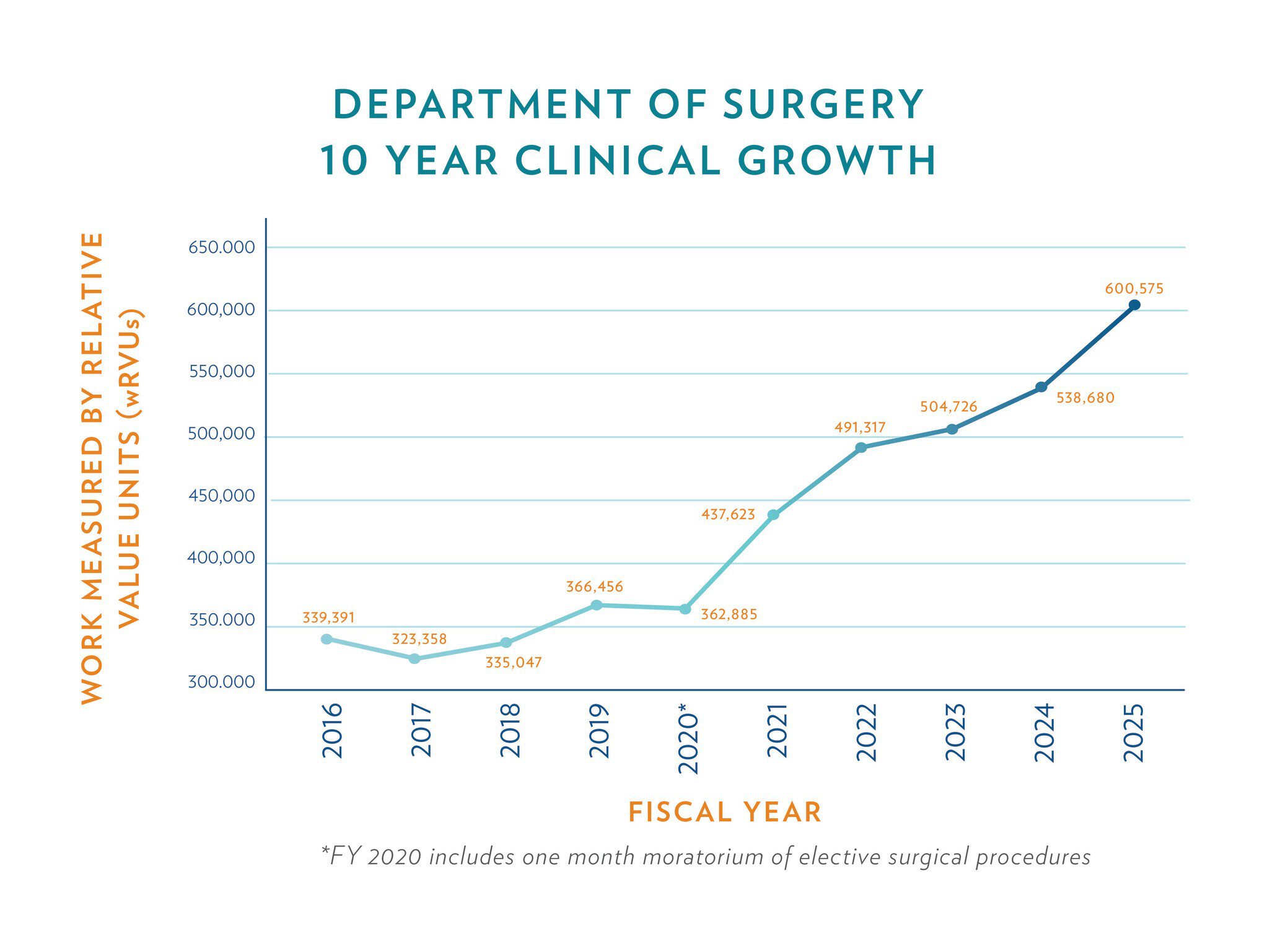
Department of Surgery line graph demonstrating growth in clinical care from 2016 - 2015 as measured by wRVUs.

Over the past decade, new division chiefs and program directors infused fresh expertise and vision into nearly every specialty,boosting the department’s clinical and academic impact. Within the scope of ten years, the clinical faculty grew by 67%, contributing to a significant rise in surgical volume.

These new leadership roles led to significant advancements,particularly in heart and vascular care. Under the leadership of Marc R. Katz, M.D., MPH, the cardiac program became a statewide leader, while Ravi Veeraswamy, M.D., introduced innovative technologies and hybrid techniques in vascular surgery. In 2019,burn surgeon Steven Kahn, M.D., joined the department as Chief of Burn Surgery, and under his leadership, the MUSC Health South Carolina Burn Center opened in 2020. Within five years, the Burn Center achieved ABA Burn Verification for both adults and children.

We employ broad-based outreach to ensure a widely talented and competitive applicant pool, ensuring all qualified individuals are considered regardless of background. The number of women surgeons and Ph.D. scientists in the department has grown from 10 to 35—a 250% increase—reflecting a profound cultural transformation that has strengthened excellence, innovation, and representation across the department.

Additionally, the South Carolina Surgical Quality Collaborative (SCSQC), established in 2015, has played a crucial role in improving the quality and value of general surgical care statewide. Under the leadership of Prabhakar Baliga, M.D., Mark Lockett,M.D., and other key faculty, the SCSQC has contributed to significant improvements in surgical outcomes, underscoring the department’s commitment to quality surgical care beyond MUSC’s walls. Simultaneously, MUSC Health’s investment in robotic surgery has significantly advanced clinical capabilities.

Under the leadership of Rana Pullatt, M.D., clinical director of bariatric and robotic surgery, MUSC offers robotic surgery across all applicable surgical specialties, reinforcing our commitment to innovation and cutting edge care. Beyond clinical excellence, the department has launched several initiatives that have greatly advanced patient care, addressed societal challenges, fostered innovation,and prepared the next generation of surgical leaders.

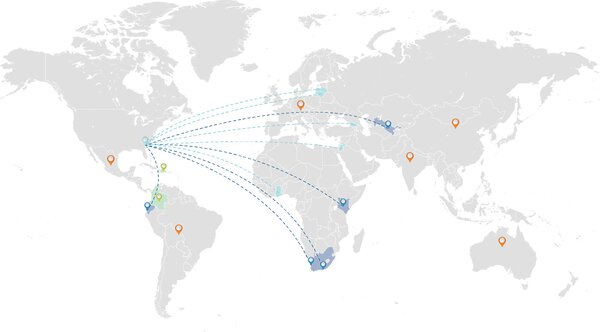
Major programmatic expansions include the Turning the Tide Violence Intervention Program, led by Ashley Hink,M.D., MPH, the Global Surgery Program, led by Mike M. Mallah, M.D., the Future Surgical Leaders Program developed by Cynthia Talley, M.D., the Harvey and Marcia Schiller Surgical Innovation Center, led by Arman Kilic, M.D., and the Surgical Simulation Suite, led by Douglas Cassidy,  M.D.

To further support all these initiatives, the department introduced new leadership roles focusing on disparities education and cultural dexterity, led by Sharee Wright,M.D., personal development and well-being, led by Andrea Abbott, M.D., MSCR, and faculty development, led by David Mahvi, M.D. These efforts ensured that the department not only thrived clinically but also nurtured a sense of community and individual growth.


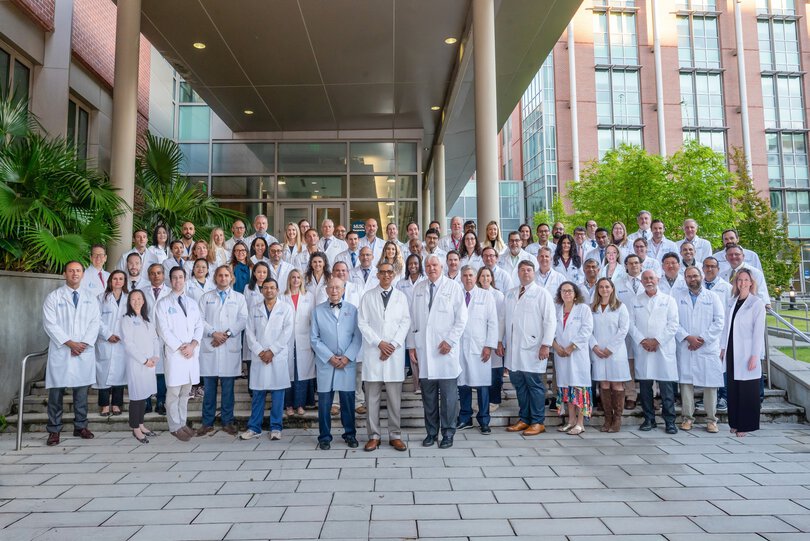
Building a culture of collaboration and support was just as important as expanding our clinical work. When people fee valued and empowered, innovation follows.

Prabhakar Baliga, M.D. Chair, MUSC Department of Surgery

Expanding the Department's Footprint

MUSC’s Department of Surgery is not only recognized as a leading academic surgical program but has also grown its influence locally, regionally, and nationally. Several faculty members have assumed pivotal leadership roles across the MUSC Healthcare System.

  • Ravi Veeraswamy, M.D., was appointed Associate Chief Medical Officer for Surgical Services in the MUSC Health Charleston Division.
  • Sharee Wright, M.D., was named Senior Associate Dean for Pathways in the College of Medicine.
  • Mark Lockett, M.D., was named Chief Quality Officer for MUSC Health Charleston.
  • Laura Hollinger, M.D., has been appointed Secretary of the MUSC Medical Staff Medical Executive Committee.
  • Heather Evans, M.D., MS, now serves as Chief of Surgery at the Ralph H. Johnson VA Medical Center.
  • Cynthia Talley, M.D., was named Senior Associate Dean for Graduate Medical Education and Continuing Medical Education and the ACGME Designated Institutional Official in the College of Medicine.

By stepping into their respective leadership positions, these faculty members contribute to the ongoing growth and innovation of the MUSC Healthcare system. Nationally and internationally, the department’s impact has grown with faculty appointments to the presidencies of prestigious organizations, including:

  • Prabhakar Baliga, M.D. -  Halsted Society President 2026
  • Evert Eriksson, M.D. - Chest Wall Injury Society President 2026
  • Gayathri Devi, Ph.D., MS - Inflammatory Breast Cancer-International Consortium President 2026
  • Rana Pullatt, M.D. - American Society for Metabolic and Bariatric Surgery President-Elect 2026, President 2027


"Building a culture of collaboration and support was just as important as expanding our clinical work. When people fee valued and empowered, innovation follows."

Prabhakar Baliga, M.D.
Chair


A Culture of Innovation and Research

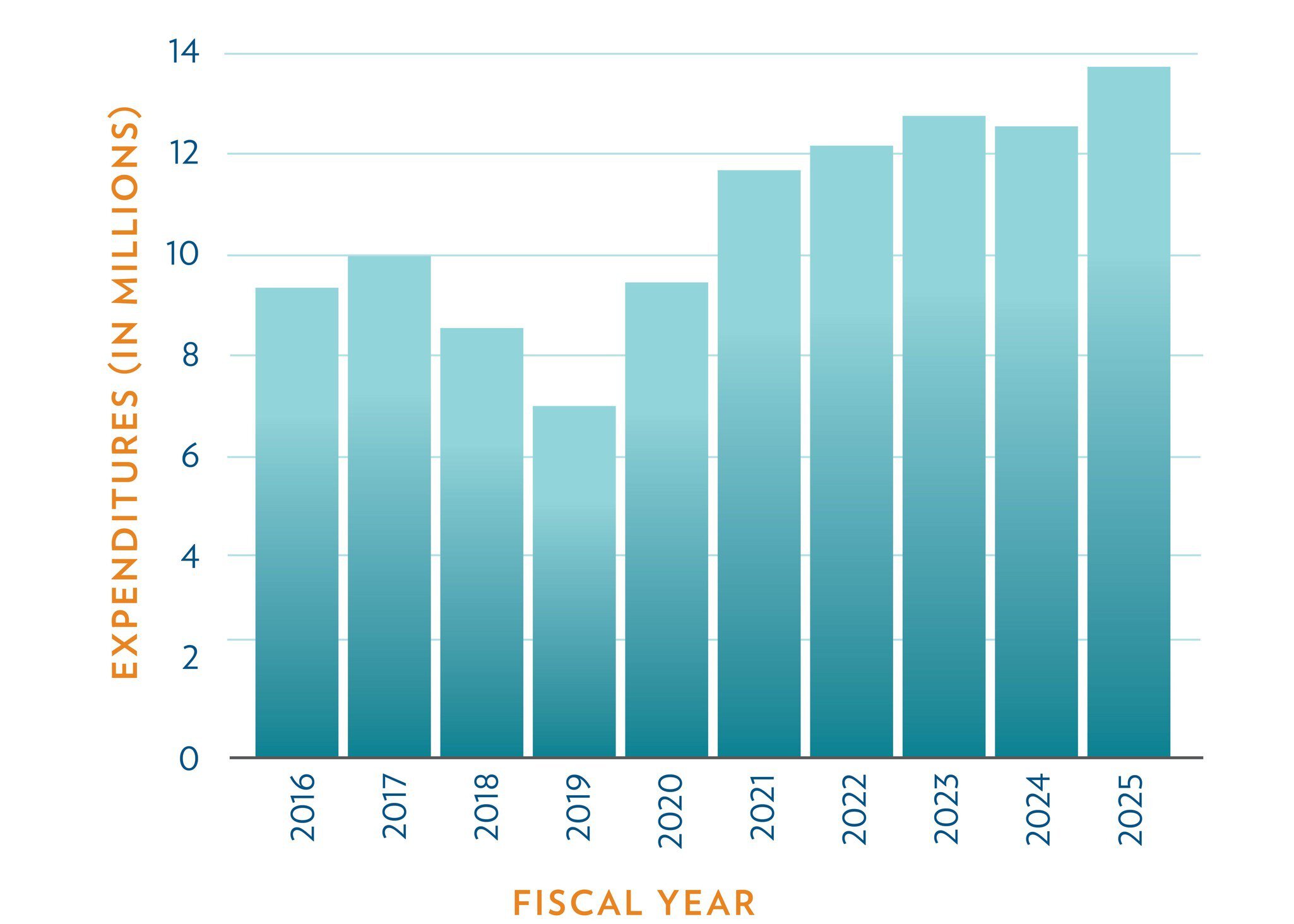
Department of Surgery Research Expenditures Ten Year Growth Chart

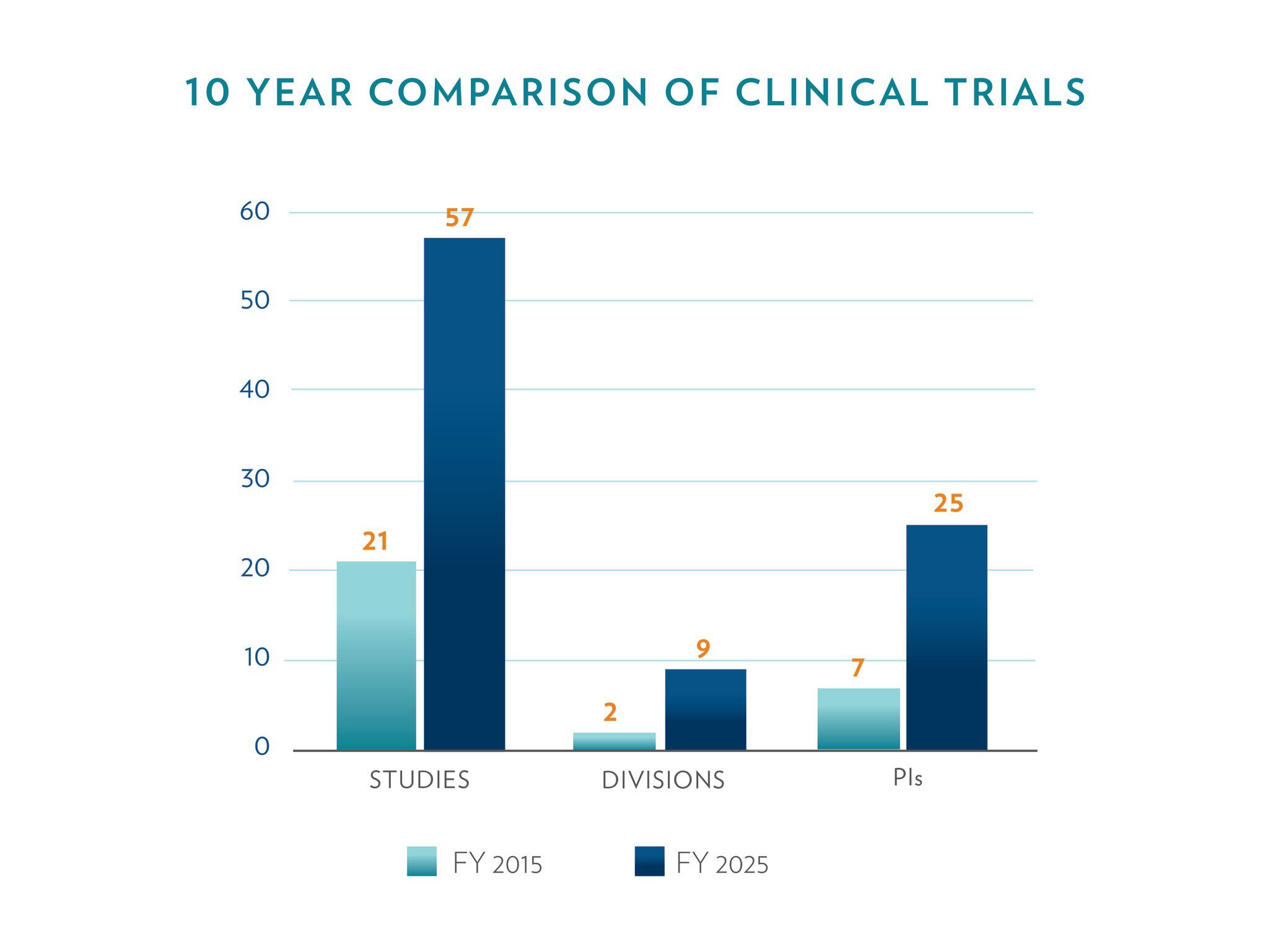
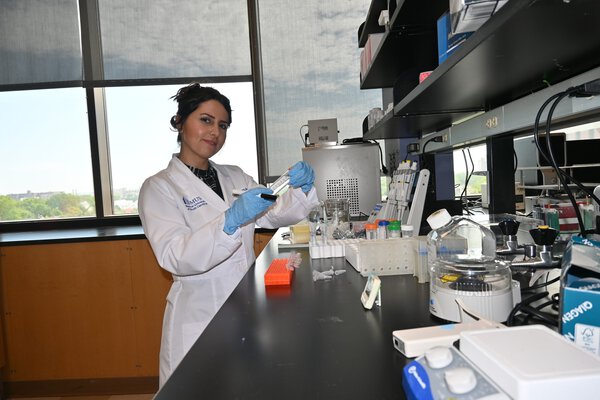
The Department of Surgery’s commitment to a culture of innovation and inquiry has been a cornerstone of its success. Research and innovation flourished with significant growth in clinical trials, increased investment in research, and an expansion in cellular therapy.

Bar graph showing a ten year comparison in growth in clinical trials in the Department of Surgery

The Harvey and Marcia Schiller Surgical Innovation Center has become a hub for interdisciplinary collaboration, advancing AI, predictive modeling, prototyping, and outcomes research in surgery. This year, the department created a dedicated space for the Surgical Innovation Center, further promoting cross-disciplinary collaboration and fostering an environment of continuous learning.

The Heart of Our Success: A Collective Effort

Over the past decade, the Department of Surgery has reached new heights through a strong culture of collaboration,innovation, and shared purpose. Its success is rooted in the collective efforts and unwavering contributions of individuals across every level of the department. From ground breaking research to transformative clinical care, each achievement reflects a deep commitment to excellence and teamwork. The dedication and collaboration of our faculty, staff,trainees, patients, and partners continue to drive progress and strengthen the department’s impact.

This work is further supported by the steadfast generosity of our donors.

Over the past decade, donor support has created lasting opportunities that continue to shape the department’s future, including the establishment of five endowed chairs and more than $17 million to support clinicians, researchers, and trainees—providing essential resources to advance innovation and improve patient outcomes.

In the MUSC Department of Surgery, our strength goes beyond technical expertise, academic achievement,and operational excellence. While we are proud of the skill and dedication that define our clinical, research, and administrative work, what truly sets our department apart is our culture. By valuing one another as people—not just professionals—we create an environment where collaboration thrives and our collective work is stronger.