

Guiding the Future
A Decade of Transformational Leadership in the Department of Surgery
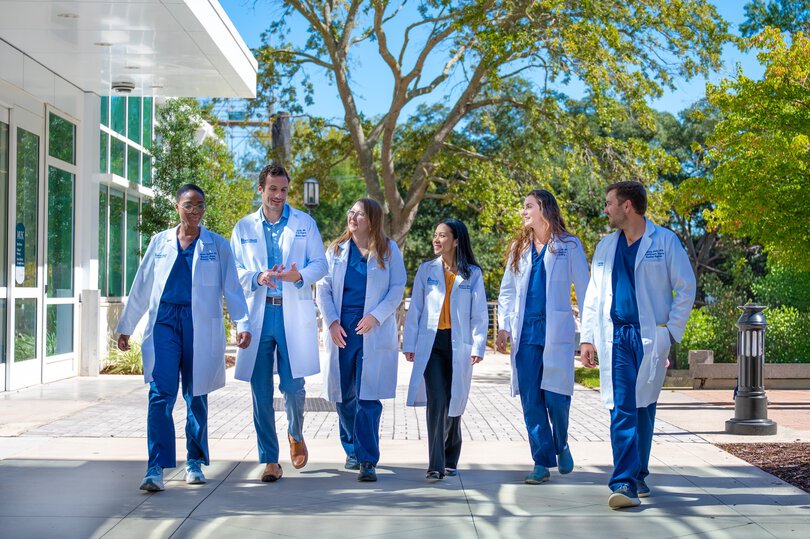
Sharee Wright, M.D., Vice Chair of Disparities Education and Cultural Dexterity, has developed a three-pronged strategy to expand access and strengthen the workforce:education, surgical exposure, and community outreach. These initiatives foster awareness, opportunity, and connection—driving meaningful, sustainable change within the department and the communities it serves.
Micro-learning sessions were designed to help faculty better recognize and understand the disparities that exist among the patients we serve. The goal was to create space for open, thoughtful discussions within each division—encouraging reflection, shared learning,and concrete steps toward more equitable care. By fostering awareness and understanding within our surgical teams, we strengthen our ability to deliver compassionate, patient-centered care that meets the needs of every individual we serve. These conversations not only build stronger teams but also directly contribute to reducing inequities in surgical outcomes across our state.
Last spring, the department hosted a Grand Rounds panel session featuring Tamara Butler, Ph.D., Executive Director of the Avery Research Center, Lisa M. Collins,Chief, Wassamasaw Tribe of the Varnertown Indians, and Sean P. Haley, M.D.,Director of the CARES Clinic. The Grand Rounds sparked an important discussion on embracing culture and community in surgical practice. Building on this momentum,Dr. Wright organized three clinical outreach initiatives in St. Stephens and North Charleston. These events provided surgical teams with opportunities to engage with rural and regional populations, deepening our assessment of community health needs and reinforcing the department’s commitment to providing comprehensive clinical access and high-quality care to all patients across the region.
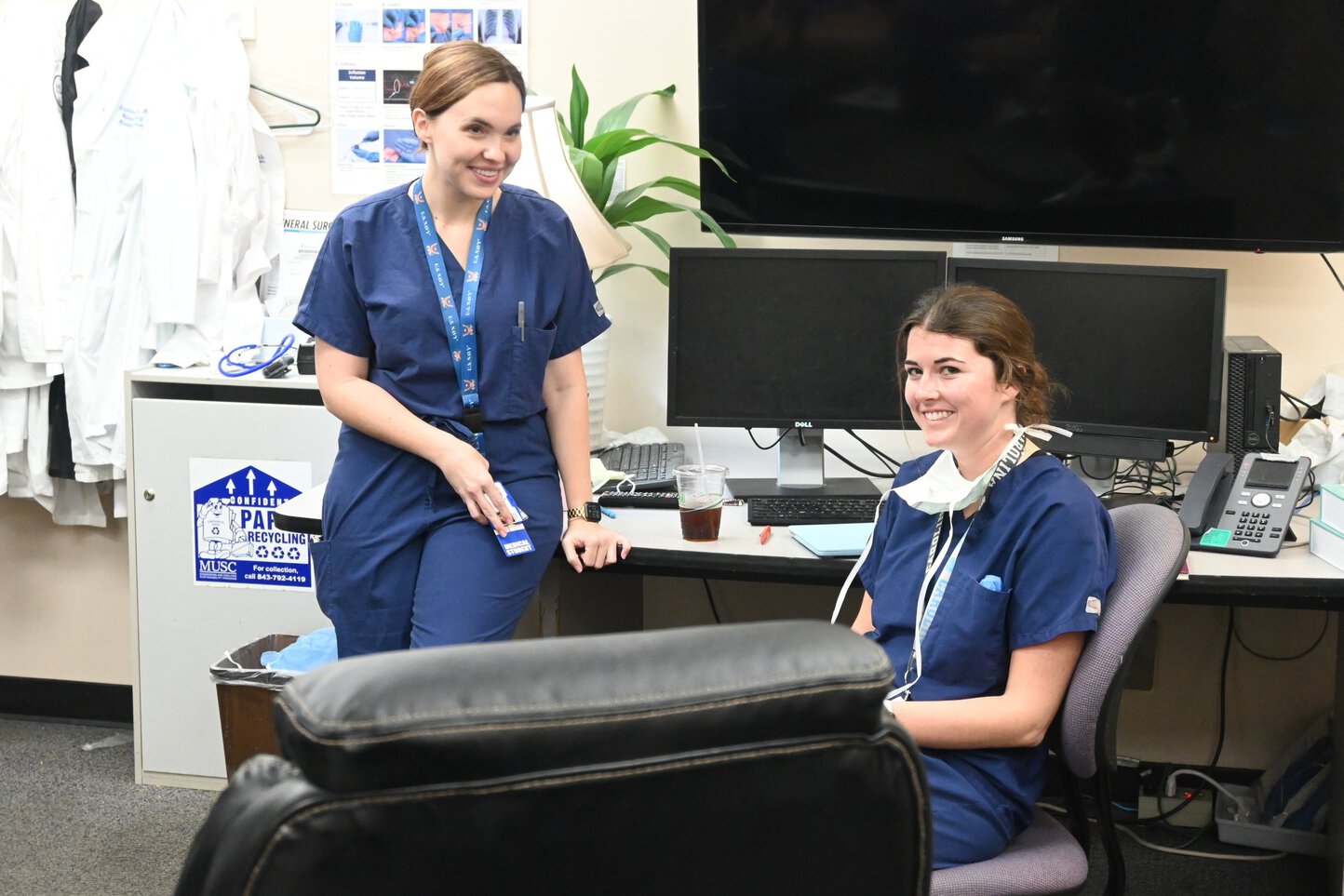
The department hosted its second cohort of a paid summer internship for students who have limited opportunities to gain exposure in the medical field. Two students were chosen to participate in the program, which serves as a pathway to improve medical school admission. Along with OR and clinic shadowing, the students also scribed and assisted with clinical trial data entry. The program continues to expand opportunities across alldivisions, aiming to give local students broad exposure to medical careers and cultivate a highly skilled workforce dedicated to meeting the clinical and healthcare needs of our state.
This year, the Medical University of South Carolina (MUSC) launched a well-being program designed to enhance work place culture and support the health and happiness of its team members. Well-Being Leads from colleges and departments across the health system were selected to represent their colleagues and serve as advocates for wellness.Andrea Abbott, M.D., MSCR, Vice Chair of and Well-being, and Personal Development was chosen to represent the Department of Surgery.
One of the key outcomes of this initiative has been the creation of the Well-Being Collective, a centralized online hub designed to provide easy access to resources, tools, and programs that support workplace well-being. In addition, the campus now offers dedicated well-being spaces, including the Wellbeing Rejuvenation Stations on the downtown campus.Among the many offerings available through the Well-Being Collective are Stress First Aid programs, personalized skill-building opportunities for both individuals and teams, and “Living Your Best Work-Life” programming, which provides actionable strategies for achieving balance. These initiatives are designed to give every member of our community the support they need to thrive both personally and professionally.
Growth Through Connection
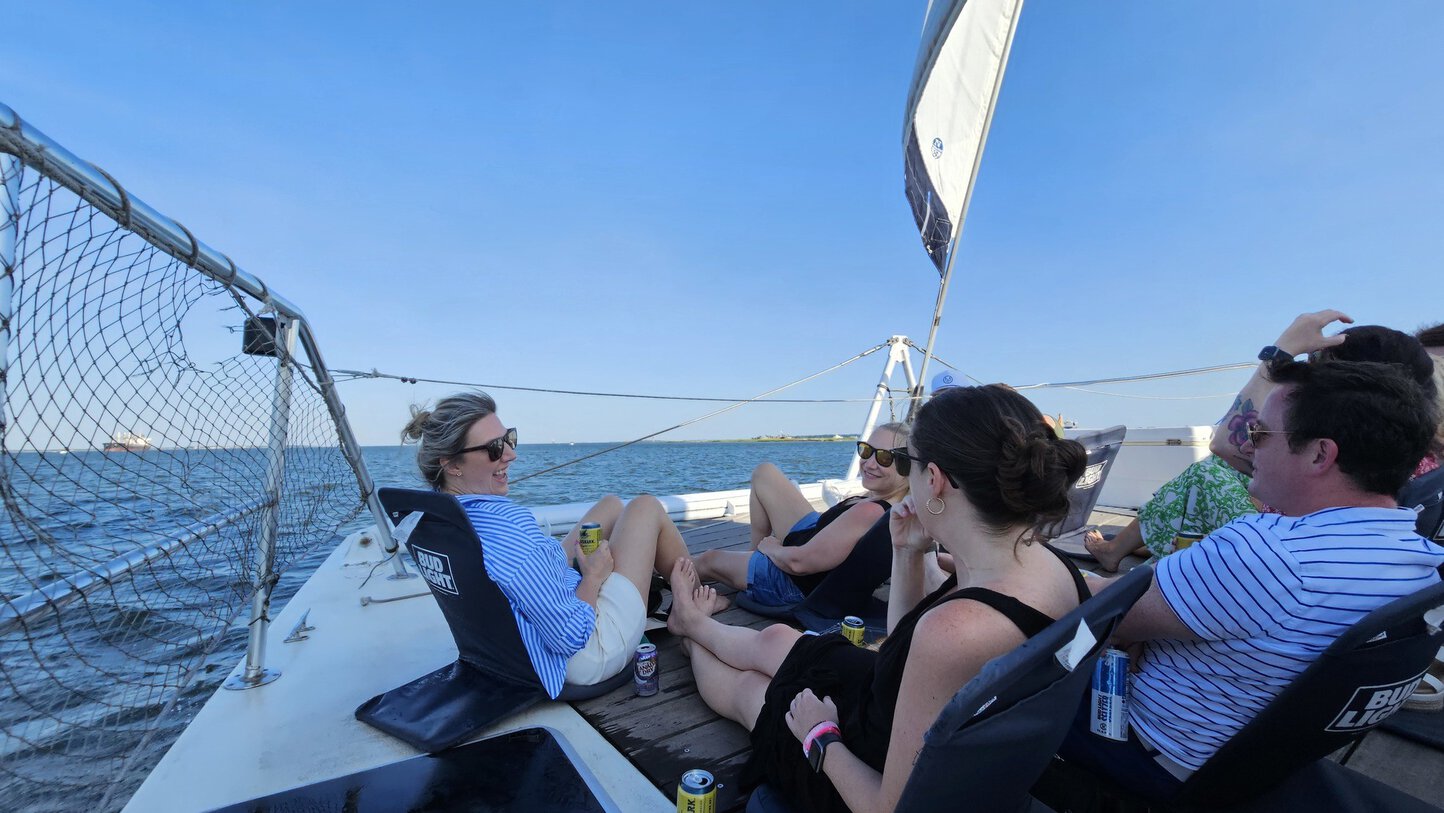
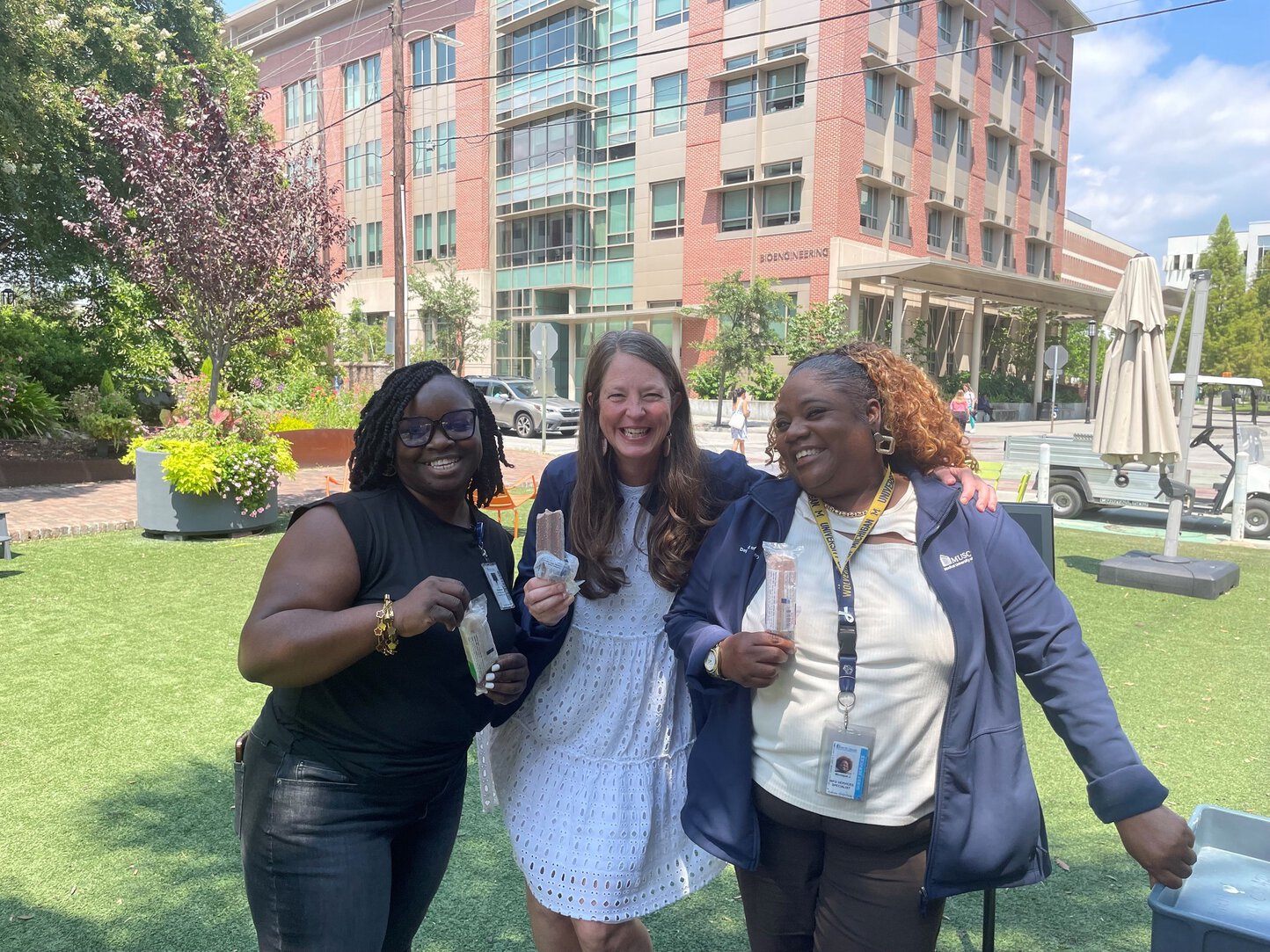
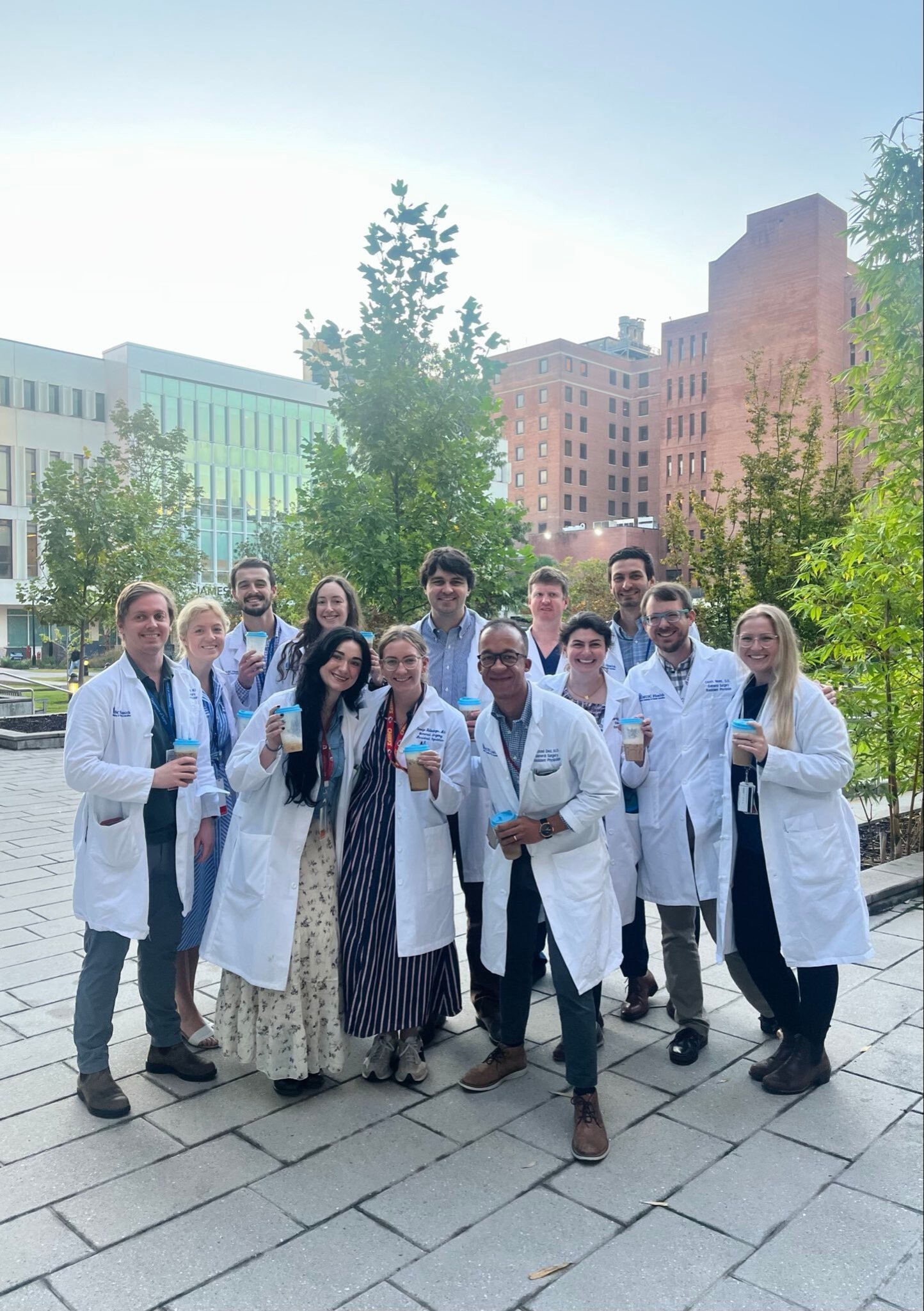
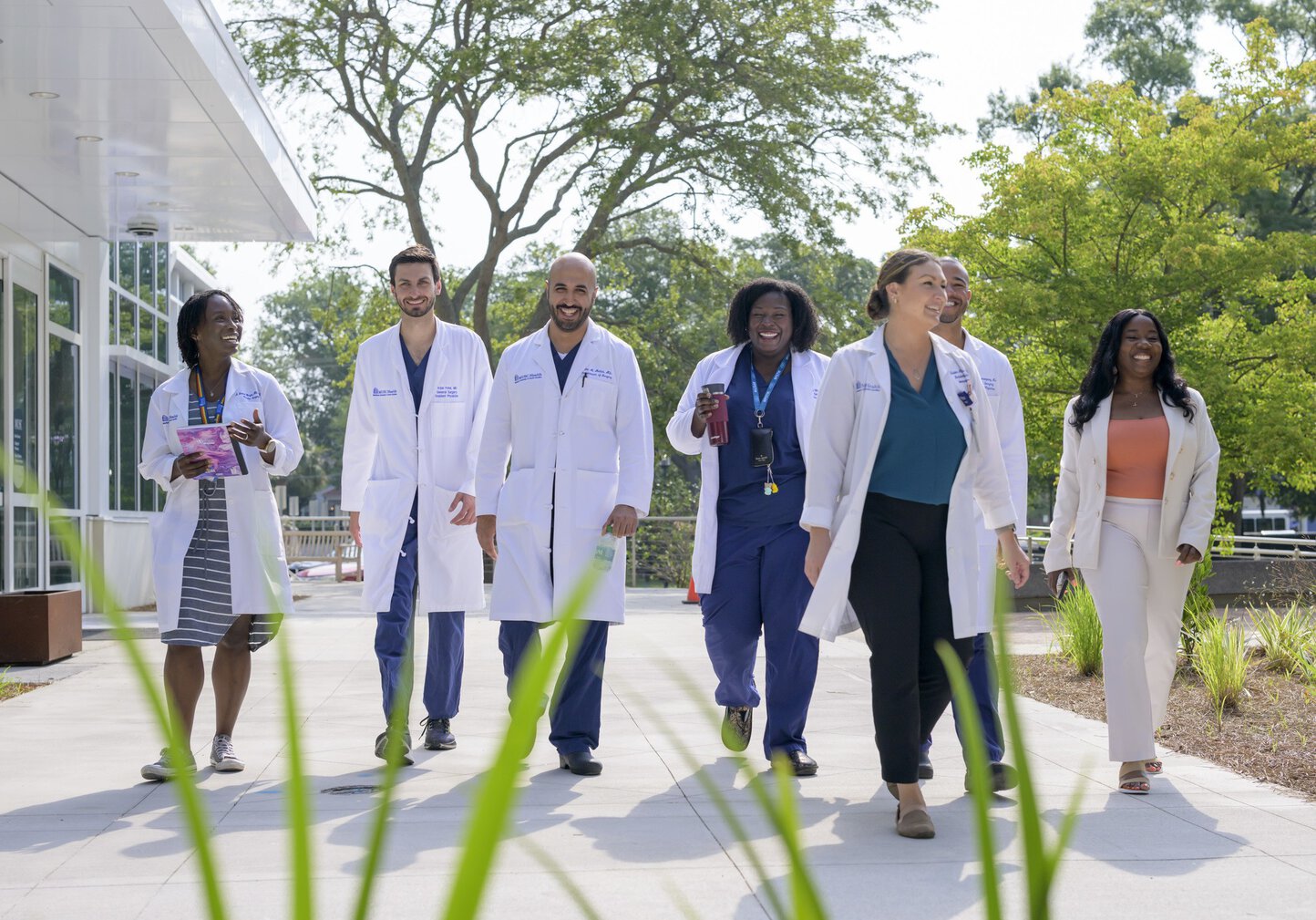
Within the Department of Surgery, we continue to foster connection and fellowship with activities that strengthen our team’s well-being and help create a stronger sense of belonging.
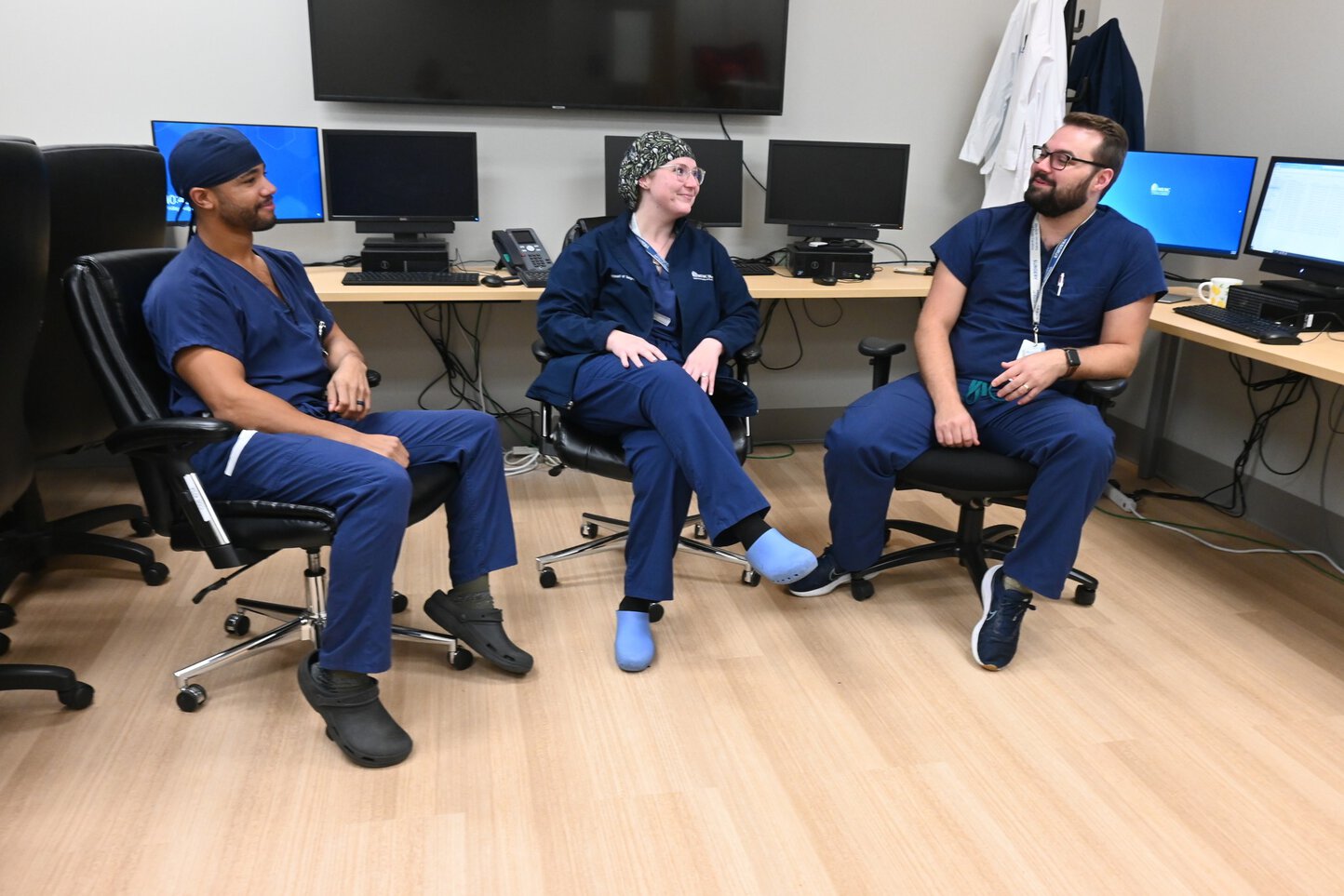
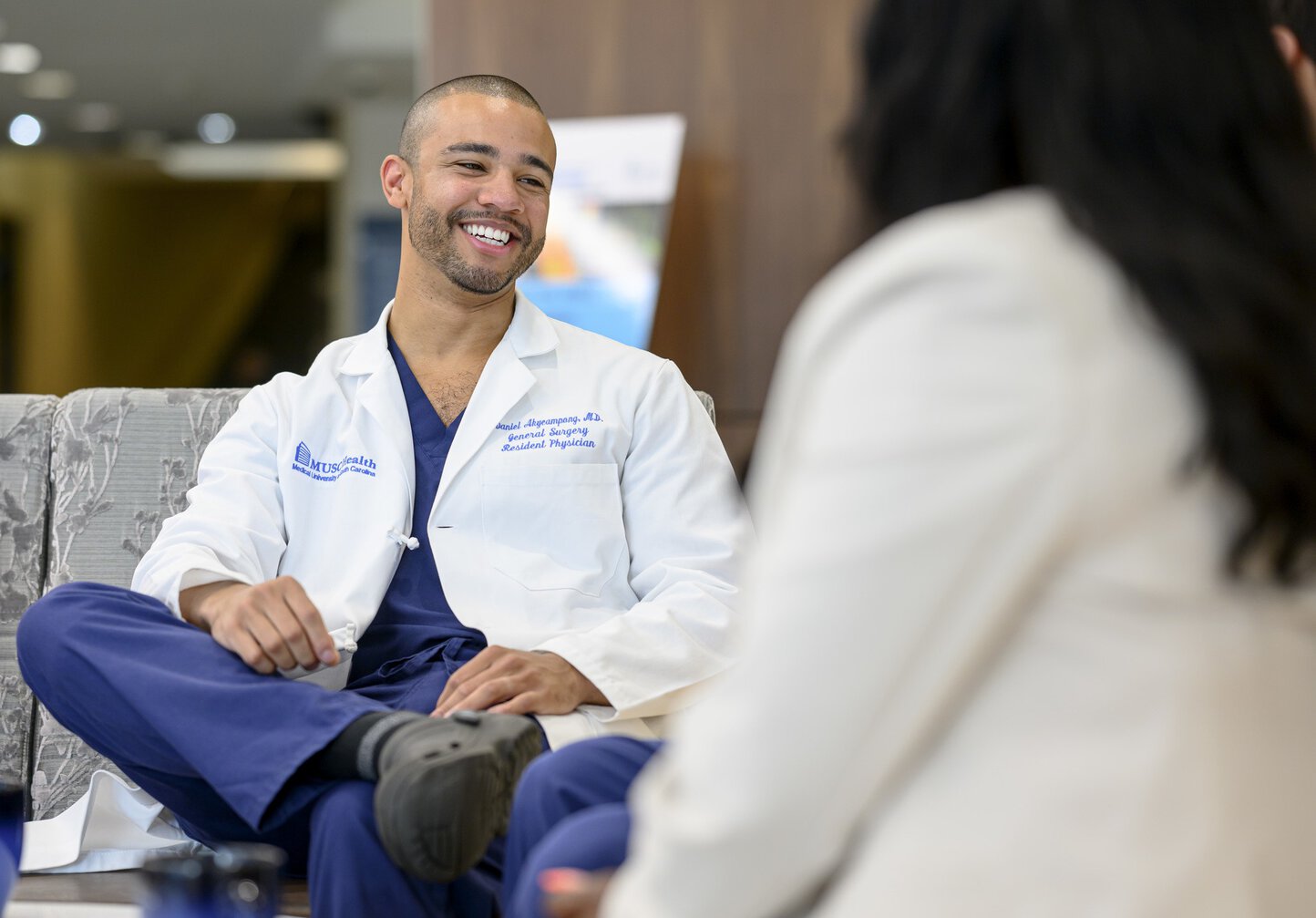
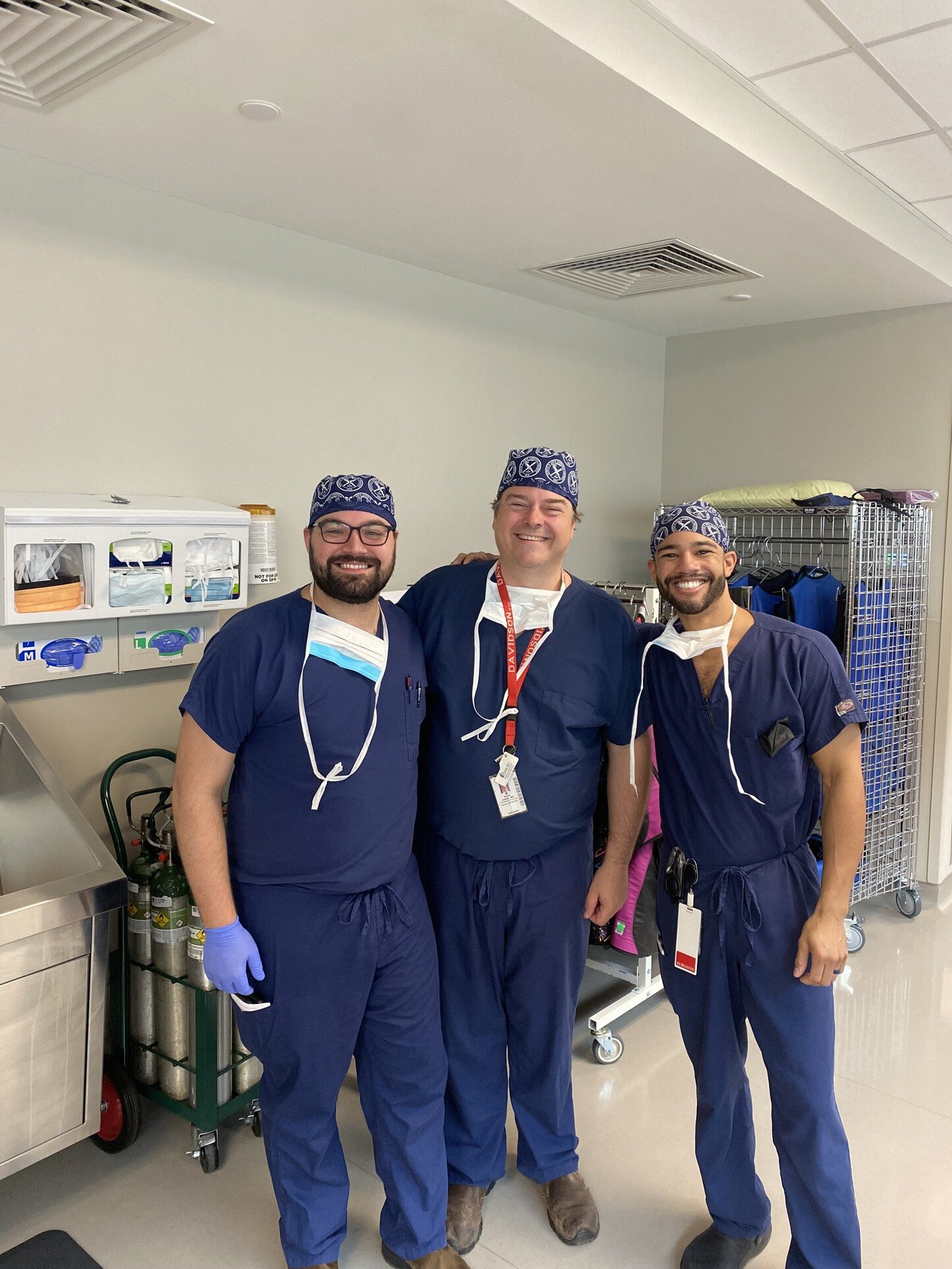
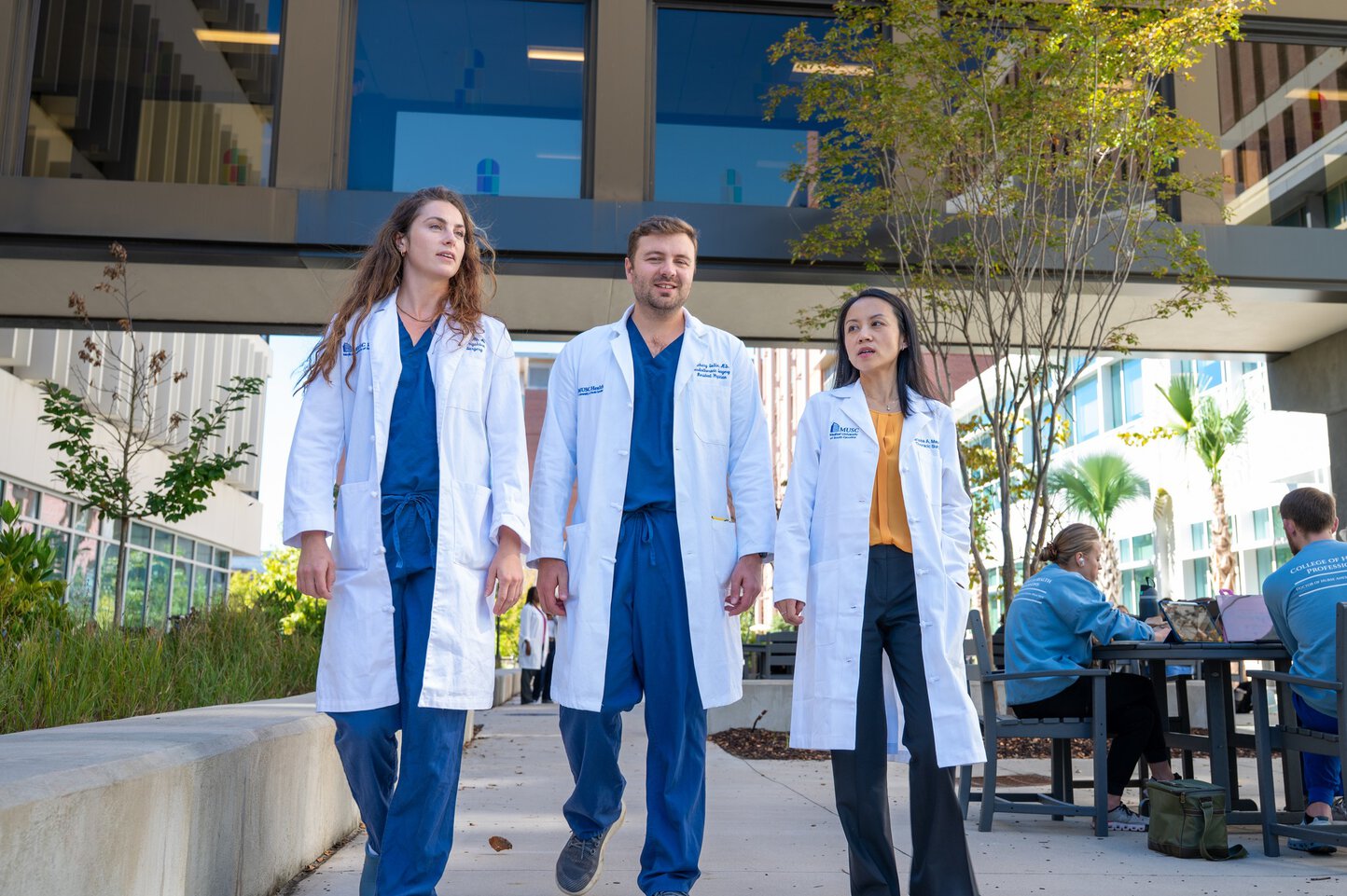
David Mahvi, M.D., vice chair of Faculty Development, says every clinician faces challenging moments that can take a significant emotional toll. These challenges can sometimes feel isolating, especially when seeking support feels like an added burden. Three years ago, the department launched the Peer-to-Peer Support Program to address this gap and provide a proactive and accessible way for clinicians to discuss difficult experiences, whether personal or professional.
The program has been well-received, offering a confidential and non-judgmental space for faculty members to discuss unexpected outcomes, stress, and other challenges. Since its inception, we’ve helped numerous faculty members navigate these moments. The process is straightforward: One of the faculty from the Peer-to-Peer team personally reaches out to clinicians when I sense they could benefit from the program, connecting them with the right peer supporter from our team. While the program is not intended to offer counseling, we do provide referrals to additional resources when necessary.As the program has grown, we have expanded it to include surgical residents who serve as peer supporters for their colleagues. This initiative has provided a unique opportunity for residents to giveback and support their fellow trainees.
In particular, Mallorie Huff, M.D., a senior resident, has stepped up to lead the peer support efforts for residents. This has allowed us to offer a tailored, resident-to resident support model, which has been particularly effective in addressing the challenges faced by those earlier in their careers.
Looking ahead, we are excited to expand the program further. This year, we are piloting a new initiative aimed at supporting later-career faculty, including those who may be transitioning out of active practice. Research shows that many senior surgeons experience isolation as they near retirement, which can impact both their professional and personal lives. To address this, we are introducing low-key, no-agenda breakfast gatherings where older surgeons can meet, share experiences, and build connections in a relaxed environment.
We hope this will provide a supportive space where these individuals can connect on both surgical and non surgical topics.Through these ongoing efforts, we aim to continue fostering a culture of wellbeing within our surgical community, ensuring that no one feels they have to face these challenges alone.
MUSC Department of Surgery 2025 Annual Report
A Decade of Transformational Leadership in the Department of Surgery
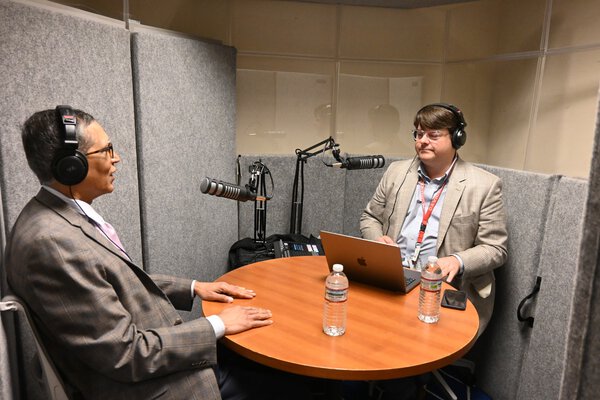
MUSC Surgery Sessions honors the remarkable faculty and alumni whose expertise, passion,and innovation have shaped the MUSC Department of Surgery.
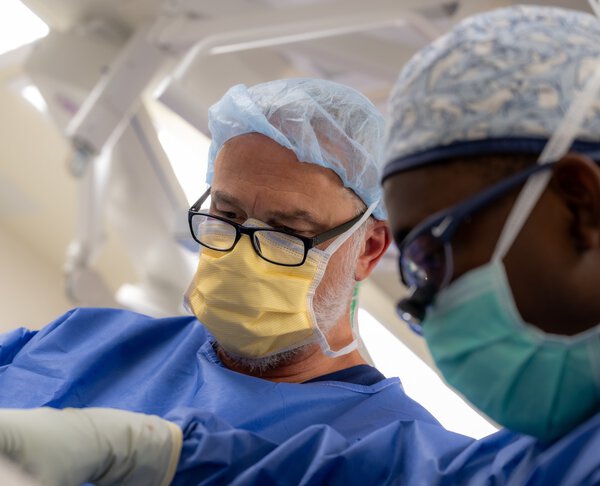
In FY25, several clinical multidisciplinary teams and programs were recognized for improving patient care locally, regionally, and nationally.
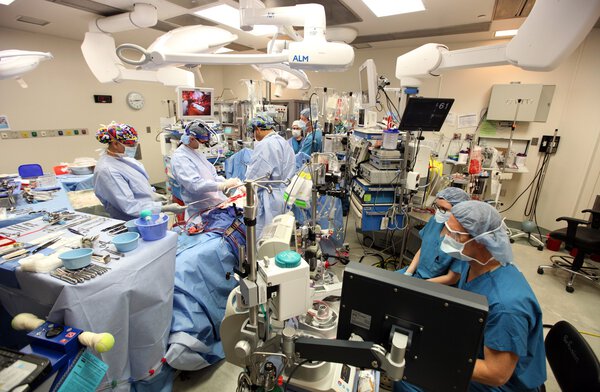
Our faculty are at the leading edge of surgical innovation and clinical care.
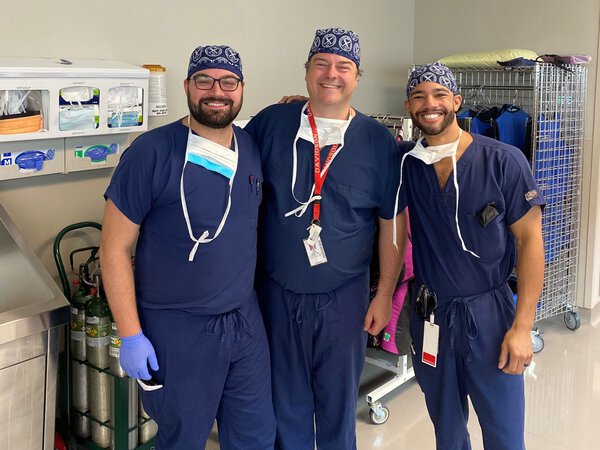
This year has been one of remarkable growth and continued excellence in surgical education.
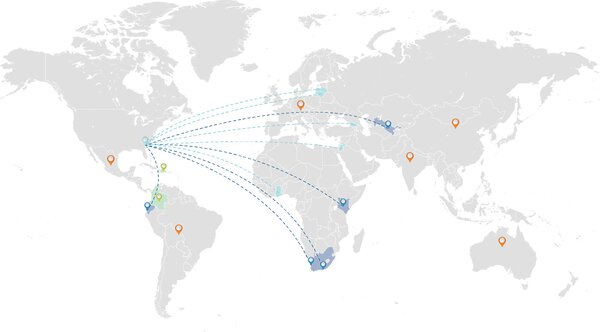
The MUSC Global Surgery Program has grown into one of the most dynamic global surgery programs in the country.
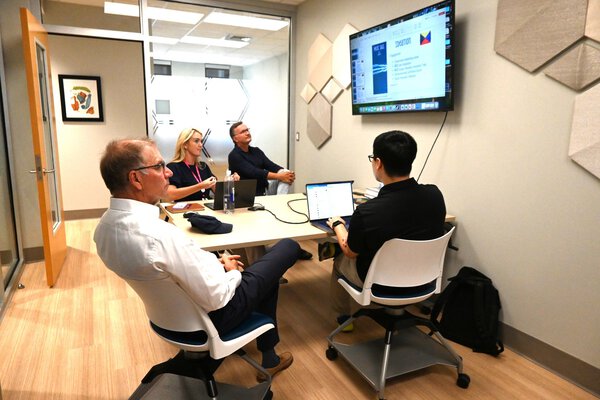
The Harvey and Marcia Schiller Surgical Innovation Center houses expertise in AI, HCD and Outcomes Research
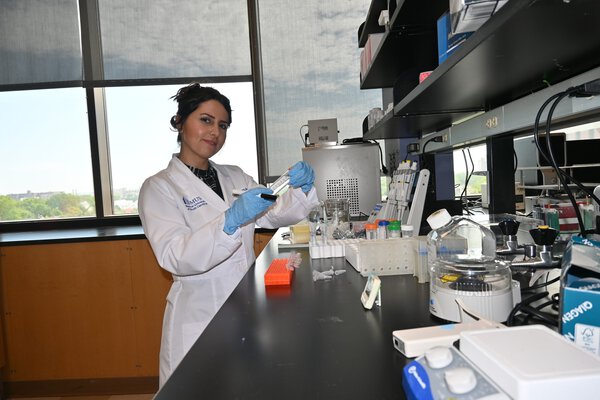
Learn more about the recent advances in basic, translational and outcomes research.