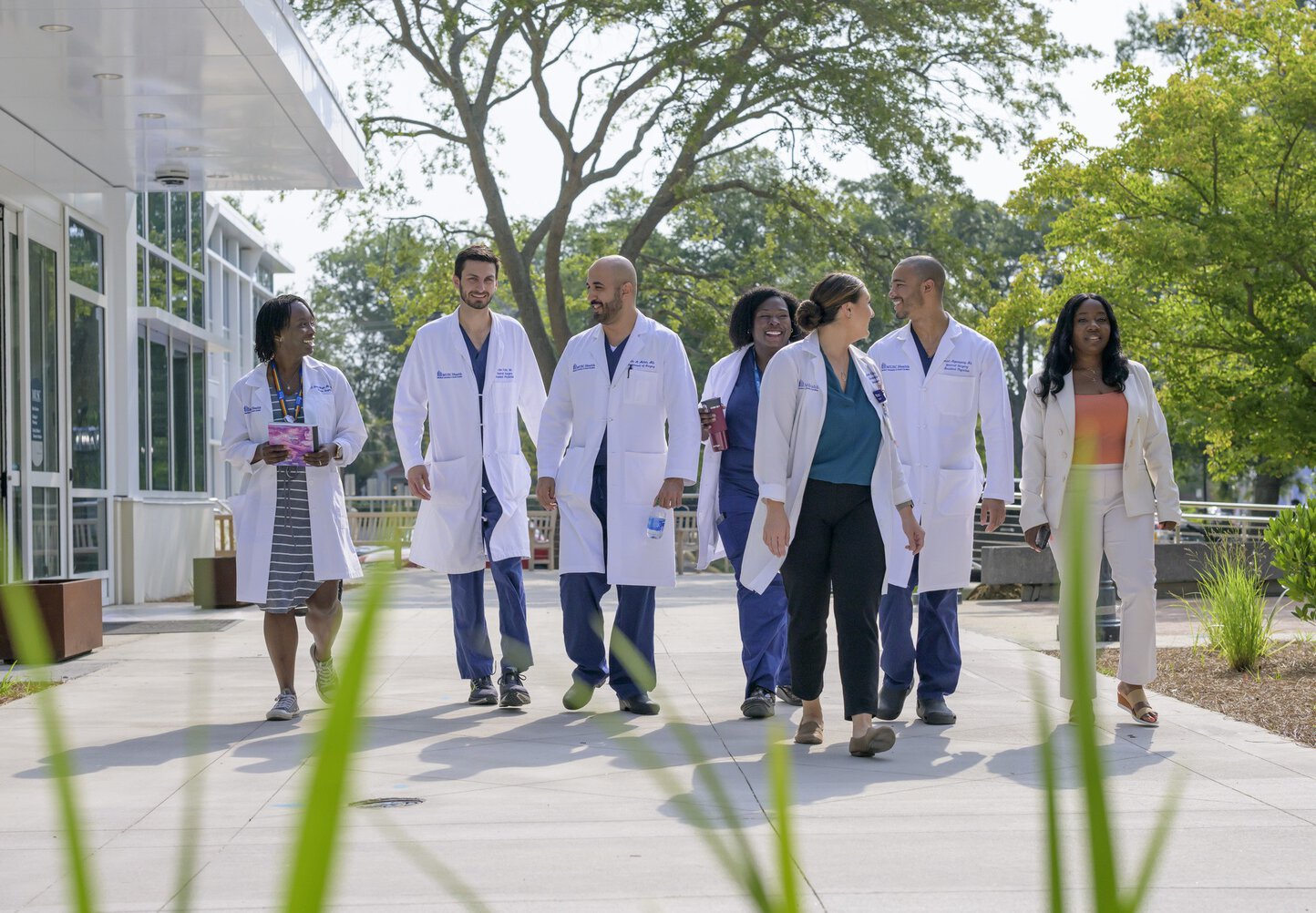
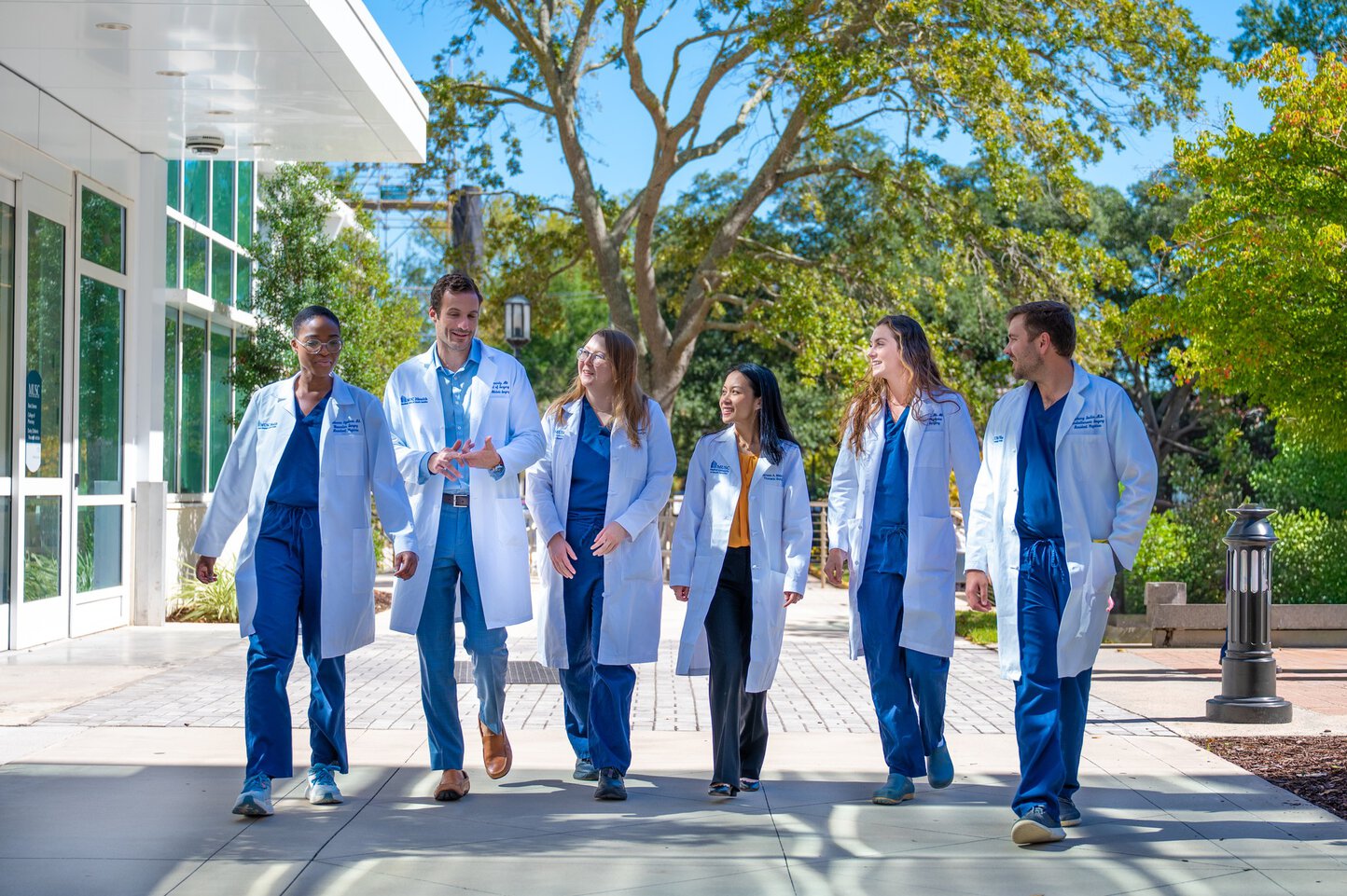
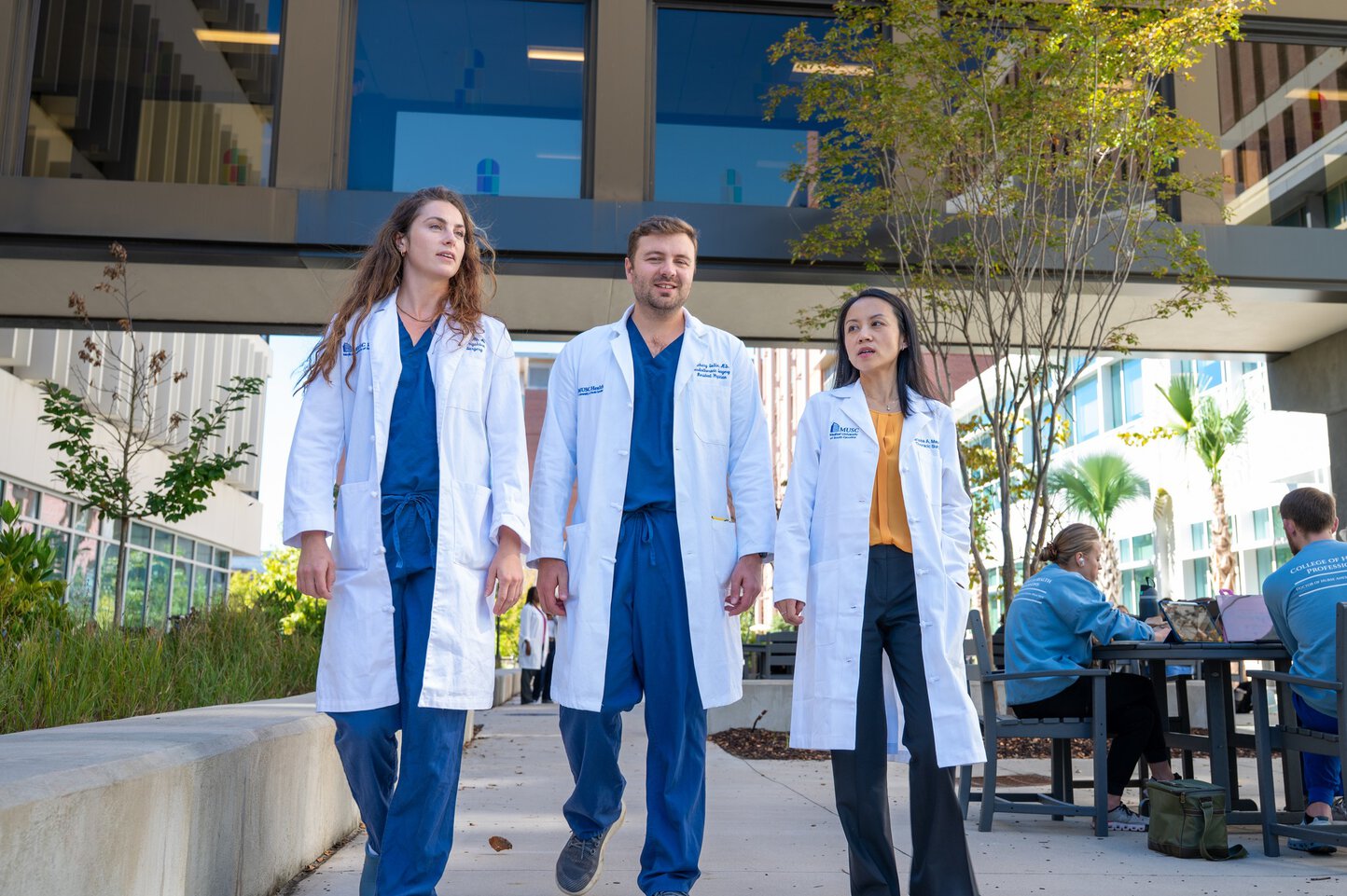
Education

Across our residency and fellowship programs, we are preparing our graduates to lead in every setting—from academic medicine to community practice.

Message of the Vice Chair

This year has been one of remarkable growth and continued excellence in surgical education. Across our residency and fellowship programs, we are expanding opportunities, elevating training experiences, and preparing our graduates to lead in every setting—from academic medicine to community practice.Our match results once again reflect the strength of our programs and the exceptional caliber of our trainees. We are immensely proud of our residents and fellows who are continuing their journeys in competitive fellowships and leadership positions across the country—and of those choosing to remain in

South Carolina to advance care within the MUSC Health system.Our training infrastructure continues to grow in alignment with MUSC’s OneMUSC strategic vision and its aspirational goal to be among the nation’s top 20 academic health systems within 20 years. We have expanded our community rotations to include MUSC Florence (July 2025) and MUSC Orangeburg (January 2026), providing residents with early exposure to community-based surgery within the Regional Health Network. These experiences strengthen our statewide impact and encourage our graduates to build their careers here in South Carolina.New program milestones this year include the addition of a Critical Care Fellow in the new Burn Track and the expansion of our Plastic Surgery Residency, which now welcomes two residents per year.

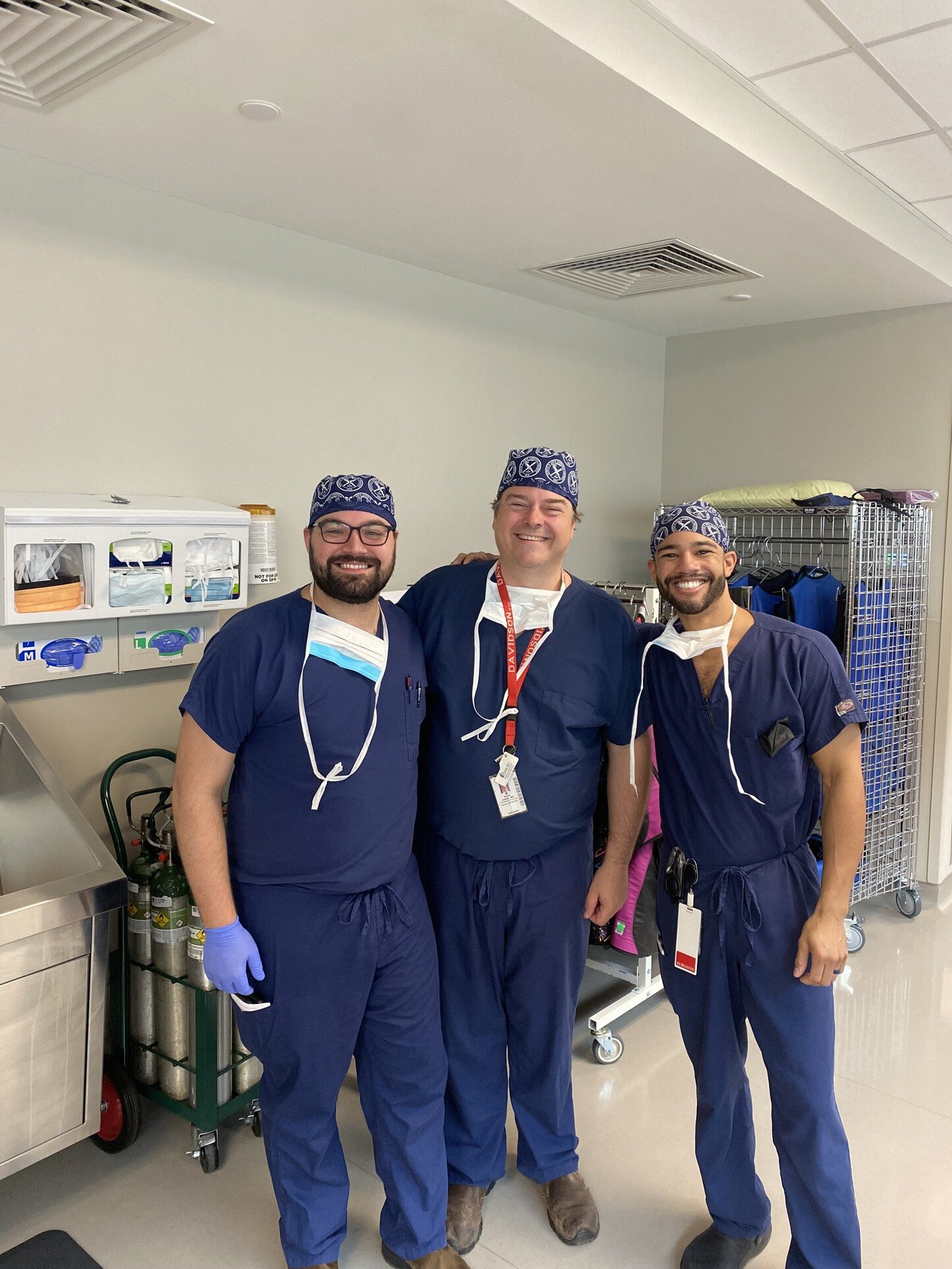
Each of these developments represents our commitment to innovation in education and to meeting the evolving surgical needs of our state.We were also proud to welcome back several of our own graduates, Dr. Walker Blanding (Cardiothoracic Surgery), Dr. Ryan King (Vascular Surgery), and Dr. Donna Mullner (Plastic Surgery), whose return reflects the enduring strength of our training environment.

Looking ahead, Dr. Andy Cole will rejoin us in 2026 after completing his fellowship, continuing a growing tradition of alumni returning to contribute to MUSC’s mission.Our collective progress—through new programs, visionary leadership, and a culture of mentorship—reflects the heart of who we are. We are not only training outstanding surgeons; we are building a future surgical workforce for South Carolina and beyond.

Chris Streck, M.D.

Growth and Innovation

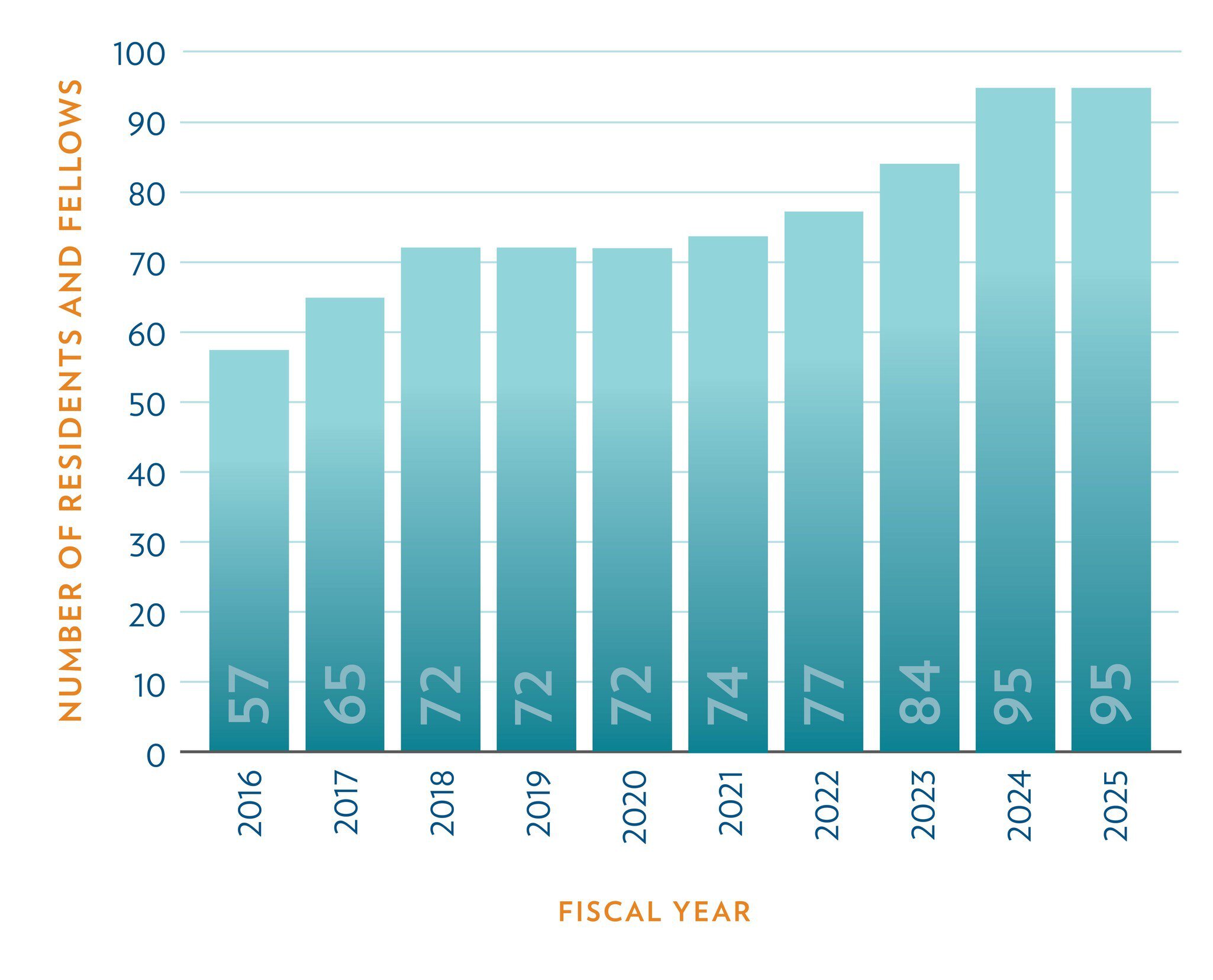
Department of Surgery Education Growth Chart from 2016 to 2025 showing a 67% increase.

Surgical Simulation Suite Elevates Resident Training

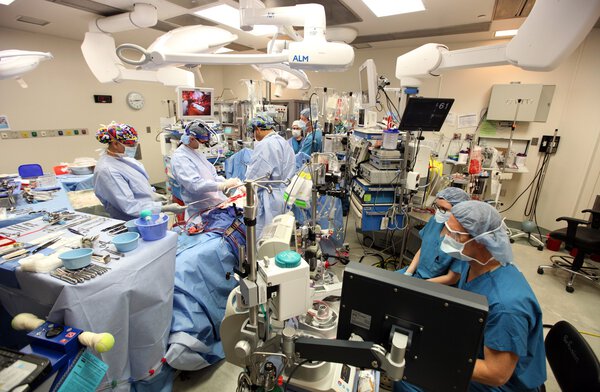
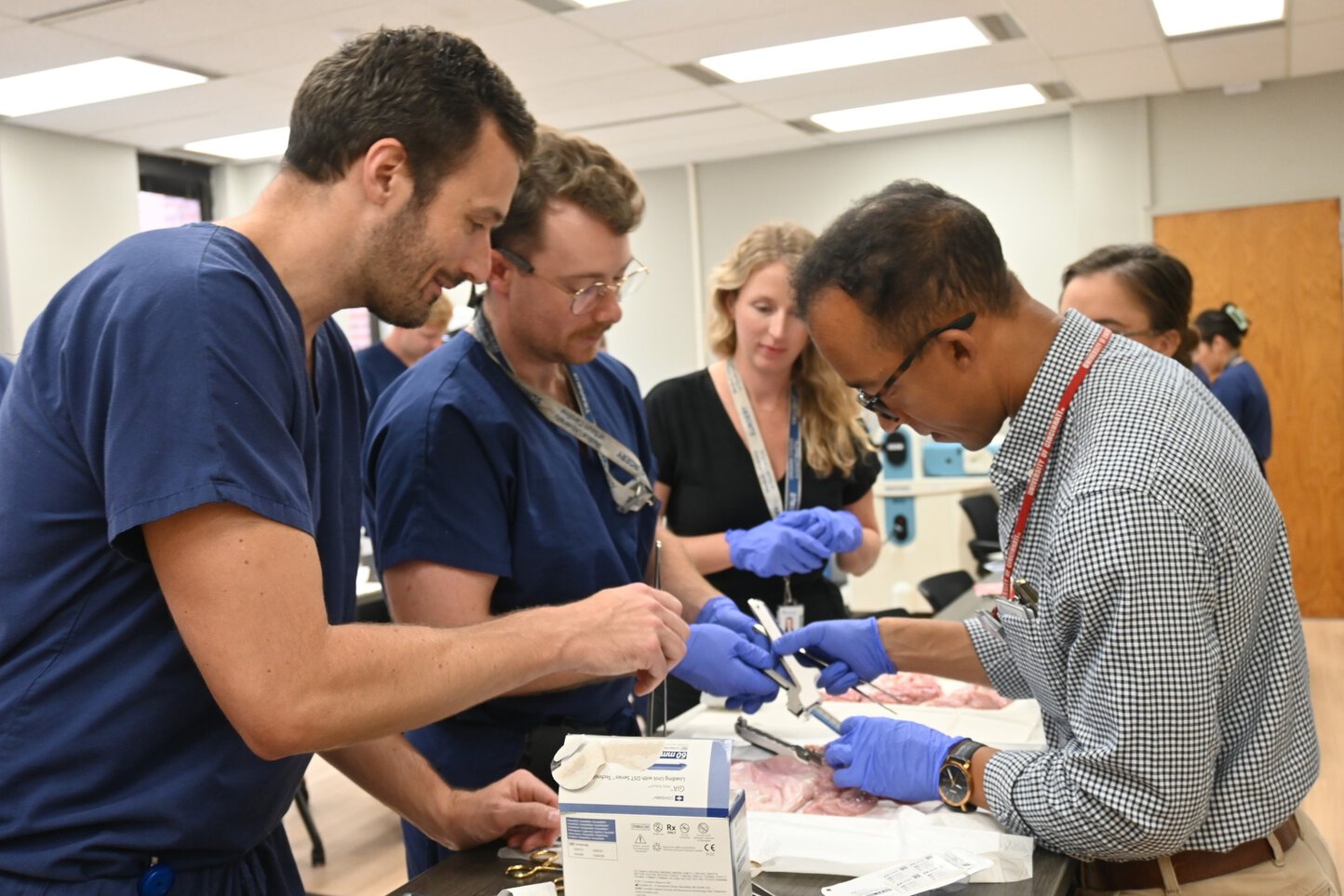
The Department of Surgery’s new Surgical Simulation Suite, located next to the resident workspace, features advanced trainers for laparoscopic, robotic, endoscopic,microscopic, and open surgery. It also houses an OR daVinci Simulator and serves as the SAGES FLS and FEStesting center, supporting both classroom and small-group learning.
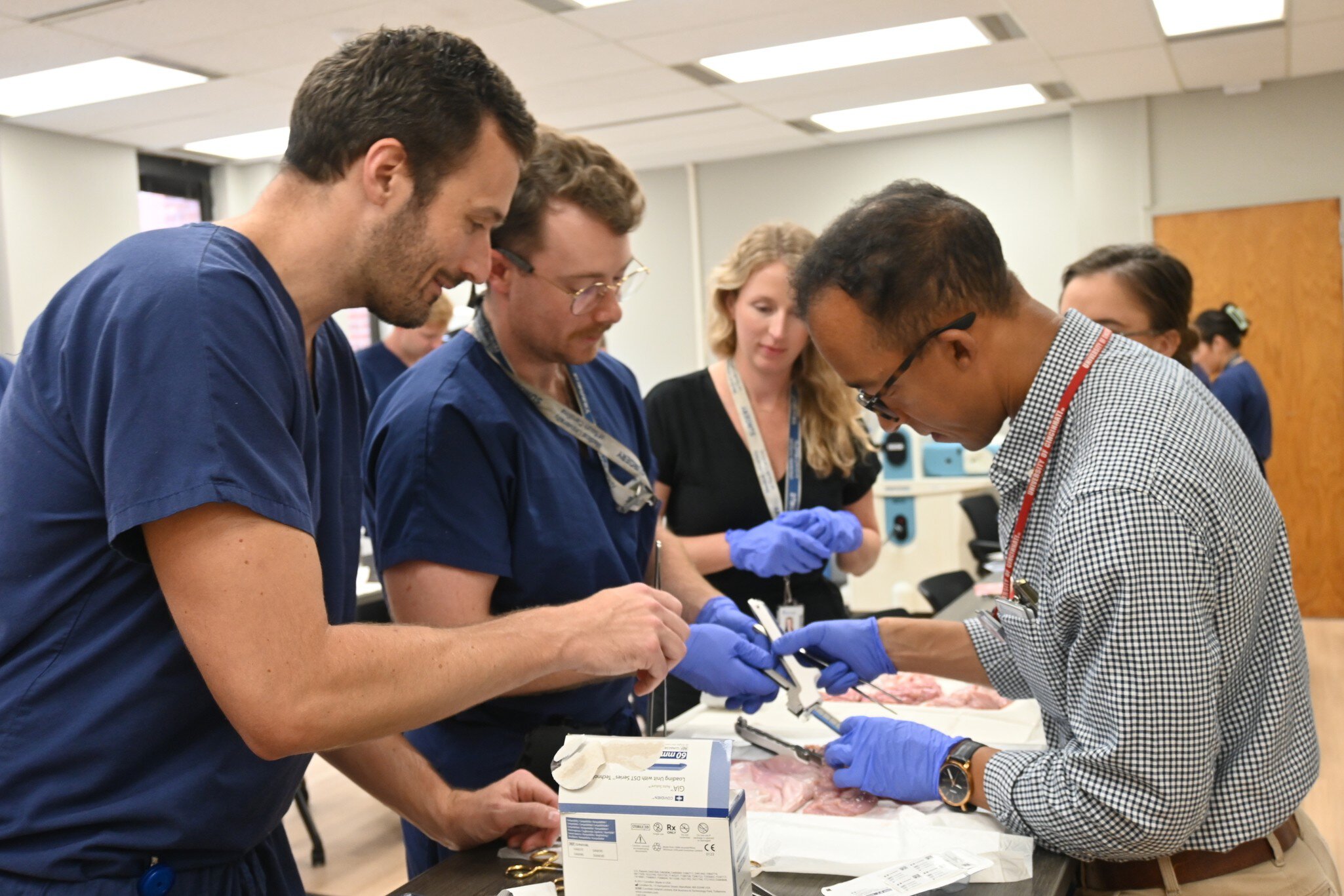
Douglas Cassidy, M.D., Director of Surgical Simulation for the MUSC General Surgery Residency Program, advocates for simulation-based learning to improve technical skills,communication, situational awareness, and team dynamics.“Simulation training enhances patient safety,” he notes. "The center’s 24/7 accessibility is a key feature. If it’s not accessible,it won’t be used. Residents work long hours, and having simulators in one location helps facilitate their training.”

Since its launch, the center has become integral to resident education. General surgery residents participate in weekly two-hour sessions—about 40 per academic year—beginning with the ACS and APDS standardized curriculum, covering core skills like tissue handling and suturing. Mid-level residents advance to laparoscopic and robotic procedures,while simulation-based interprofessional training strengthens teamwork in trauma and clinical trial scenarios. Other residency programs, including cardiothoracic and vascular surgery, also utilize the space.

Beyond scheduled sessions, residents often use the center during off-hours to practice independently or teach peers,promoting leadership, collaboration, and mastery of skills. Cassidy highlights the goal of proficiency in open,laparoscopic, and robotic surgery, ensuring residents are prepared for any clinical setting.

“The residents have access to models, instruments, and sutures at any time,” Cassidy notes. “They can refine their skills in a simulated setting so that when they perform procedures in the OR, it’s not the first time they’re doing them—they’re building on mastery.” By combining expert guidance, hands-on practice, and constant accessibility, MUSC’s Surgical Simulation Center is transforming surgical education, ensuring residents are well prepared,confident, and versatile for the future of surgery.


By The Numbers

2,618 resident applications received

1,887 general surgery, 143 vascular surgery, 330 plastic surgery, 167 cardiothoracic surgery

9 fellows
86 current interns & residents
4 ACGME-accredited surgical residency programs

Advancing Lifelong Learning and Leadership

Our Fundamentals of Surgical Leadership Program provides residents at every level with the tools to lead with confidence, integrity, and purpose. Interns began the year exploring topics such as clinical population health outcomes, financial planning, effective communication and documentation, and their evolving role as teachers. PGY-2 and PGY-3 residents have focused on life management, public health, professionalism, and collaborative peer mentorship—skills that strengthen both their clinical and operational effectiveness.

PGY-4 and PGY-5 focus on transition to practice, including how to identify a professional fit and negotiate for the position, understanding organizational integrity and professional excellence, and how AI mayimpact their practice.Our Surgical Pathways programs have also launched with great enthusiasm for some of our newer pathways. Current 2025-26 offerings include:

  • Surgical Scientist Pathway –Dirk van der Windt, M.D., Ph.D., Mary Kate Bryant, M.D.,MSCR, and Jean Marie Ruddy, M.D.
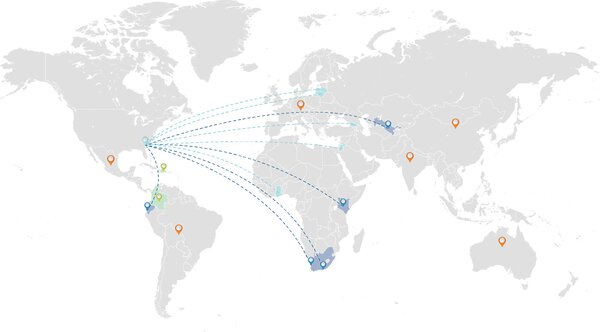
  • Global Surgery Pathway – Mike M. Mallah, M.D
  • Education Research Pathway – Douglas Cassidy, M.D., and Colleen Donahue, M.D.
  • Entrepreneurship Pathway (“The Startup of You”) – Joseph Scalea, M.D., BrittanyBankhead, M.D., and Aaron Cunningham, M.D.

These pathways are optional for all residents, designed to enrich their skill sets and preparethem for high-performance careers in academic surgery and clinical leadership..

2025 Highlights

The Department of Surgery recognizes our exceptional faculty and trainees for their outstanding educational achievements,patient care, and research during our annual awards ceremony. The department was honored to have Megan Baker, M.D.,as our guest lecturer. See all award winners

Surgery Research Recognition Day showcases the exceptional research work in which our residents, medical students and graduate students participate. It is also an opportunity to learn from world-class experts during the annual Eric R. Frykberg, M.D.Lecture. This year, Allan Kirk, M.D., the David C. Sabiston, Jr.Distinguished Professor of Surgery at Duke University School of Medicine, was the invited Eric R. Frykberg, M.D. Lecturer.

Chi-Chi Do-Nguyen, D.O. –Best Basic Science Presentation (includes clinical research, quality improvement)

Zach Sollie, M.D. – Best Health Services Presentation (includes basic science, translational)

Eric Klipsch, M.D. – Best Poster Presentation

Richard Shi, M.D. – Yarbrough Award

The Education Division hosts lectures delivered by nationally and internationally recognized experts in their respective fields.Distinguished Visiting Lecturers 

  • Gilbert R. Upchurch, Jr., M.D. – Edward M. Copeland IIIand Ann & Ira Horowitz Chair Professor of Vascular Surgery
  • Mitchell C. Posner, M.D. – Thomas D. Jones Distinguished Service Professor, Vice Chair of Cancer Services, University of Chicago Medicine
  • Shanda H. Blackmon, M.D., MPH – Executive Director of the Baylor Medicine Lung Institute and Olga Keith Weiss Endowed Professor of Medicine, Baylor College of Medicine
  • Herb Chen, M.D. – Chair, Department of Surgery, and Surgeon-in-Chief, University of Alabama at Birmingham (UAB) Health System
  • Allan Kirk, M.D. – David C. Sabiston Jr. Professor of Surgery, Duke University School of Medicine
  • Megan Baker, M.D. – Chief Operating Officer, Roper St.Francis Healthcare
  • Michael Maddaus, M.D. – Professor Emeritus of Surgery, University of Minnesota Medical School
  • Christina Bailey, M.D. – Professor of Surgery and Vice Chair of Education, Washington University School of Medicine in St. Louis
  • Joseph Bavaria, M.D. – Brooke Roberts–William M. Measey Professor of Surgery and Vice Chief of the Division of Cardiovascular Surgery, University of Pennsylvania
  • Keith D. Lillemoe, M.D. – Surgeon-in-Chief and Chief of the Department of Surgery, Massachusetts General Hospital; W.Gerald Austen Professor of Surgery, Harvard Medical School

The 2025 graduation dinner, hosted by Dr.Baliga and coordinated by the Department of Surgery’s Education Team,was a heartfelt celebration of achievement, resilience,and the enduring spirit of mentorship. The Graduation Ceremony was not just an end—it was a launchpad. Our 17 new graduates now step confidently into their futures, bolstered by years of dedication, the mentorship of faculty, and the unshakable support of loved ones. Learn more about the next steps in their careers.