Research

Over the past ten years, we have grown to incorporate novel aspects of investigation, thereby expanding how our studies can impact and elevate patient care. This growth has been driven in large part by strategic investments in our greatest internal resource—our faculty.

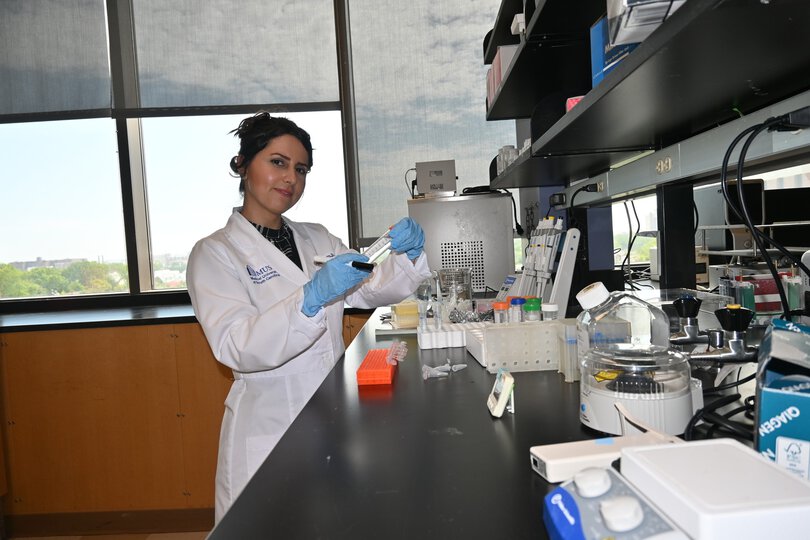
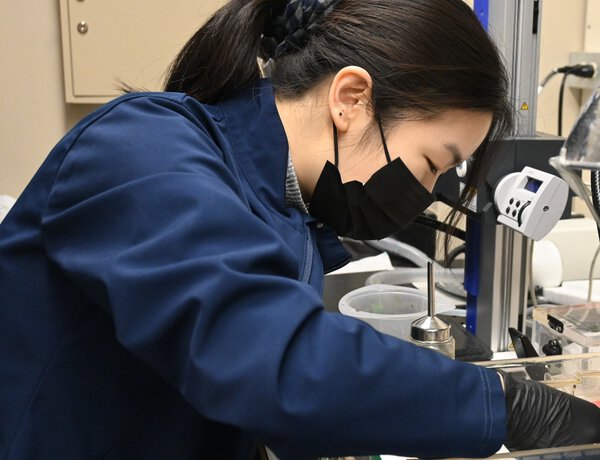
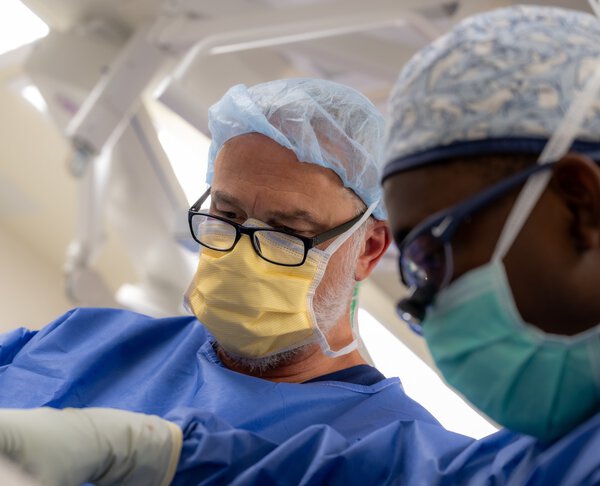
Dr. Sara Shoeibi working in Dr. Wang's lab

Message from the Vice Chair

This is an exciting time to do research in the MUSC Department of Surgery. Over the past ten years, we have grown to incorporate novel aspects of investigation, thereby expanding how our studies can impact and elevate patient care. Health services research has found a centralized home in SORIN, where providers can access the Harvey and Marcia Schiller Surgical Innovation Center’s expertise in human-centered design, implementation science, and clinical trial support. The basic science laboratories have sustained funding in a difficult climate, and the growth of the Clean Cell facility has accelerated opportunities in investigator-initiated clinical trials.

This growth has been driven in large part by strategic investments in our greatest internal resource—our faculty.

Additionally, over the past year the department has successfully recruited two Ph.D. investigators in high-impact fields and has finalized plans to centralize benign tissue and blood banking from our surgical patients.Our expanding faculty interest in research and in training the next generation of surgeon-scientists has also propelled the growth of Surgery Research Recognition Day, leading to another record year for abstract submissions in 2025.

We also launched the Kredel-Springs Research Symposium in the past year to provide another forum for celebrating resident research achievements. The interdependent growth of mentor-mentee research initiatives has also fostered development of 7-year training tracks among our residency programs.

From the moment they arrive at MUSC, these scientists-in-training engage in the Surgeon Scientist Pathway to acquire investigative skills and join a peer scientist community which has grown steadily since its inception in 2022. Among Ph.D. scientists trained by our surgical faculty, we are proud to recognize trainees who have chosen to obtain faculty positions within the department to advance translational investigations and the mission of our department.

Jean Marie Ruddy, M.D.  

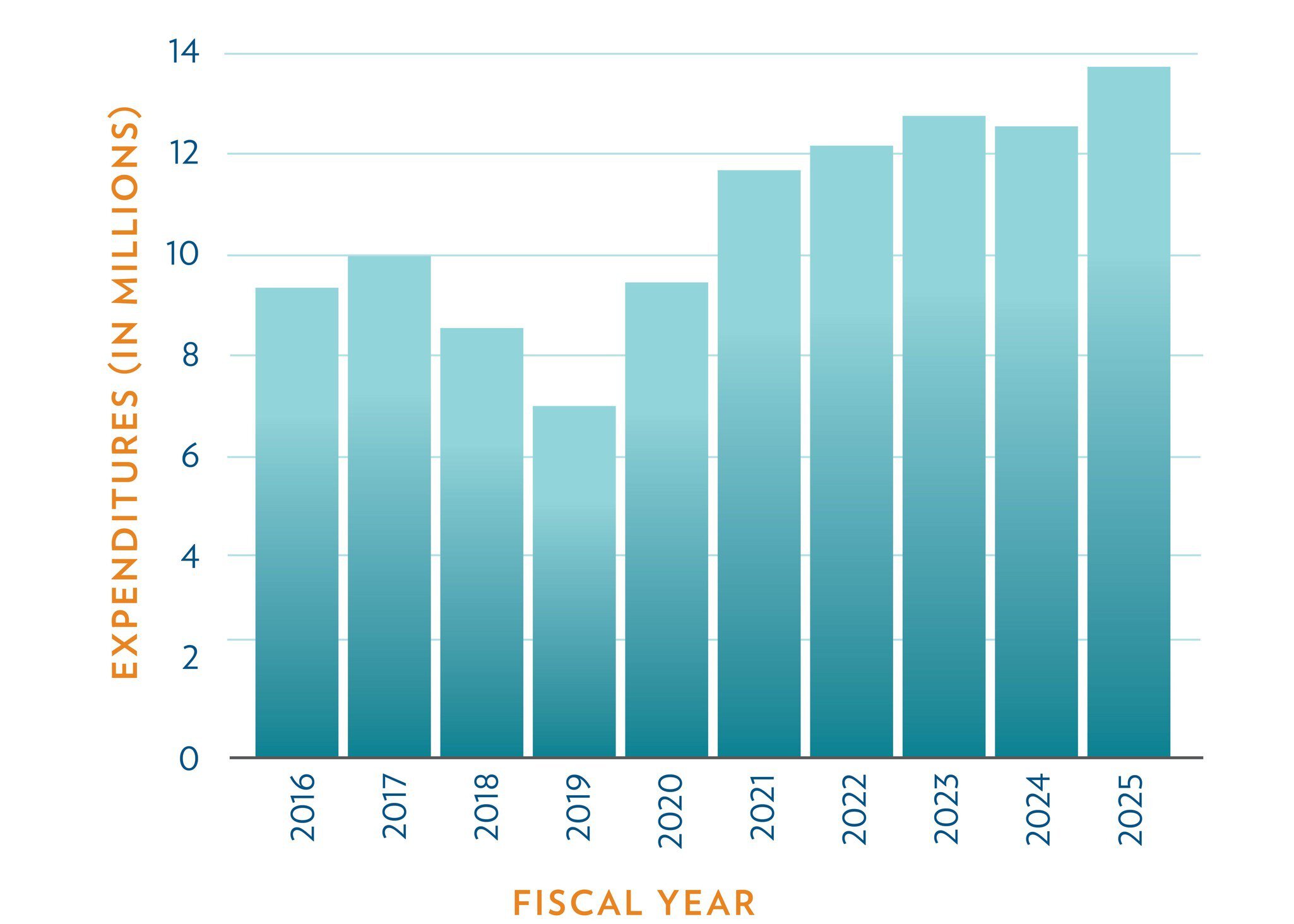
Ten Years of Growth: Research Expenditures

Department of Surgery Research Expenditures Ten Year Growth Chart

Research Updates

Expanding Capacity, Advancing Discovery

The MUSC Center for Cellular Therapy facility, currently housed in the MUSC Department of Surgery, will be joining the newly created Integrated Center for Cellular Therapy (ICCT), with the goal of becoming a leading program in the country. The cGMP facility will be expanded to six certified suites as part of this initiative. The facility’s treatment capacity will rise as a result of this expansion. The construction of a new on-campus facility at Cannon Place Park will be slated to open early 2027.

Our scientists are investigating cellular therapies for diseases with few or no available treatments.

  • A novel approach utilizing locally produced, enhanced chimeric antigen T-cell receptor (CAR-T) cell therapy to target specific B-cell non-Hodgkin lymphomas, offering improved efficacy at a reduced cost compared to standard treatments.
  • Islet cell auto transplantation procedure for patients with chronic pancreatitis is a specialized treatment only available at a limited number of medical centers in the United States.
  • The use of mesenchymal stromal cells (MSCs) in treating patients represents a promising novel intervention to many indications, including but not limited to, lupus, type 1 diabetes and pain.
  • An innovative clinical trial using MSCs that aims to reduce or eliminate the need for insulin in type 1 diabetes (T1D).


Gayathri Devi, Ph.D., MS joins MUSC in a dual role as Professor of Surgical Oncology and Vice Chair of Innovation in the Department of Surgery, and as Director for Scientific Program Integration at Hollings Cancer Center. Dr. Devi comes to MUSC from Duke University. Her research spans programmed cell death, functional genomics, and tumor immunology with a translational focus across oncology and surgical sciences. Dr. Devi is particularly interested in developing multi-scale disease models integrating cellular, spatial, and computational technologies and follows the guiding philosophy of the cyclical framework, ensuring that scientific innovation is grounded in patient and community needs.

Cassandra Clift, Ph.D. joins MUSC as an Assistant Professor of Vascular Surgery.Dr. Clift is a cardiovascular extra cellularmatrix biologist utilizing mass spectrometry techniques to evaluate cardiac valvular and vascular pathologies, therapeutic biomaterials,and engineered cardiovascular disease models. She received her Ph.D. in Biomedical Sciences at the Medical University of South Carolina in the Department of Cell and Molecular Pharmacology and Experimental Therapeutics and was a postdoctoral researcher at Harvard Medical School and Brigham and Women's Hospital.At MUSC, she will investigate the role of N-glycosylation in extracellular vesicle mediated signaling in EV-ECM and EV-cell interactions.

Shikhar Mehrotra, Ph.D., received two new prestigious NIH R01 NCI Awards totaling $5.8M.

Mehrotra was awarded $3M for his study Dissecting the Mechanism for Transient ER Stress-Induced Anti-Tumor T Cell Response. The study uses carbon monoxide (CO)-induced transient ER stress as an ex vivo immuno modulatory strategy to trigger mitochondrial reprogramming and attaining long-term tumor control upon adoptively transferring tumor reactive T cells.

The second study entitled Targeting S1P-ACC Axis to Overcome MDSC Suppression, was awarded $2.8M and aims to improve the anti-tumor T cell function and immunotherapy response by targeting immunosuppression mediated by myeloid-derived suppressor cells (MDSCs) through sphingosine kinase 2 and sphingosine 1-phosphate metabolism and signaling.

Mehrotra also received the Hollings Cancer Center Team Science Award, with CO-PIs Abirami Sivapiragasam, M.D., and Ozgur Sahin,Ph.D., for their research: Improving the treatment landscape of TNBC by biomarker-guided novel therapies.

Hongjun Wang, Ph.D., received a prestigious $1.5M NIH UH3 award, which provides the second phase of support for the innovative exploratory and development research she began under the NIH UG3 award for her STEMCAP-1 pain study for chronic pancreatitis patients to evaluate the safety and efficacy of an infusion of donor-derived mesenchymal stem cells to relieve chronic pain.Wang’s VA basic science grant was also renewed for another four years in FY25. The title of this BL R&D grant is"hAAT-engineered Mesenchymal Stem Cells for the Treatment of Chronic Pain.” The overall objective of this study further explores the mechanism of protection of a novel stem cell therapy in a pre-clinical rodent model of painful chronic pancreatitis in pain relief and inflammation reduction and explores their potential translation to human therapy.

Nancy DeMore, M.D., is PI on the MUSC Medical Scientist Training Program (MSTP) NIH T32 Award for $2.8M,which began on July 1, 2025. The major goal of the MSTP is to train the next generation of physician-scientists whowill choose a career that will integrate both the basic and clinical sciences to improve human health and treat diseases.

DeMore serves as PI on several Hollings Cancer Center awards in FY25. These include the Hollings Entrepreneurial Science Pilot Award for “Reprogramming the Tumor Microenvironment in TNBC: Synergistic Potential of IVT-8086 andTAM-Modulating Agents” ($50,000); the Hollings Cancer Center Shark Tank Award for “SFRP2 Serum Biomarker for Screening and Diagnosis of Breast Cancer” ($25,000); and a Hollings Clinical Trial titled “Phase 1A Window of Opportunity Trial of Cannabinoids for Breast Cancer Patients ($77,503)

Adam Tanious, M.D., serves as PI on several vascular dialysis access device projects. His current funding includes a grant from SCTR for the creation and distribution of a tool used during vascular access surgery. He has an Academic Matching Grant from the SCRA/Zucker Institute for Innovation and Commercialization of the product made by his company Anchor Medical — co-founded and co-created with one of the vascular chief residents, Ryan Gedney, M.D.Tanious has received three fellowship and residency grants from Medtronic, Inc., which has provided support for three residents to pursue dedicated research years in vascular surgery, with two of them being funded to pursue and receive a Master of Medical Sciences in Clinical and Translational Research.


 

By The Numbers

Over $13M research expenditures
35 federal award submissions
71 total award submissions