Categorical Pediatric Residency Training

Training Sites

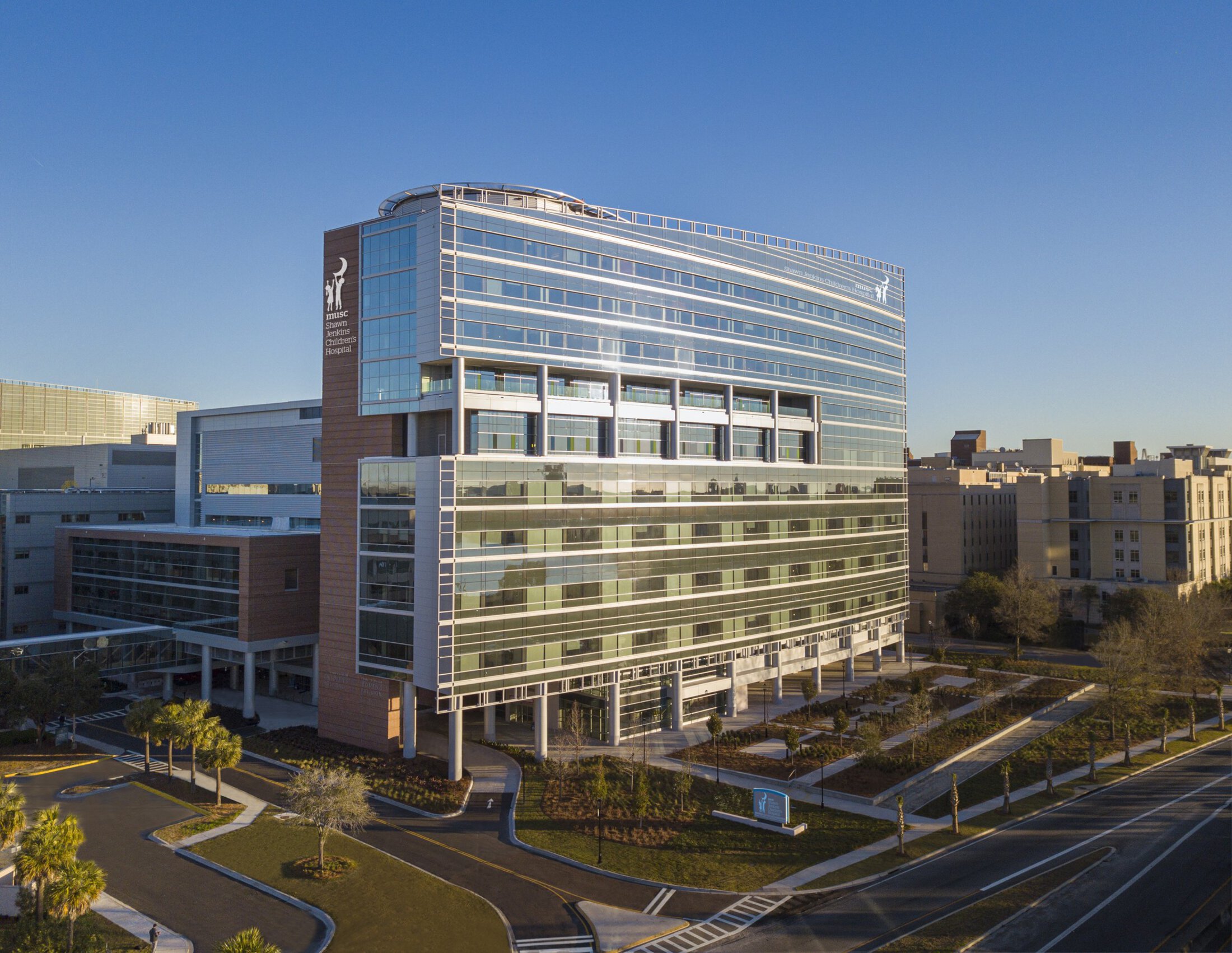
MUSC Shawn Jenkins Children's Hospital

MUSC Shawn Jenkins Children's Hospital is the only children's hospital in the area and the largest referral center in the state. We are made up of 27 pediatric subspecialties with faculty that staff a Top 10 nationally ranked pediatric heart program, as well as multiple other subspecialties ranking in the Top 50. Our large referral base benefits from state-of-the-art care provided in our 250-bed facility. In turn, our residents benefit from the cultural, economic, and medical variety of this unique patient group. With 100,000 annual clinic visits and nearly 8,000 in-patient admissions, we see the spectrum from well newborns to rare diseases that present a once in a lifetime learning opportunity.

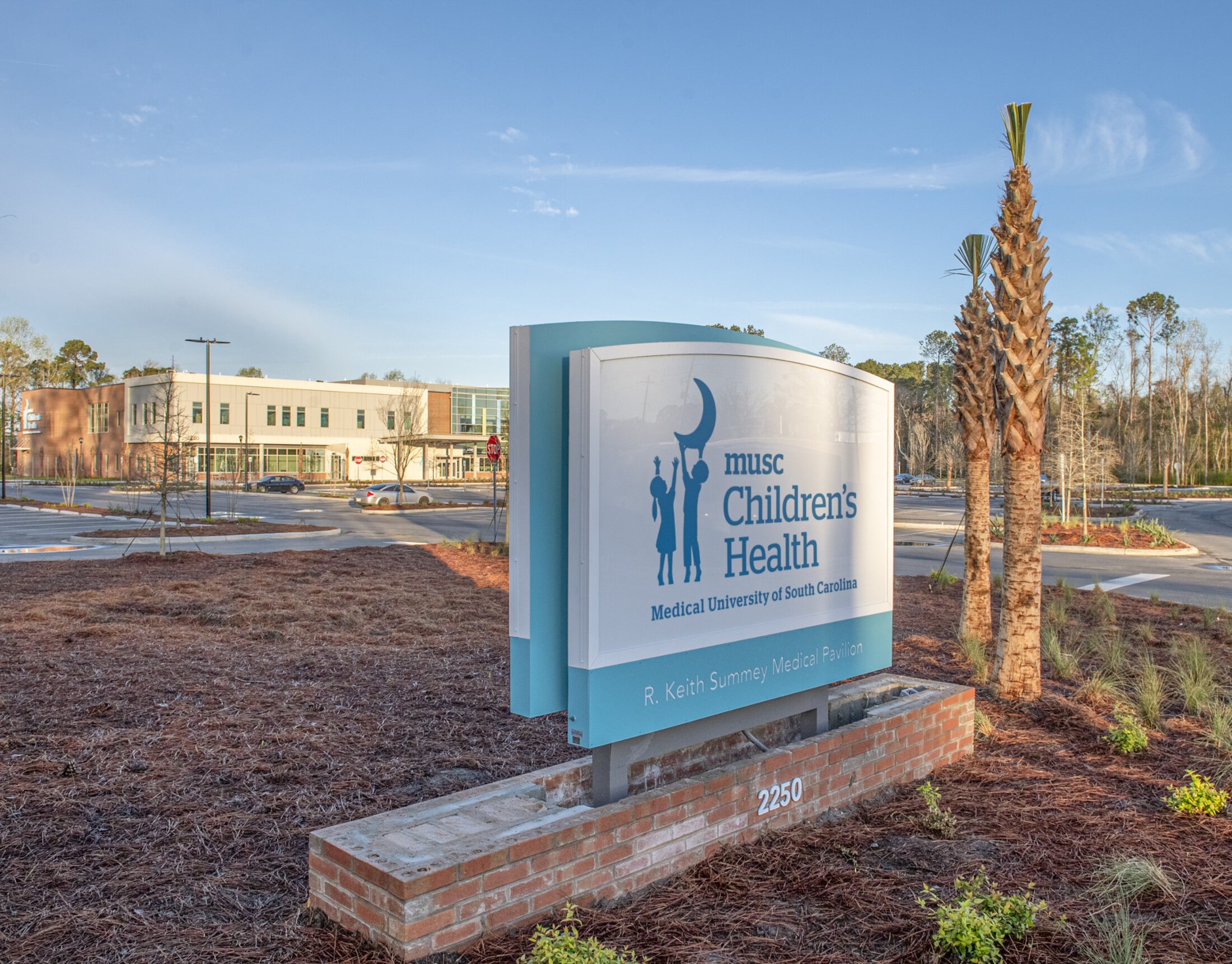
Summey Medical Pavilion

The Summey Pavilion at MUSC provides a comprehensive outpatient pediatric experience, housing more than 27 pediatric specialty clinics alongside a dedicated complex primary care clinic. Designed to support coordinated, family-centered care, the pavilion features on-site operating and procedure rooms, infusion services, imaging and ultrasound, audiology, and laboratory services, as well as a retail pharmacy for added convenience. Patients and families also benefit from after-hours care, multiple play areas, and access to child life specialists, creating a supportive and engaging environment for children of all ages. 


Curriculum

Even with over 80 years of experience training pediatricians, we continue to refine and optimize our clinical curriculum based on resident input. This is especially important in a world where the policies of residency governing bodies change frequently. Because of this continued pursuit of excellence, our graduates are more than prepared for careers in general practice or fellowship.

Our program uses an individualized curriculum approach, meaning that our residents have the ability to create electives such as research time, respiratory therapy, etc. to meet your professional goals. Individualized curriculum can be discussed with program leadership.

Schedule of Rotations

Our three-year categorical program is designed to build clinical excellence through progressive responsibility and diverse experiences. This year, we are excited to transition to a 4+2 X+Y schedule designed to promote a more predictable and sustainable residency experience. With dedicated inpatient and outpatient clinical time, protected education, and greater schedule predictability, our X+Y model prioritizes resident wellness, work-life integration, and an outstanding learning environment.

Pediatric Hospital Medicine
12 Weeks Days
2 Weeks Nights
Hematology-Oncology
4 Weeks
Cardiology
4 Weeks
Neonatal ICU
4 Weeks
Newborn Nursery
4 Weeks
Developmental Pediatrics
4 Weeks
Pediatric Emergency Medicine
4 Weeks
Pediatric Primary Care Clinic
4 Weeks
Gastroenterology
4 Weeks
Infectious Diseases
4 Weeks
Elective
2 Weeks


Pediatric Hospital Medicine
4 Weeks Days
2 Weeks Nights
Pediatric Hospital Medicine Admitting Role
2 Weeks
Pediatric ICU
8 Weeks
Neonatal ICU
4 Weeks
Newborn Nursery
2 Weeks
Hematology/Oncology & Newborn Nursery Nights
2 Weeks
Pediatric Emergency Medicine
4 Weeks
Adolescent Medicine
4 Weeks
Pulmonology
4 Weeks
Nephrology
4 Weeks
Elective
12 Weeks


Pediatric Hospital Medicine
6 Weeks Days
2 Weeks Nights 
Pediatric ICU
4 Weeks
Delivery Room/Resuscitation
2 Weeks
Hematology/Oncology & Newborn Nursery Nights
2 Weeks
Pediatric Emergency Medicine
6 Weeks
Pediatric Primary Care Clinic
4 Weeks
Mental Health
4 Weeks
Elective
22 Weeks

Required Rotations

The Adolescent Medicine rotation is a required four-week experience during the PGY-2 year that provides residents with a comprehensive foundation in the care of adolescents across a variety of clinical settings. Residents gain experience caring for teens in the Adolescent Medicine Clinic, a school-based health clinic at a nearby high school, and through an active inpatient consultation service.

In addition to hands-on clinical training, residents participate in dedicated didactic sessions that address key topics in adolescent health and support the learning objectives for pediatric residency training. Clinical experiences include caring for adolescents with substance use disorders through a specialized treatment program and working with patients in an intensive outpatient eating disorders program.

Residents interested in expanding their experience may also pursue elective opportunities in sports medicine, private practice adolescent medicine, or eating disorder group therapy sessions, allowing them to tailor the rotation to their individual interests and career goals.

The Pediatric Cardiology rotation is a required four-week experience during the PGY-1 year, providing residents with broad exposure to the diagnosis and management of congenital and acquired heart disease in children. Our nationally recognized Pediatric Heart Program brings together pediatric cardiologists and cardiothoracic surgeons in a highly collaborative environment, caring for patients with a wide range of complex cardiac conditions.

Each year, the program performs more than 400 major cardiac operations and over 600 cardiac catheterization procedures. Critically ill patients receive care in the Pediatric Cardiac Intensive Care Unit (PCICU), while residents manage inpatient cardiology patients on the cardiac step-down unit, gaining experience in the perioperative care of children with congenital heart disease.

Residents interested in further training may choose a cardiology elective, with opportunities to work in outpatient cardiology clinics, participate in inpatient consultation services, and rotate through the PCICU for additional exposure to advanced cardiac care. Our Pediatric Heart Program is consistently recognized among the nation's best by U.S. News & World Report, providing residents with exceptional clinical training alongside leaders in pediatric cardiovascular medicine.

For residents interested in pursuing additional training, fellowship opportunities in Pediatric Cardiology are available at MUSC.

The Pediatric Critical Care rotation includes two four-week rotations during the PGY-2 year and one four-week rotation during the PGY-3 year, providing residents with comprehensive training in the management of critically ill infants, children, and adolescents. Residents care for patients with a broad range of medical, surgical, trauma, burn, and postoperative conditions in our 28-bed mixed-acuity Pediatric Intensive Care Unit (PICU), which also provides intermediate-level care.

Working alongside an experienced multidisciplinary team, residents gain hands-on experience with advanced life-sustaining therapies, including continuous renal replacement therapy (CRRT), high-frequency oscillatory ventilation (HFOV), and extracorporeal membrane oxygenation (ECMO). As the region's primary pediatric burn center, the PICU also offers unique exposure to the care of critically ill pediatric burn patients.

In addition to bedside patient care, residents participate in the regional transport system by listening to and engaging in interfacility transport coordination through phone consultations and telemedicine, providing valuable insight into the stabilization and transfer of critically ill children from across the state.

For residents interested in pursuing additional training, fellowship opportunities in Pediatric Critical Care are available at MUSC.

The Developmental-Behavioral Pediatrics rotation is a required four-week experience during the PGY-1 year, providing residents with comprehensive training in the evaluation and management of children with developmental, behavioral, and learning differences. Residents learn to distinguish typical from atypical development by integrating clinical observations, patient history, and the use of standardized developmental screening and assessment tools.

In the outpatient setting, residents care for children with a wide range of concerns, including attention-deficit/hyperactivity disorder (ADHD), autism spectrum disorder, developmental delay, learning disabilities, intellectual disability, anxiety, cerebral palsy, and common behavioral challenges such as temper tantrums and toileting difficulties.

Residents also have the opportunity to work with specialized patient populations through multidisciplinary clinics, including Spina Bifida, NICU Graduate Follow-Up, International Adoption, Cardiac Neurodevelopment, and Down Syndrome clinics. These experiences emphasize a collaborative, team-based approach to caring for children with complex developmental and behavioral needs.

For residents interested in pursuing additional training, fellowship opportunities in Developmental-Behavioral Pediatrics are available at MUSC.

The Pediatric Emergency Medicine rotation includes one four-week rotation during both the PGY-1 and PGY-2 years, followed by a six-week experience during the PGY-3 year, providing residents with extensive experience evaluating and managing acutely ill and injured infants, children, and adolescents in a high-volume, tertiary care setting. As a Level I Trauma Center, the MUSC Pediatric Emergency Department cares for more than 25,000 patients annually and serves as both the primary pediatric emergency department for the Charleston community and a regional referral center for complex pediatric cases.

Residents gain experience caring for a broad spectrum of conditions, from common pediatric illnesses and injuries to critically ill patients requiring specialized care. As the first-line provider for patient encounters, residents develop the clinical skills, confidence, and decision-making abilities needed to excel in pediatric emergency medicine.

With 24/7 attending physician coverage and dedicated Pediatric Emergency Medicine fellows, residents receive continuous supervision, teaching, and mentorship. The educational experience is further enhanced through a resident-led teaching project, mock code simulations, point-of-care ultrasound training, and a comprehensive ultrasound curriculum, providing multiple opportunities to strengthen procedural skills and clinical reasoning.

For residents interested in pursuing additional training, fellowship opportunities in Pediatric Emergency Medicine are available at MUSC.

The Pediatric Gastroenterology, Hepatology & Nutrition rotation is a required four-week experience during the PGY-1 year, providing residents with comprehensive exposure to the evaluation and management of pediatric digestive, liver, and nutritional disorders. Residents participate in both inpatient consultations and outpatient clinics, caring for children with a wide range of conditions, from common gastrointestinal complaints to complex chronic diseases.

Clinical experiences include specialized clinics in Hepatology, Feeding Disorders, NICU Nutrition Follow-Up, Liver Transplant, and Inflammatory Bowel Disease (IBD), providing residents with exposure to multidisciplinary care across a variety of patient populations. Residents also have opportunities to observe and learn about diagnostic and therapeutic endoscopic procedures performed by pediatric gastroenterologists.

This rotation is particularly valuable for residents pursuing general pediatrics, as it offers practical experience managing common conditions such as constipation, gastroesophageal reflux, functional abdominal pain, poor growth, vomiting, and diarrhea. The rotation can be tailored to each resident's individual learning goals and includes participation in the Pediatric Gastroenterology fellows' educational conferences.

For residents interested in pursuing additional training, fellowship opportunities in Pediatric Gastroenterology are available at MUSC.

The Hematology & Oncology rotation includes one four-week inpatient rotation during the PGY-1 year, followed by a two-week inpatient night rotation during the PGY-2 & 3 year, providing residents with comprehensive experience in the evaluation and management of children with benign hematologic disorders, bleeding and clotting disorders, and pediatric cancers. Working alongside a multidisciplinary team, residents care for hospitalized patients through consultations, ongoing management, and longitudinal follow-up, gaining exposure to both common and complex pediatric hematologic and oncologic conditions.

As part of the multidisciplinary care team, residents also gain experience caring for pediatric patients undergoing hematopoietic stem cell transplantation in collaboration with the adult transplant program and benefit from the resources and expertise of the MUSC Hollings Cancer Center. Close collaboration with the Departments of Pathology and Laboratory Medicine further enhances residents' understanding of diagnostic evaluation and disease management.

Throughout the rotation, residents receive individualized bedside teaching, informal didactic instruction, and mentorship from faculty and fellows. By the end of the rotation, residents are well prepared to evaluate common hematologic conditions, recognize and manage pediatric malignancies, and develop the technical, clinical, and communication skills needed to provide compassionate, family-centered care.

For residents interested in pursuing additional training, fellowship opportunities in Pediatric Hematology & Oncology are available at MUSC.

The Pediatric Hospital Medicine rotation provides residents with comprehensive experience caring for hospitalized infants, children, and adolescents at the MUSC Shawn Jenkins Children's Hospital. During this required rotation, residents manage a diverse patient population with both common pediatric illnesses and complex medical conditions referred from across South Carolina. As the state's premier tertiary care children's hospital, MUSC offers broad exposure to acute and chronic diagnoses, preparing residents for any pediatric practice setting.

Residents rotate on one of three resident-led Pediatric Hospital Medicine teams, serving as the primary providers for their patients while working closely with dedicated Pediatric Hospital Medicine faculty. Daily bedside teaching, supervision, and mentorship are provided by attending physicians who are actively involved in patient care and resident education. Each team typically includes an upper-level resident, interns, medical students, and pediatric pharmacy learners, creating a collaborative, multidisciplinary learning environment. An additional attending-led team provides consultation services, rehabilitation care, and supports the resident teams during periods of high patient volume.

The rotation emphasizes clinical decision-making, patient-centered care, interdisciplinary teamwork, and effective communication with patients and families. Because all inpatient pediatric training takes place within the Shawn Jenkins Children's Hospital, residents benefit from a cohesive educational experience without the need to rotate through affiliated hospitals.

For residents interested in pursuing careers in hospital medicine, fellowship training in Pediatric Hospital Medicine is available at MUSC.

The Pediatric Infectious Diseases rotation is a required four-week experience during the PGY-1 year, providing residents with comprehensive training in the evaluation and management of a broad spectrum of infectious diseases in infants, children, and adolescents. Residents care for patients with common pediatric infections as well as rare, severe, and medically complex conditions referred from across South Carolina, offering exposure to a diverse range of clinical presentations.

During the rotation, residents participate in both inpatient and outpatient consultations, working closely with Pediatric Infectious Diseases faculty to develop diagnostic reasoning and evidence-based treatment plans. Clinical experiences are complemented by case-based discussions, topic-focused teaching sessions, and individualized bedside instruction designed to strengthen residents' knowledge of pediatric infectious diseases. Residents with an interest in academic medicine or infectious diseases are encouraged to participate in ongoing clinical research projects and scholarly activities during the rotation.

For residents interested in pursuing additional training, fellowship opportunities in Pediatric Infectious Diseases are available at MUSC.

During their PGY-3 year, residents complete a four-week Child & Adolescent Psychiatry rotation designed to strengthen their ability to recognize, evaluate, and support children and adolescents with behavioral and mental health conditions. Working alongside child and adolescent psychiatrists and a multidisciplinary behavioral health team, residents gain valuable experience caring for patients with a wide range of psychiatric disorders while developing skills that are increasingly essential in pediatric practice.

Residents participate in a variety of clinical settings, gaining exposure to comprehensive mental health services for children, adolescents, and their families. Clinical experiences may include outpatient evaluation and treatment, consultation services, and other specialized behavioral health programs, allowing residents to appreciate the continuum of pediatric mental health care. Throughout the rotation, residents learn evidence-based approaches to screening, diagnosis, initial management, crisis assessment, and collaboration with behavioral health specialists.

The rotation emphasizes multidisciplinary, family-centered care and effective communication with patients, families, and community partners. By the end of the experience, residents are better equipped to identify common pediatric mental health concerns, initiate appropriate treatment and referrals, and confidently integrate behavioral health into everyday pediatric practice.

The Neonatal-Perinatal Pediatrics rotation provides residents with comprehensive experience caring for critically ill and premature newborns in MUSC's 88-bed, private-room Level IV Neonatal Intensive Care Unit (NICU). Residents complete one four-week rotation during their PGY-1 year and an additional four-week rotation during their PGY-2 year, allowing for progressive development of neonatal knowledge, clinical skills, and independence. As the state's highest level of neonatal care, the NICU offers access to all pediatric surgical subspecialties, extracorporeal membrane oxygenation (ECMO), and advanced therapies for the most medically complex infants.

Residents participate in all aspects of neonatal care, managing a broad spectrum of conditions ranging from common neonatal illnesses to complex surgical and critical care patients. Through active participation in delivery room attendance, residents develop essential neonatal resuscitation and stabilization skills while working alongside neonatologists and a multidisciplinary care team.

Residents seeking additional neonatal experience may choose a NICU elective focused on procedural skills, advanced delivery room management, and the care of critically ill newborns. The unit also features state-of-the-art couplet care rooms, allowing postpartum mothers and their infants requiring NICU care to remain together whenever possible and supporting a family-centered approach to neonatal care.

For residents interested in pursuing additional training, fellowship opportunities in Neonatal-Perinatal Medicine are available at MUSC.

The Pediatric Nephrology rotation provides PGY-2 residents with a comprehensive four-week experience caring for children with a wide range of kidney and urinary tract disorders. As a national leader in clinical care and research, the MUSC Pediatric Nephrology Division provides statewide tertiary care for children with complex renal conditions, including kidney transplantation, glomerular disease, chronic kidney disease, hypertension, and critical care nephrology.

During the rotation, residents gain experience across both inpatient and outpatient settings, caring for patients with conditions ranging from common renal disorders to medically complex patients requiring advanced therapies. The inpatient experience includes exposure to renal transplant recipients, end-stage kidney disease, glomerular disease, and critically ill patients throughout the hospital, with opportunities to observe procedures such as renal biopsies. MUSC is the only center in South Carolina performing pediatric renal transplants, providing residents with unique exposure to transplant medicine and longitudinal kidney care.

Residents also participate in a robust outpatient nephrology experience, evaluating patients with a variety of renal and urologic conditions, including hematuria, proteinuria, chronic kidney disease, nephrolithiasis, and hypertension. Additional opportunities include participation in multidisciplinary clinics with pediatric transplant, rheumatology, and cardiology teams. The rotation can be tailored to residents’ individual learning goals and includes opportunities to explore current literature and participate in clinical research.

For residents interested in pursuing additional training, fellowship opportunities in Pediatric Nephrology are available at MUSC.

The Newborn Nursery rotation provides residents with comprehensive experience caring for healthy, term newborns during the transition from birth to early infancy. Residents complete one required four-week rotation during their PGY-1 year, followed by a two-week night experience during both the PGY-2 and PGY-3 years, allowing for continued development of newborn assessment, management, and preventive care skills throughout training.

The Level I Newborn Nursery is a collaborative learning environment staffed by pediatric and family medicine residents, with newborn care primarily supervised by MUSC General Pediatrics faculty. Residents gain experience performing routine newborn evaluations, developing feeding and discharge plans, and identifying common newborn conditions while partnering with families during this important transition period.

Residents also have the opportunity to attend low-risk deliveries, strengthening their skills in newborn stabilization and initial assessment. Those interested may participate in circumcision training and become certified in performing this procedure. Through this longitudinal experience, residents develop a strong foundation in newborn care that supports both inpatient and primary care pediatric practice.

Learn more about our Continuity Clinic experience.

The Pediatric Pulmonology rotation provides PGY-2 residents with a comprehensive four-week experience caring for children with a broad spectrum of respiratory conditions in both inpatient and outpatient settings. The MUSC Pediatric Pulmonology Division is dedicated to providing innovative clinical care, education, and research opportunities while caring for children with both common and complex respiratory disorders.

During the rotation, residents work alongside pediatric pulmonology faculty through outpatient clinics and the inpatient consult service, gaining experience managing patients with conditions including asthma, cystic fibrosis, bronchopulmonary dysplasia, congenital lung abnormalities, respiratory infections, sleep disorders, chronic respiratory failure, and neuromuscular respiratory disease. Division faculty collaborate closely with the general pediatrics team, providing daily bedside teaching and opportunities for residents to participate in the care of medically complex patients, including those requiring tracheostomy and home ventilation.

Residents have the opportunity to attend specialty clinics, including the cystic fibrosis clinic, and gain exposure to respiratory therapy, pulmonary function testing, sleep studies, and other diagnostic modalities. The rotation also provides opportunities to learn about the indications and interpretation of advanced pulmonary evaluations, including flexible bronchoscopy and exercise testing. With a flexible structure tailored to individual learning goals, residents can focus on areas that align with their clinical interests and career aspirations while developing a strong foundation in pediatric respiratory care.

MUSC Pediatric Residents have dedicated elective time throughout all three years of training, with the greatest opportunity for individualized experiences during the PGY-3 year. With 29 pediatric subspecialties represented at MUSC Children’s Hospital, residents have access to a wide variety of elective opportunities, most of which are available as two- to four-week experiences.

Electives allow residents to tailor their training to their individual interests, career goals, and professional development needs. Under the guidance of their mentors and program leadership, residents may design a customized curriculum that incorporates inpatient experiences, outpatient clinics, procedural opportunities, or a combination of settings. This flexibility allows residents to explore areas of interest, build expertise, and personalize their residency experience.

Explore Pediatric Subspecialty Services

Pediatric Simulation Curriculum

Established in the 2008–2009 academic year, our Pediatric Simulation Curriculum is a cornerstone of resident education. The program provides hands-on training with high-fidelity mannequins and task trainers that replicate real clinical scenarios, including vital sign monitoring, chest compression feedback, and procedural practice.

Residents participate in simulation sessions numerous times per year in small-group settings, with additional opportunities for independent practice. The curriculum includes dedicated time to develop ACGME-required procedural skills, as well as participation in mock codes and neonatal and pediatric resuscitations, within the Children’s Hospital.

In addition to honing their own skills, residents also have the opportunity to teach and mentor medical students during simulation sessions, reinforcing their role as educators.